Cracked Fingers in Winter: Why the Skin Splits and How to Heal It at Home

When the first frosts arrive, many people notice the skin on their fingers getting rough and then starting to split: around the nails, on the knuckles, at the fingertips. These cracks are small but very painful: they sting in water, catch on clothing and take a long time to heal, because we use our hands all the time.
Here we explain why cracked fingers appear in winter, how to help the skin heal at home and what to do to keep the cracks from coming back.
Why does the skin on your fingers crack in winter?
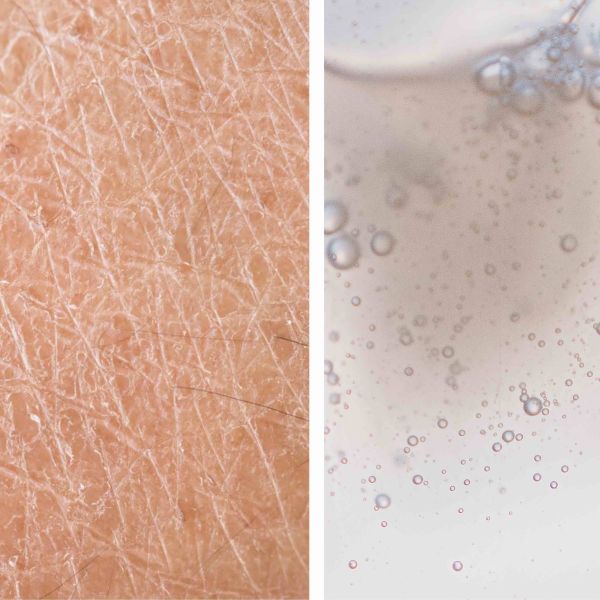
The skin on your fingers cracks in winter because of dryness: cold, central heating and frequent hand washing strip away moisture faster than the skin can restore it. On top of that, the skin on your hands is thinner than on many other parts of the body. The palms have no sebaceous glands at all, and the backs of the hands have only a few. That's why hands are the first to lose moisture and elasticity. When dry skin is constantly bending and stretching, cracks form.
In winter, several factors affect your hands at once:
-
Cold and wind. In the cold, blood vessels narrow and the skin gets less nourishment. Cold air holds little moisture, and wind makes moisture evaporate from the skin even faster.
-
Central heating. Indoor air becomes dry, so the skin keeps losing water even at home.
-
Sudden temperature changes. Frost outside, then hot water or a warm radiator at home. These changes weaken the skin's protective barrier.
-
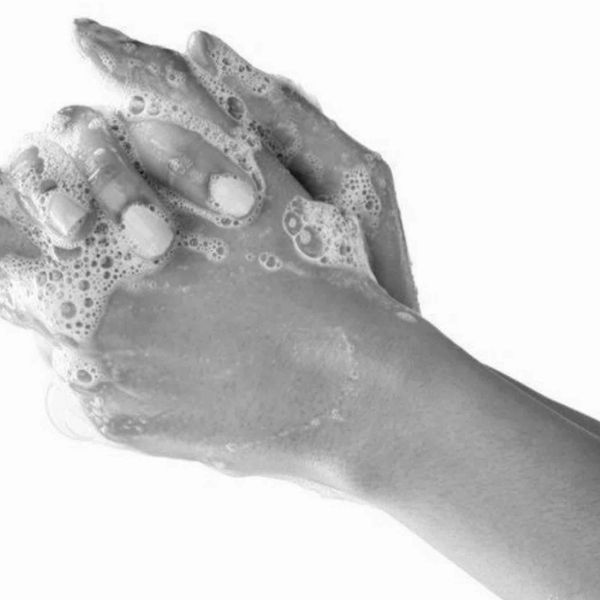
Frequent hand washing. Water and soap wash away the lipids that hold in moisture. This is especially noticeable with harsh soap and hot water.
- Household cleaners. Dishwashing liquids and cleaning products dissolve the skin's lipids even more than soap does.
Cracks most often appear around the nails, at the fingertips and on the knuckles. These are the areas that move the most and come into contact with water most often.
How can you heal cracked fingers at home?
Small cracks on your fingers caused by dryness usually heal within a few days if you wash your hands in warm water, apply hand cream after every wash and avoid injuring the skin again.
- Wash your hands in warm, not hot, water. Hot water strips lipids faster and makes the stinging worse.
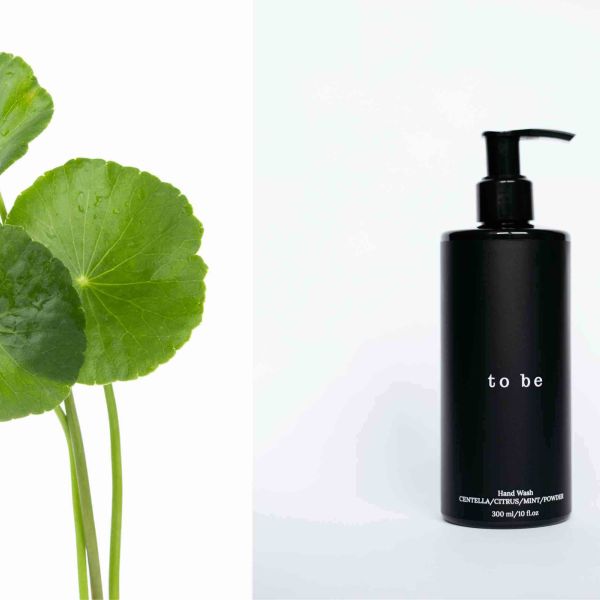
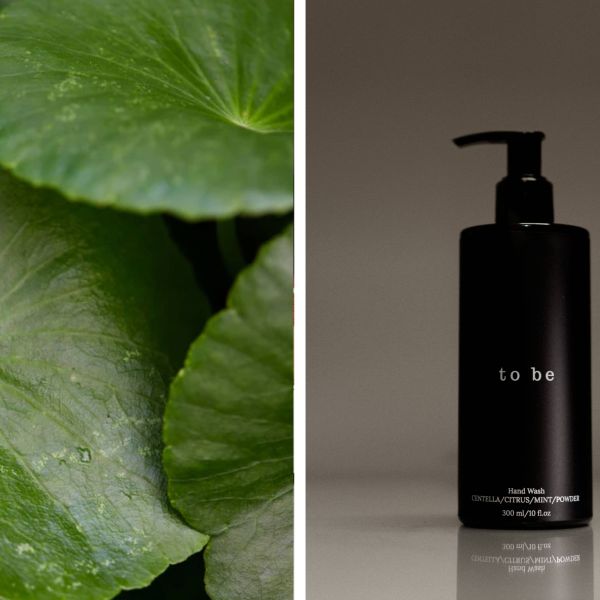
- Choose a gentle soap. Swap bar soap or antibacterial soap for a liquid soap with mild cleansing ingredients, such as our Hand Wash with Centella Asiatica Extract, which cleanses gently without irritating damaged skin.
- Pat dry, don't rub. After washing, gently pat your hands dry with a towel, especially between the fingers.
- Apply hand cream after every wash. Not once a day, but every time your hands have been in water. This habit is what gives the cracks a chance to heal.
- Don't peel off the dry skin around the cracks. Peeling it off makes the wound deeper. Soften the dry skin with cream instead.
- Wear gloves for chores. Wash the dishes and clean in rubber gloves until the cracks have healed.

How do you do an overnight hand treatment?
An overnight hand treatment is a generous layer of hand cream under thin cotton gloves, left on all night. It helps cracks heal faster because at night your hands stay out of water and the skin has time to repair itself. Here's how to do it:
- Before bed, wash your hands and pat them dry.
- Apply a generous layer of hand cream, especially on your fingers, cuticles and knuckles.
- Put on thin cotton gloves. They keep the cream on your skin instead of your bedding.
- Leave it on overnight, or for at least 1–2 hours.
Repeat every evening until the cracks heal, then a few times a week to prevent them.
How can you prevent cracked hands in winter?
To keep your hands from cracking in winter, wear gloves outdoors, apply hand cream after every wash and use a gentle soap. It's harder to heal cracks than to prevent them. A few simple habits will help keep your hands soft all winter.
- Gloves outdoors. Put them on before your hands get cold, especially on windy days.
- Hand cream 15 minutes before going out. Fifteen minutes gives the cream time to absorb and form a protective layer. Don't apply cream right before stepping out into the cold.
- Hand cream after every wash. Keep a tube by the sink, on your desk and in your bag so it's always within reach.
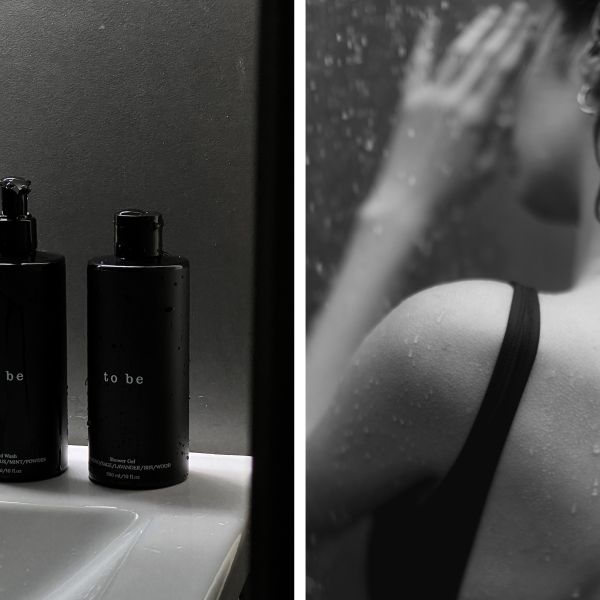
- A gentle liquid soap. The more often you wash your hands, the more important it is that your soap doesn't dry out your skin. to be offers three moisturising hand washes: with centella asiatica extract, with Australian Jelly Bush honey extract and with clove extract and eugenol. Keep one by the sink next to your hand cream.
- A humidifier at home. During the heating season, a humidifier helps your skin lose less water. We covered this in more detail in "Why skin gets dry when the heating season starts".
For your hand cream to really work, it's also important to avoid common mistakes. Read about them in "Why your hand cream 'doesn't work': the main mistakes in daily hand care".
Which hand cream helps with cracked skin?
The best hand cream for cracked skin contains phytoceramides, soothing plant extracts and butters: it doesn't just moisturise, it also restores the skin's protective barrier. Here's what to look for in the ingredients:
- phytoceramides — lipids similar in structure to the skin's own ceramides, which help hold in moisture. Learn more in "What are phytoceramides and why are they important for skin";
- soothing plant extracts, such as centella asiatica;
- butters and oils, which soften dry skin and form a protective layer.
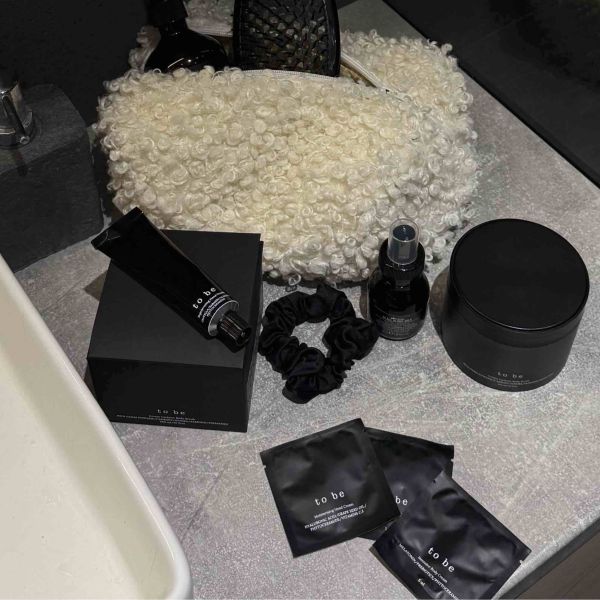
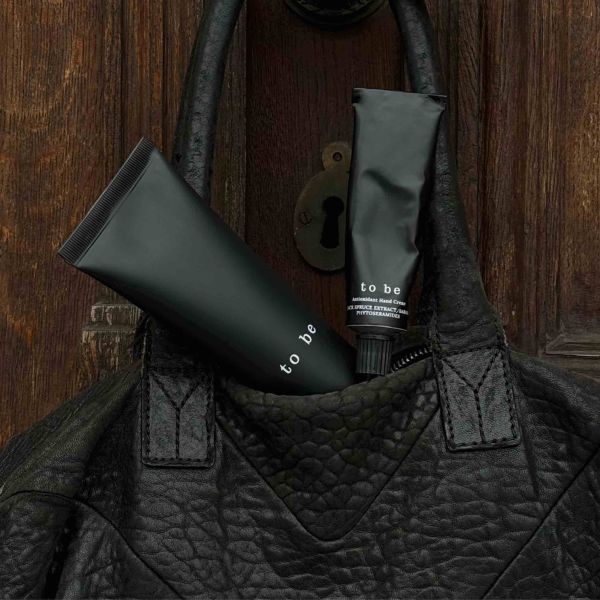
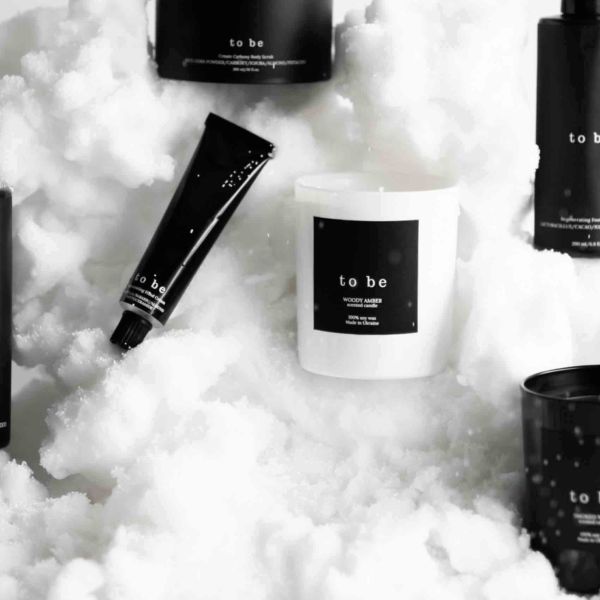
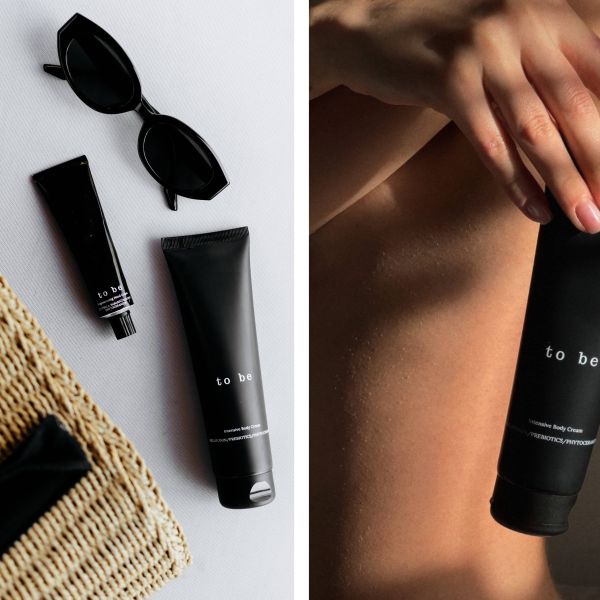
to be hand creams are made for exactly this kind of care:
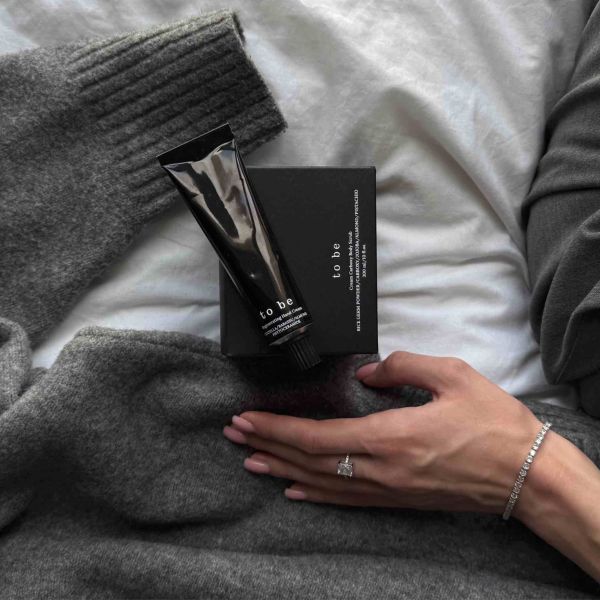
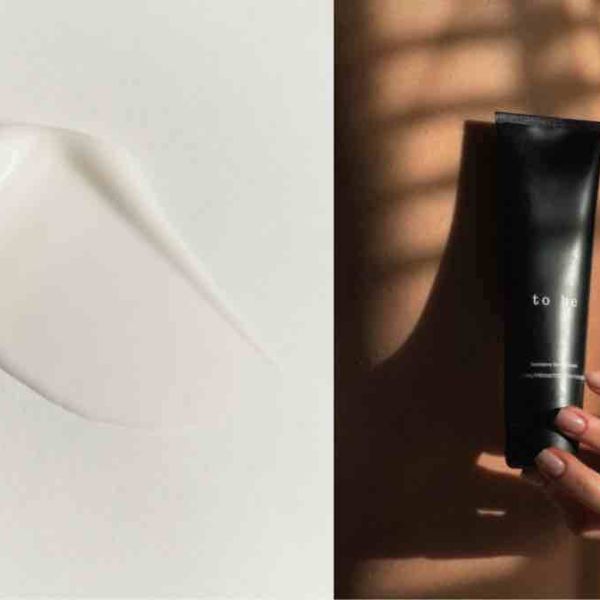
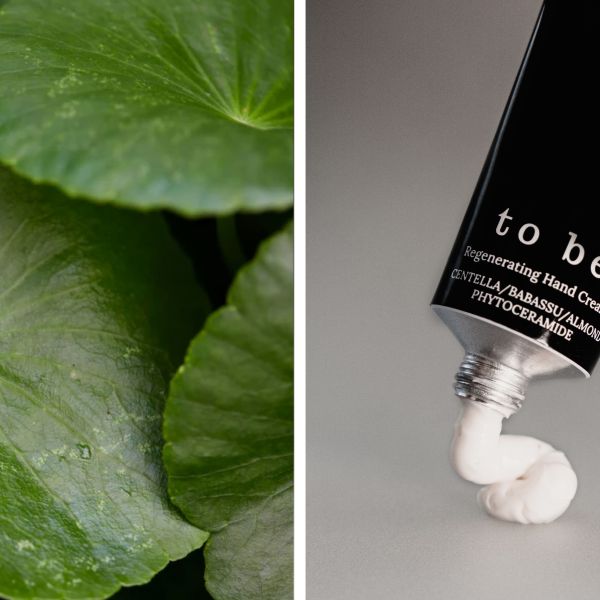
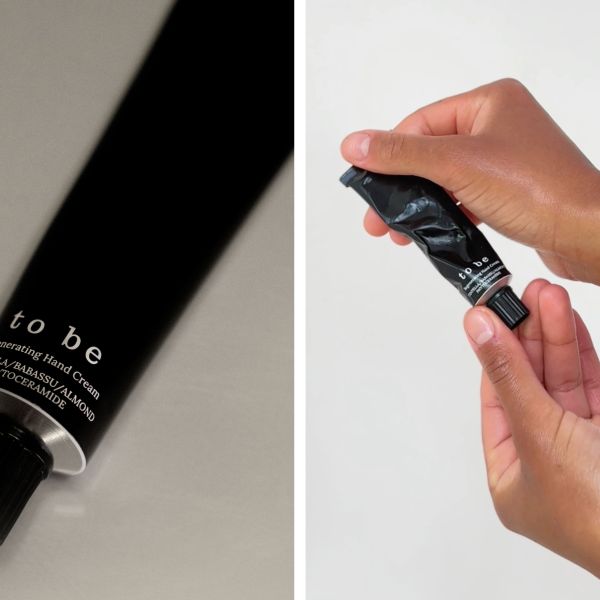
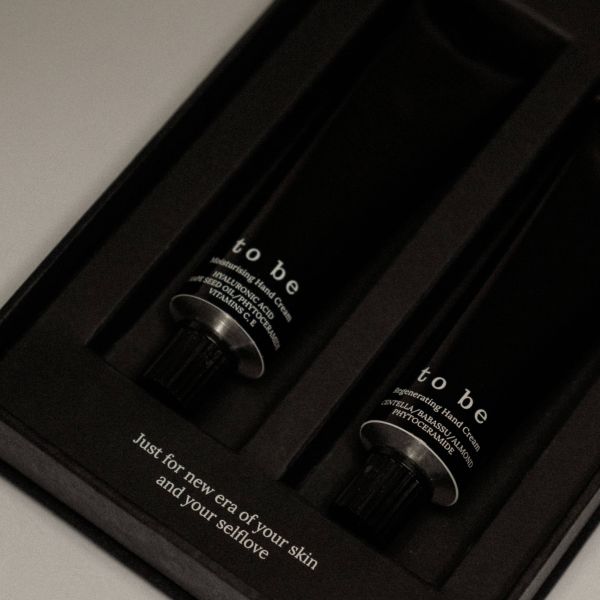
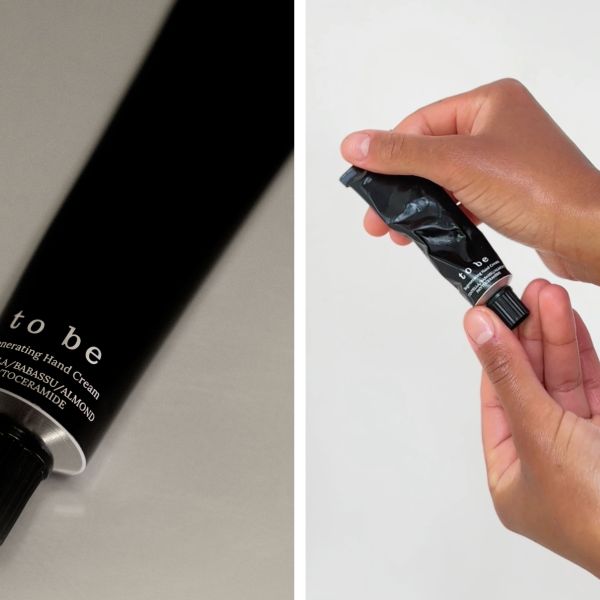
- Regenerating Hand Cream with Phytoceramides and Centella Asiatica Extract — your go-to for irritation, dryness and cracks. Phytoceramides restore the barrier, while centella soothes the skin. Ideal for the overnight treatment. Also available in a 200 ml size, handy to keep by the sink.
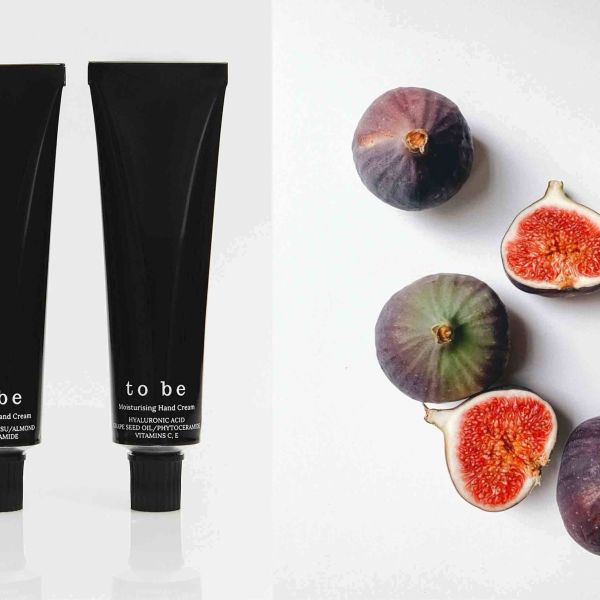
- Repairing Hand Cream with Jelly Bush Honey Extract and Cupuaçu Butter — cupuaçu butter softens dry skin, and its warm, cosy scent turns the overnight treatment into a pleasant ritual.
- Antioxidant Hand Cream with Phytoceramides and Black Spruce Bark Extract — a light day cream that absorbs quickly and isn't sticky. Easy to apply before heading outside.
To keep your skin from drying out while you wash, choose a gentle soap such as Hand Wash with Centella Asiatica Extract. For your home or as a gift, there's the ready-made Set "Be Harmonious": centella hand wash and a regenerating hand cream.
For more on winter hand care, read "How to protect hand skin in winter".
When should you see a dermatologist about cracked hands?
See a dermatologist if the cracks don't heal after 1–2 weeks of regular care, or if you notice itching, blisters, bleeding or pus. Cracks caused by ordinary dryness usually improve noticeably within that time. Watch for these warning signs:
- the cracks don't heal or get deeper despite proper care;
- the skin is very itchy or red, or you notice blisters or weeping patches;
- the cracks bleed, ooze or become swollen;
- dryness and peeling persist even in summer.
These signs may point to dermatitis, eczema, an allergy or an infection. In that case, skincare can help, but it is not a substitute for treatment.
Cracked fingers appear in winter when your skin loses moisture faster than it can repair itself. Protect your hands from cold and hot water, choose a gentle soap, apply hand cream after every wash and do the overnight treatment. You'll find everything you need for this kind of care in the to be body care catalogue.
Share the publication: