Jelly Bush in cosmetics: what makes Australian honey special and why is it used in skincare?

Honey is far from a new ingredient in cosmetics. Honey extracts are used in skincare products for their ability to help maintain skin hydration, softness and comfort. But not all honey is the same, and its properties depend, among other factors, on the plants from which bees collect nectar.
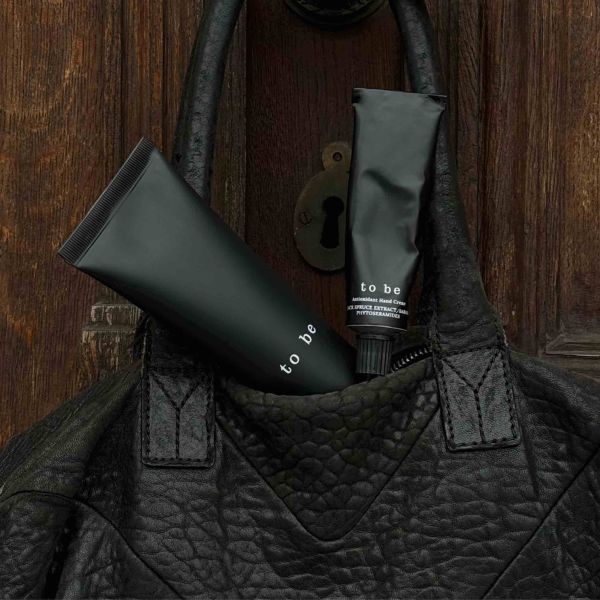
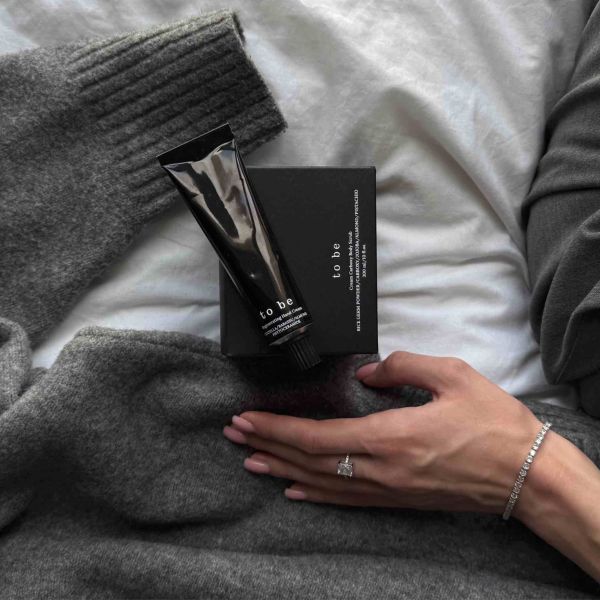
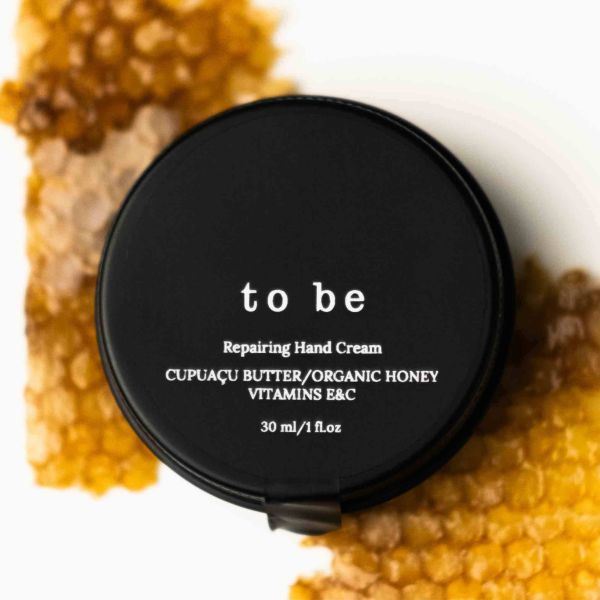
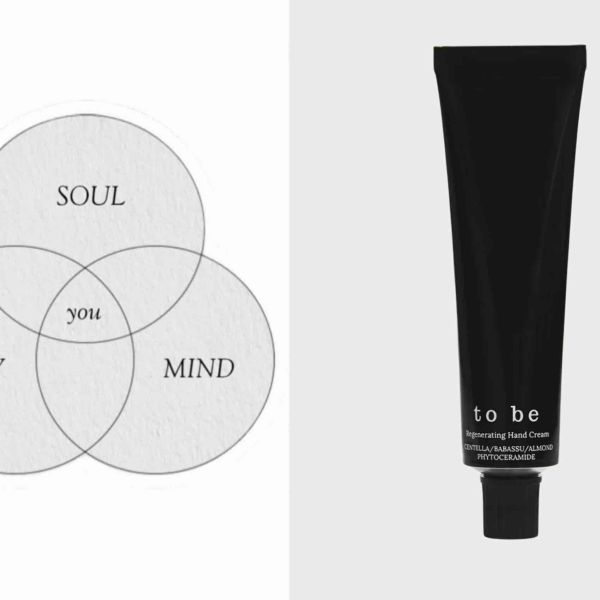
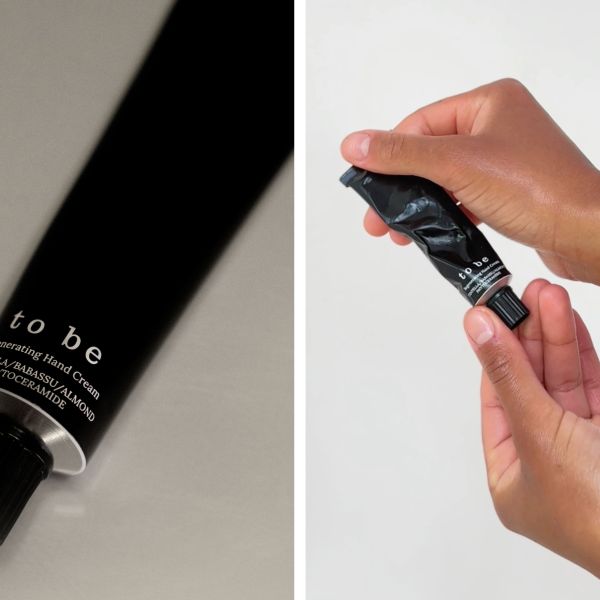
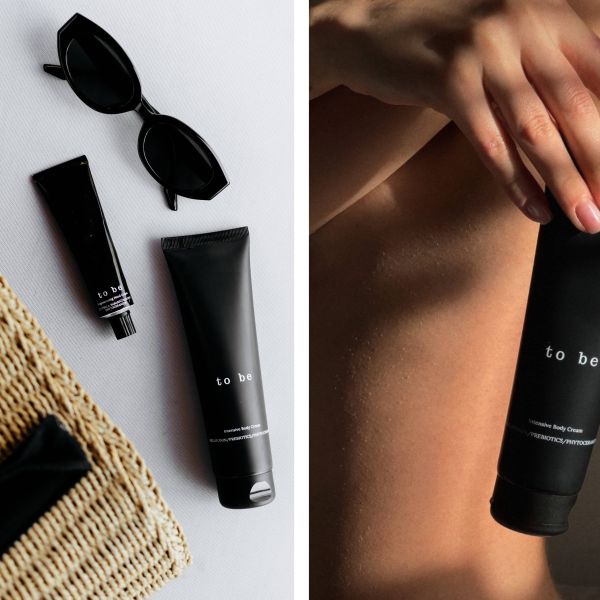
One interesting example is Jelly Bush, an Australian honey produced from the nectar of plants of the Leptospermumgenus. At to be, we have already worked with organic Jelly Bush honey extract in our repairing hand cream, and now we are continuing this story with two new formulas — our Body & Hand Lotion and Hand Wash.
These are not simply three versions of the same product featuring the same active ingredient. Each product has its own formula, developed from scratch for its specific purpose, with Jelly Bush combined with different ingredients.
What is Jelly Bush?
Jelly Bush is the name given to an Australian honey associated with plants of the Leptospermum genus. The well-known New Zealand mānuka also belongs to this botanical genus, which is why the two types of honey are often compared.
However, Jelly Bush is not another name for mānuka. Australia has its own Leptospermum species, from whose nectar bees produce honey with a distinctive composition. Australian Leptospermum honeys have been the subject of scientific research, particularly because of their biological activity.
In cosmetics, however, it is important to distinguish between the properties of honey itself and those of a cosmetic extract derived from it. What matters in a formula is not simply the ingredient’s appealing origin, but its function and how it works in combination with other components.
Why is honey extract used in cosmetics?
Honey contains sugars and other hydrophilic compounds, which makes its derivatives particularly interesting for formulas designed to help maintain skin hydration and comfort.
This is especially relevant for the skin on the body and hands. Water, cleansing products, dry air, sun, wind, indoor heating and frequent contact of the hands with different surfaces can affect the condition of the skin’s protective barrier and contribute to moisture loss.
That is why Jelly Bush does not act as a standalone “star ingredient” in our formulas. We combine it with other components depending on the specific purpose of each product.
A new formula: Jelly Bush + four forms of hyaluronic acid
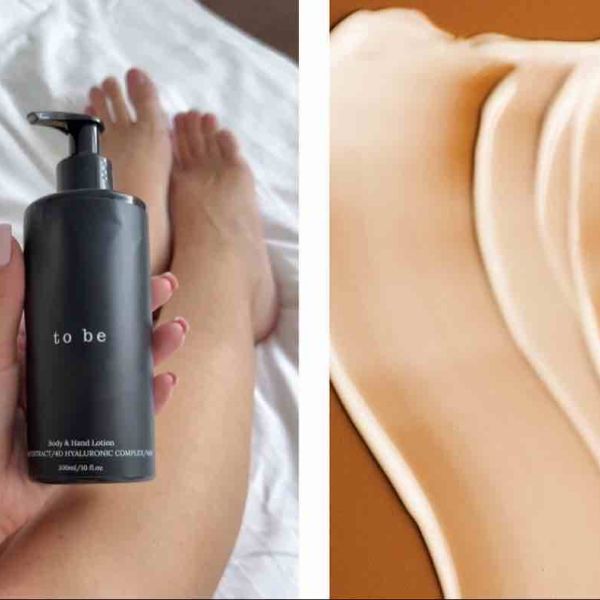
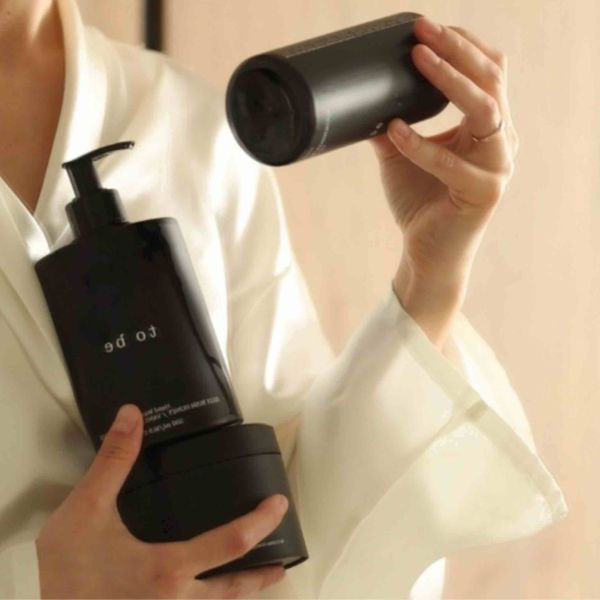
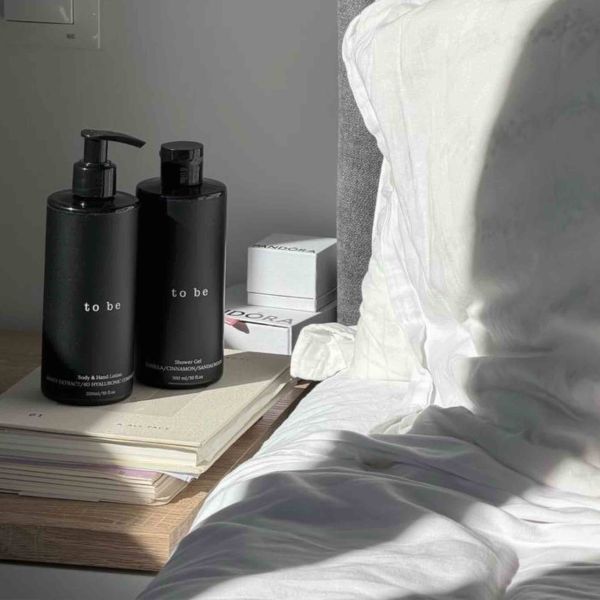
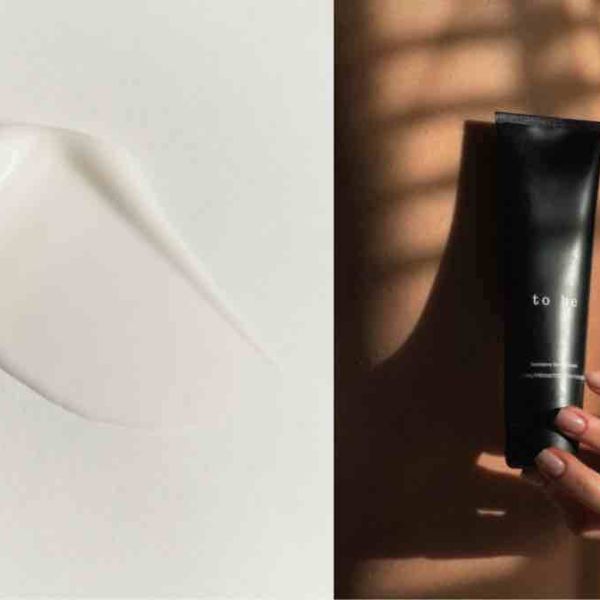
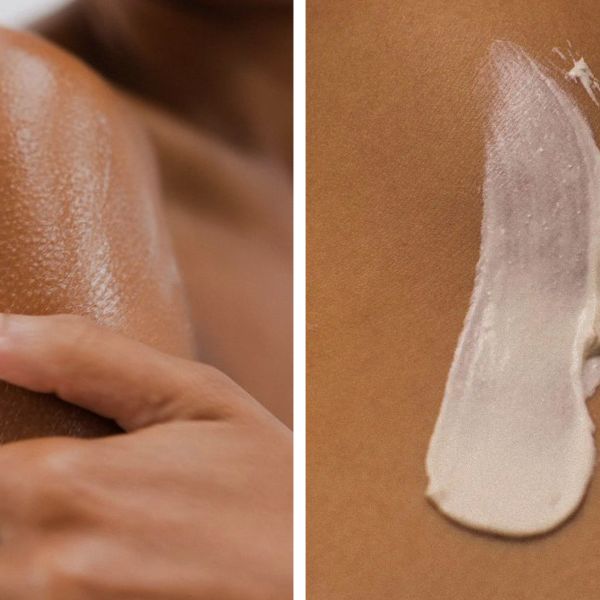
One of the latest additions to the to be range is our moisturizing Body & Hand Lotion with organic Jelly Bush honey extract.
When developing it, we wanted to create a lightweight product for regular use, but with a more comprehensive system of ingredients to help maintain skin hydration.
That is why we combined Jelly Bush extract with a complex of four forms of hyaluronic acid. Different forms of hyaluronic acid vary in molecular weight and properties within a cosmetic formula, and combining them provides a more comprehensive approach to maintaining skin hydration.
The formula is complemented by components of the natural moisturizing factor (NMF). NMF is a complex of substances naturally present in the skin’s stratum corneum and important for maintaining normal moisture levels. The lotion also contains lipophilic forms of vitamins C and E — antioxidant ingredients that complement daily skincare.
In other words, the formula is built not around a single trendy ingredient, but around a combination of components with different functions.
How is it different from the to be lotion with centella?
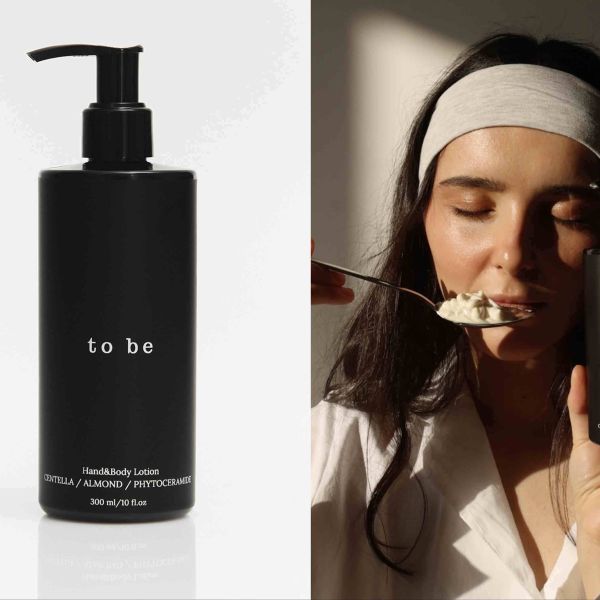
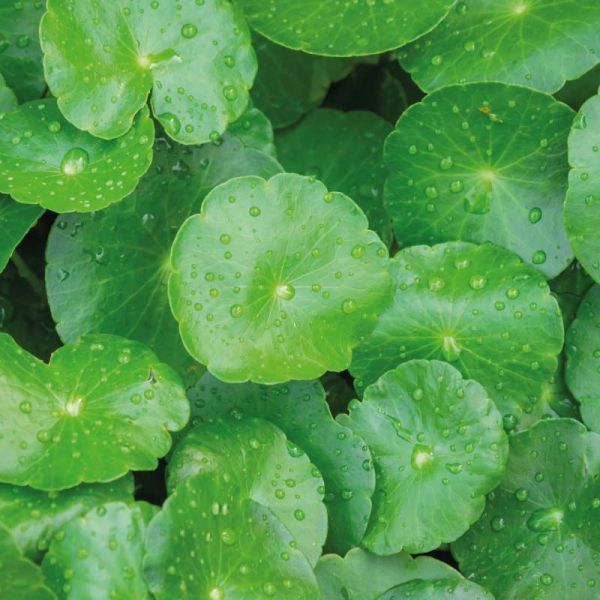
Our range already includes a moisturizing Body & Hand Lotion with Centella Asiatica, but the Jelly Bush lotion is not the same product with a different fragrance.
The centella lotion focuses on Centella Asiatica Extract, phytoceramides and plant oils. The new formula focuses on Jelly Bush, four forms of hyaluronic acid, NMF and vitamins C and E.
The sensory experience is different as well. The new lotion features notes of honey, vanilla, mimosa, orange blossom, sandalwood and woods. The fragrance is warm, soft and comforting, without making the product smell overtly “honey-like.”
These are therefore two distinct formulas and two different options for daily body care, allowing you to choose according to your skin’s needs, preferred texture and the fragrance that appeals to you most.
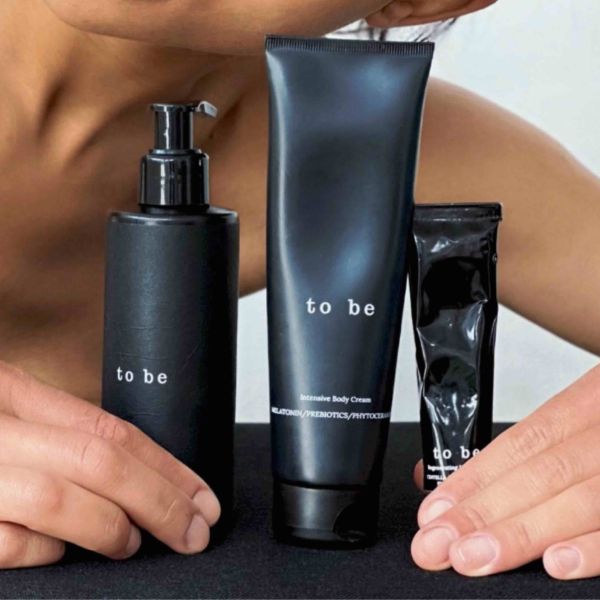
Three to be products with Jelly Bush — three different formulas
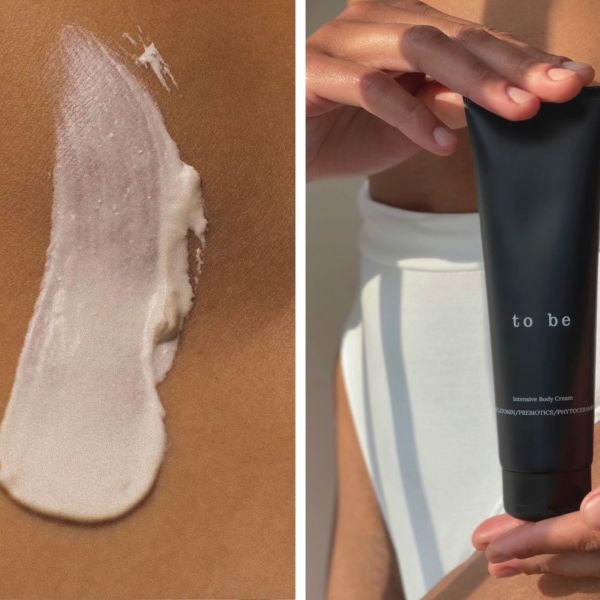
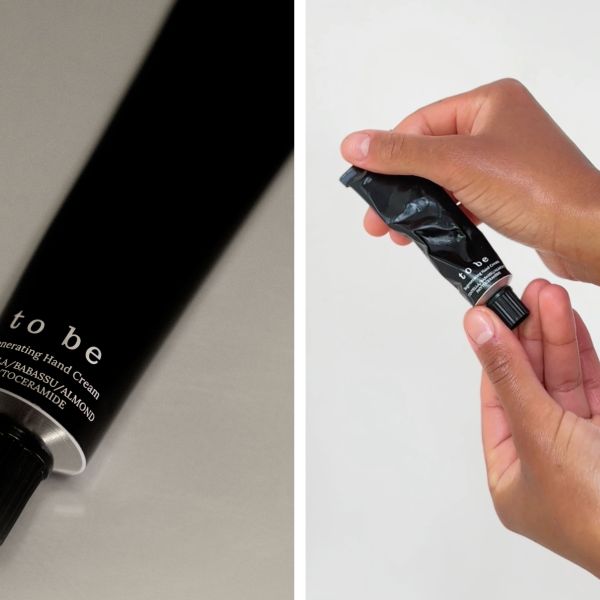
In our repairing Hand Cream, organic Jelly Bush honey extract is combined with cupuaçu butter and other components of a rich formula designed to care for dry hands.
In the new Body & Hand Lotion, the focus shifts towards maintaining hydration: Jelly Bush is complemented by four forms of hyaluronic acid, NMF components and vitamins C and E.
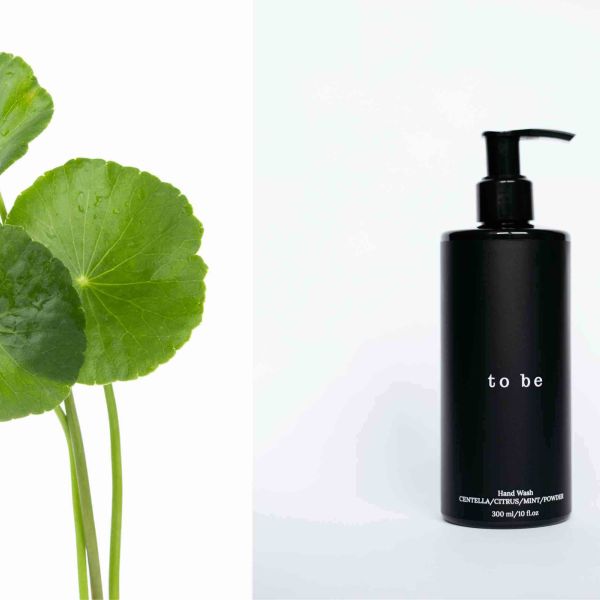
The third product is our new Hand Wash with Jelly Bush extract. Here, the formula has a different purpose: as a rinse-off product, its primary role is to cleanse the skin effectively yet gently.
That is why we do not simply use the same base from one product to another. Every to be formula is developed individually, with active ingredients selected according to the specific function of each product.
Jelly Bush — a continuation of the to be approach to formulation
We are drawn to interesting active ingredients, but what matters even more to us is how they work within the formula as a whole.
That is why Jelly Bush at to be is not simply an ingredient that looks good on a label. It first appeared in our rich repairing hand cream and is now featured in our new lotion with four forms of hyaluronic acid, as well as in our hand wash for daily cleansing.
Three products, three different purposes and three individual formulas.
When choosing a skincare product, it is worth looking beyond a single active ingredient highlighted in its name. A well-designed cosmetic formula is always about the combination of ingredients, texture and the product’s intended purpose. This is the principle behind every to be formula we create.
Share the publication: