Why does your body itch without a rash: 7 possible causes and what to do about it

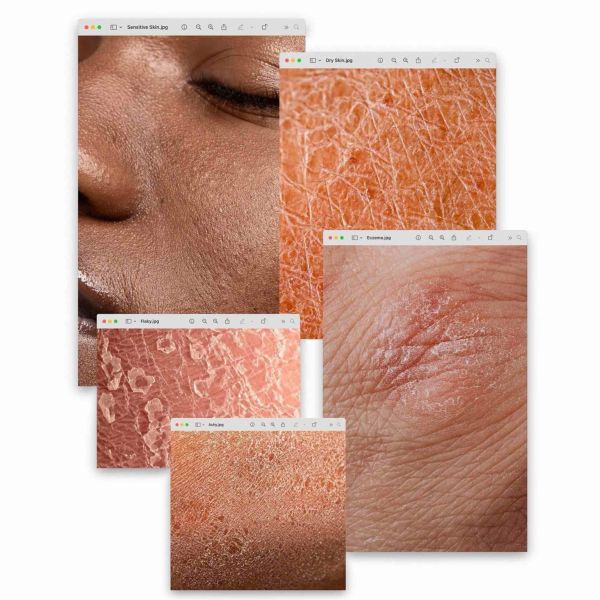
Your skin feels itchy, but there is no rash, redness, or other visible changes? The first thought is often an allergy. In fact, itchy skin without a rash can have many causes, and one of the most common — and simplest — is ordinary skin dryness.
Sometimes, simply adjusting the water temperature in the shower, changing your cleansing product, and reviewing your daily skincare routine can be enough. However, if the itching is severe, persistent, or affects the entire body, you should not try to address it with cosmetics alone.
Here are seven possible reasons why your body may itch and the signs you should pay attention to.
1. Dry skin
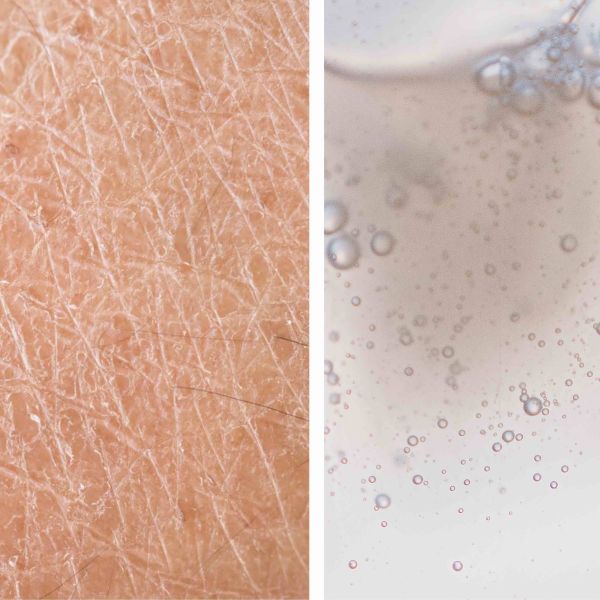
Itching is not always accompanied by flaking. The skin may look completely normal while already lacking moisture and lipids.
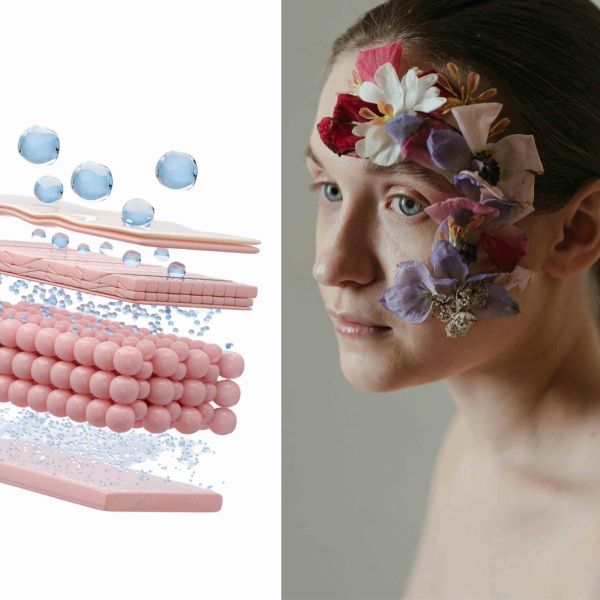
When the protective barrier is weakened, the skin loses water more quickly and becomes more sensitive to external irritants. This can lead to tightness, roughness, and the urge to scratch certain areas.
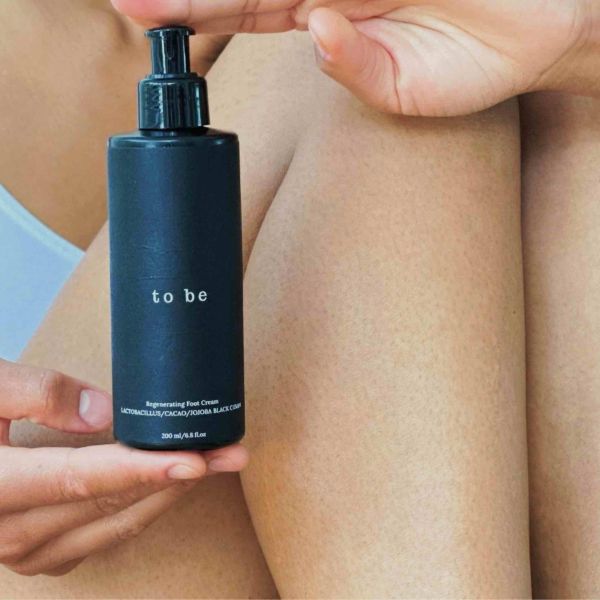
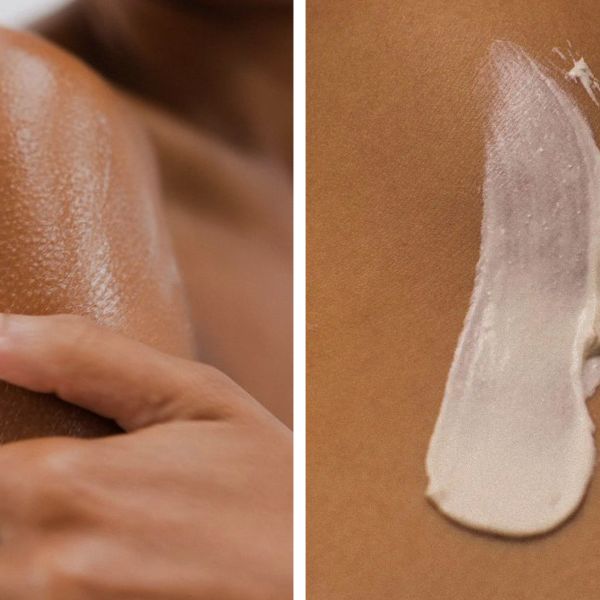
Dryness is especially common on the shins, arms, elbows, and thighs. In this case, it may be helpful to add a regular body cream or lotion for dry skin to your routine and see whether the discomfort decreases.
2. Showering with water that is too hot
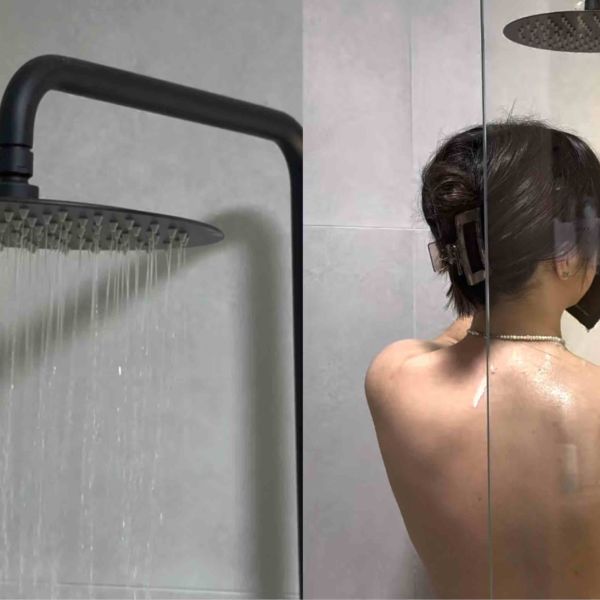
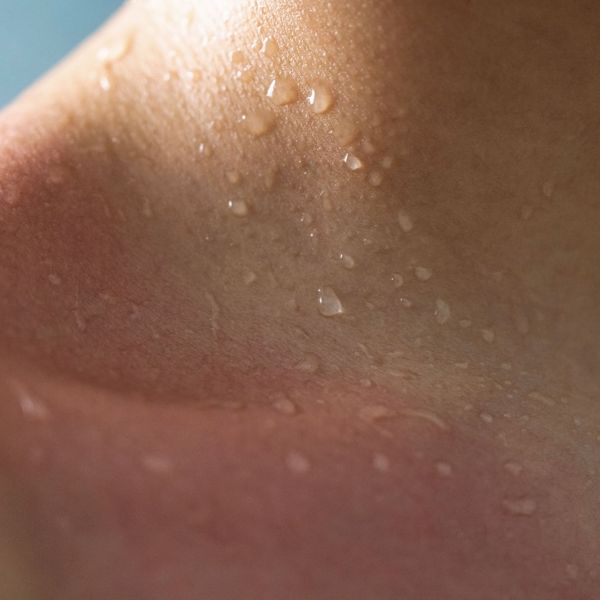
If your skin feels itchy specifically after a shower, pay attention to the water temperature.
Long, hot showers can increase dryness by removing some of the skin’s natural lipids from its surface. This is especially noticeable if your skin feels tight after showering.
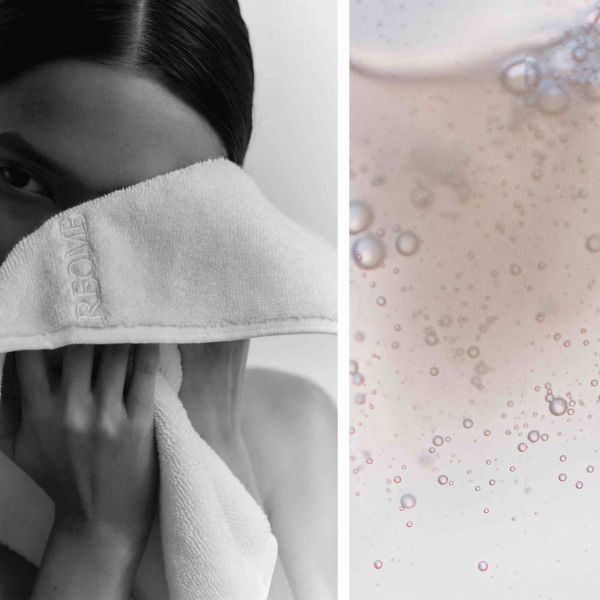
Try using warm rather than hot water, spending less time in the shower, and gently patting your skin dry with a towel instead of rubbing it.
3. Over-cleansing
That “squeaky clean” feeling is not a sign of effective cleansing.
Harsh cleansers, frequent use of rough washcloths, or excessive exfoliation can disrupt the skin’s natural balance. As a result, the skin may become drier and more sensitive, and sometimes begin to itch.
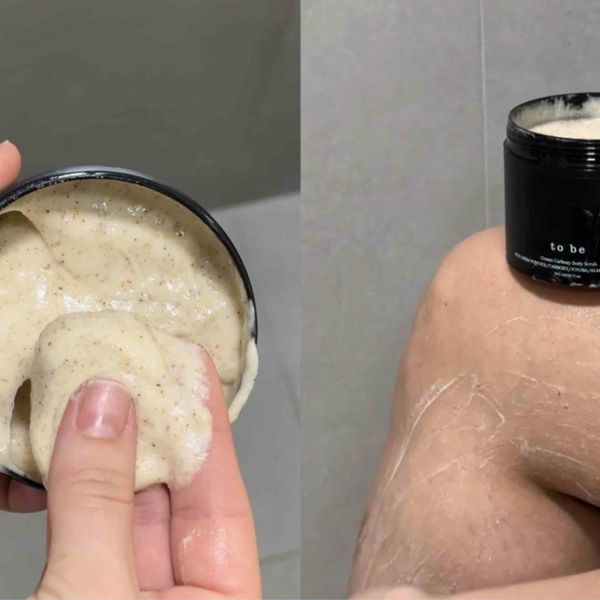
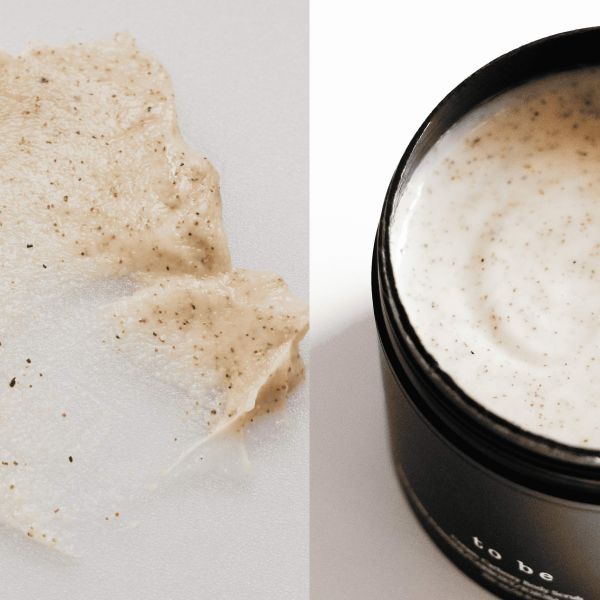
For daily care, it is better to choose gentle cleansing products and use scrubs occasionally rather than every day.
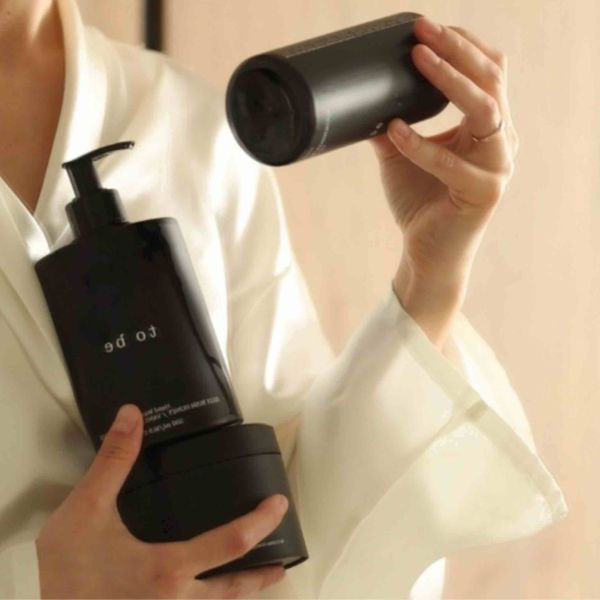
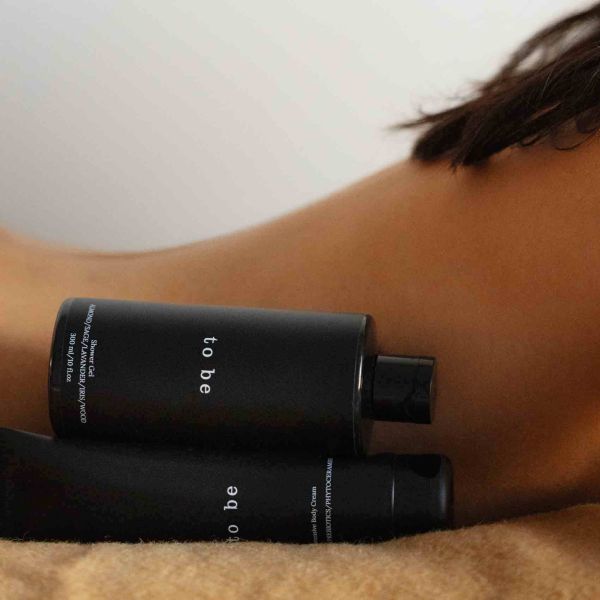
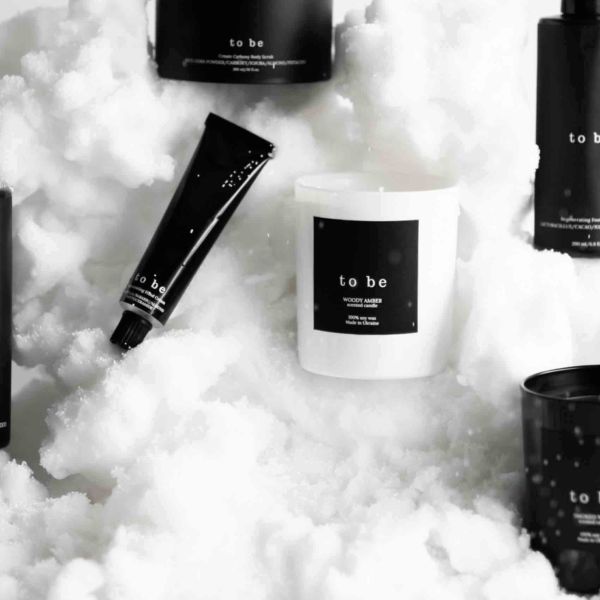
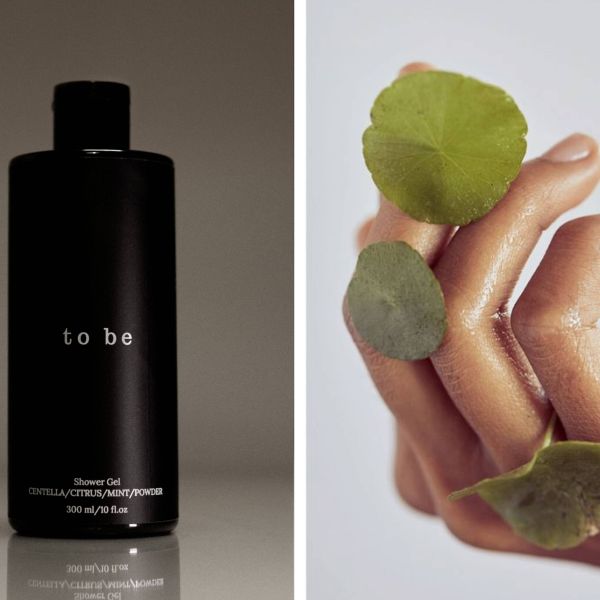
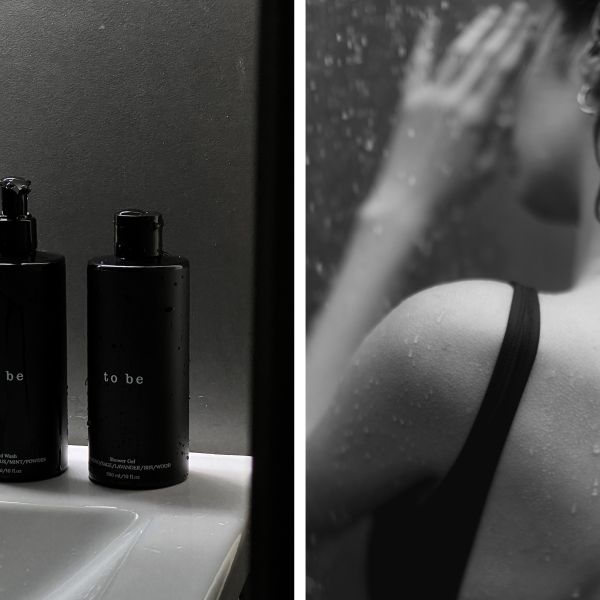
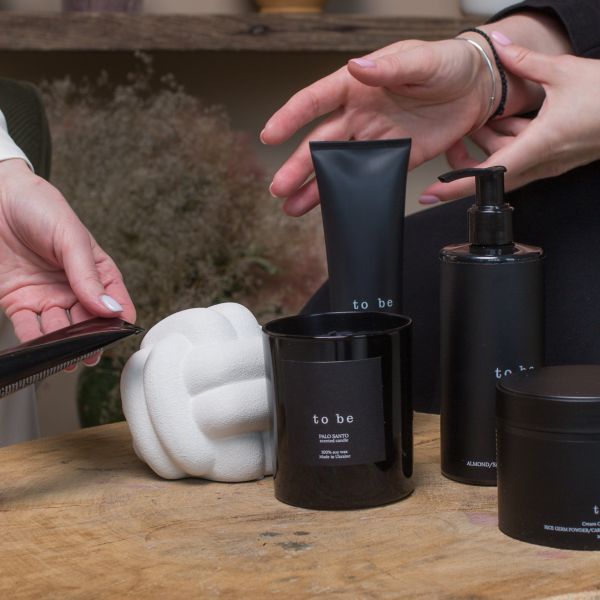
to be shower gels contain a complex of mild sulfate-free surfactants derived from plant oils and cane sugar. They gently remove impurities without leaving the characteristic “squeaky clean” feeling after showering.
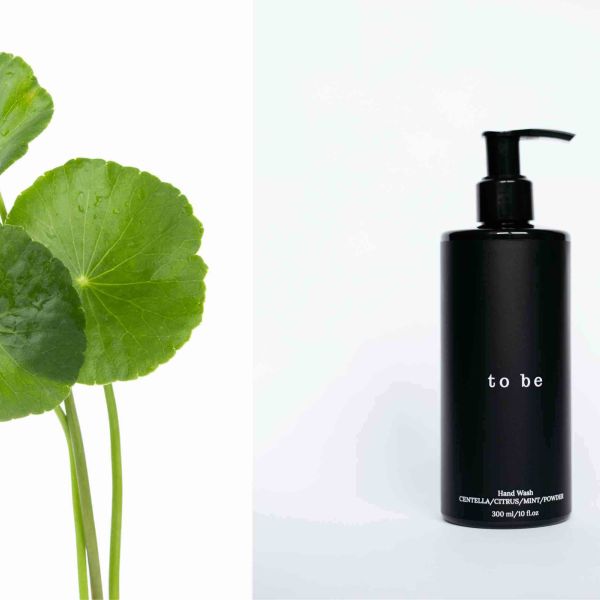
Depending on your skin’s needs and fragrance preferences, you can choose the moisturizing shower gel with Centella asiatica extract, shower gel with violet extract, shower gel with sweet almond fruit extract, or shower gel with vanilla and cassia bark. They can be used as part of your daily routine, especially if conventional cleansers tend to leave your skin feeling dry and tight.
Even a gentle shower gel, however, does not replace the next step in your routine: after cleansing, it is worth applying a lotion or cream, especially if your skin is prone to dryness.
4. Dry air
The cause may not be your cosmetics at all, but the indoor environment.
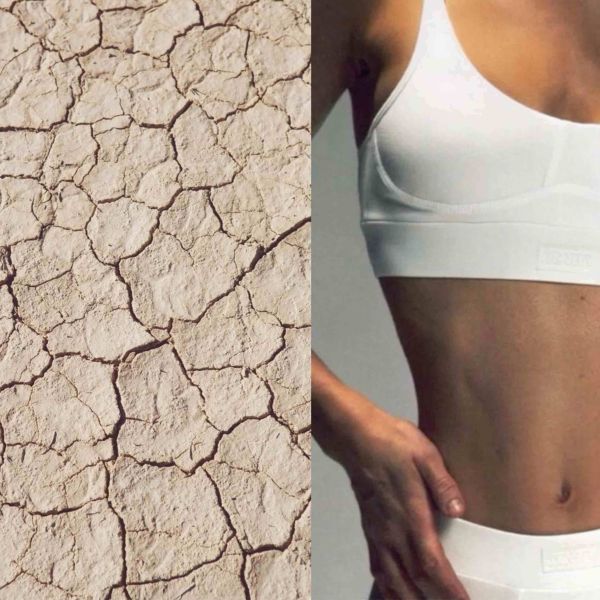
Air conditioning in summer and heating in winter reduce humidity levels. In these conditions, the skin loses water more quickly, so dryness and itching may become more noticeable even in people who do not usually experience these issues.
During these periods, it is especially important to moisturize the skin regularly.
5. Clothing and constant friction
Sometimes the skin itches only in certain areas: around the waist, on the legs or arms, or wherever clothing fits closely against the body.
The cause may be constant friction, rough fabrics, or a combination of tight clothing, heat, and sweat. Even before visible irritation appears, the skin may react with discomfort.
If itching occurs after wearing certain clothes, pay attention to this pattern and temporarily avoid items that seem to irritate your skin.
6. Reaction to cosmetics or household products
A new shower gel, fragranced body product, laundry detergent, or fabric softener can also cause irritation.
A reaction does not always immediately appear as a noticeable rash. If the itching started after introducing a new product, the simplest first step is to stop using it temporarily and observe how your skin responds.
7. The cause may not be your skin
This is an important point to consider separately. Itching without a rash is not always a cosmetic issue.
Persistent or generalized itching can accompany certain dermatological and systemic conditions. That is why it is not worth spending months switching creams in an attempt to find “the one” if the underlying cause remains unclear.
It is especially important to see a doctor if the itching lasts for more than two weeks, starts suddenly without an obvious cause, affects the entire body, interferes with sleep, or is accompanied by other symptoms.
What to do if itching is related to dry skin?
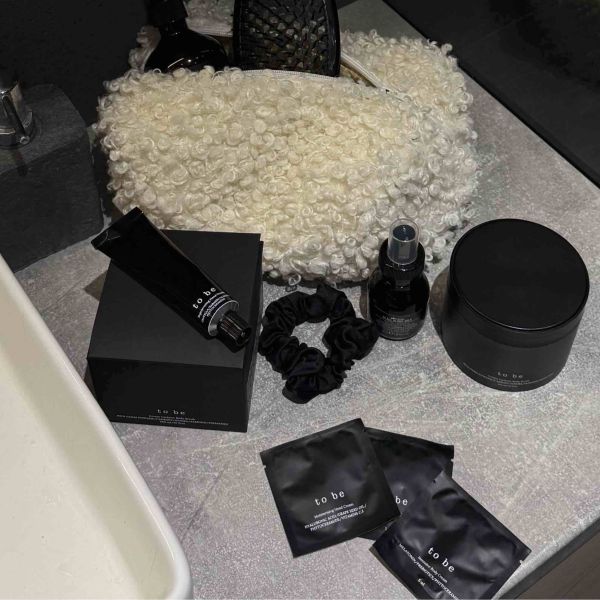
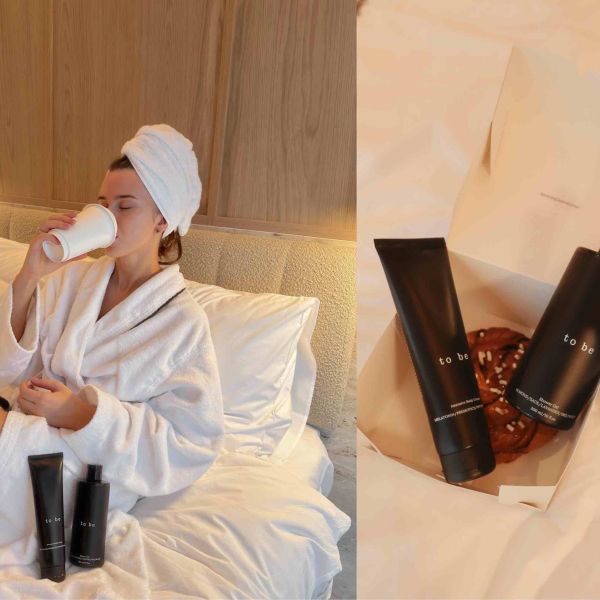
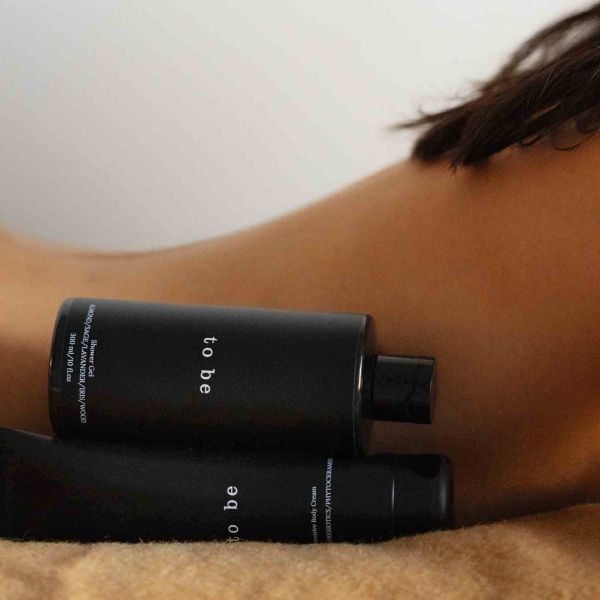
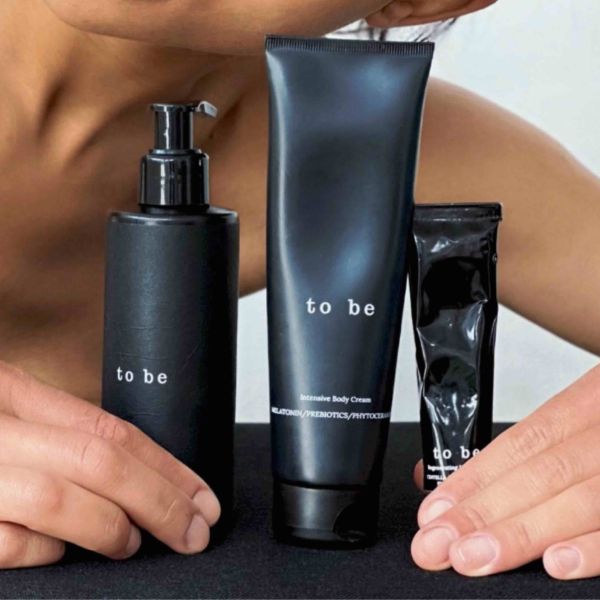
Start not with the cream itself, but with your entire daily routine. Use warm rather than hot water, avoid harsh cleansing, and choose a gentle shower gel that does not leave your skin feeling tight. to be sulfate-free shower gels, formulated with a complex of mild surfactants, are suitable for this purpose.
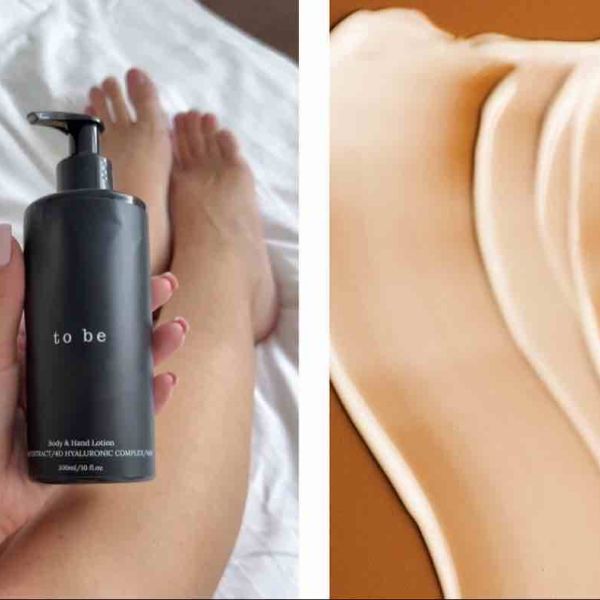
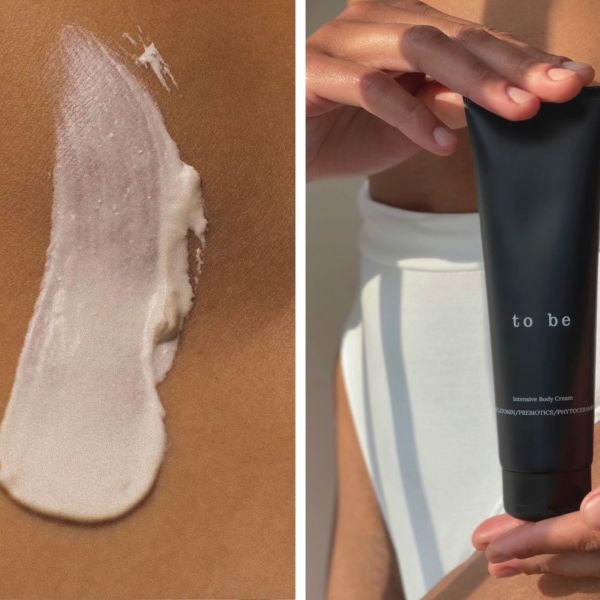
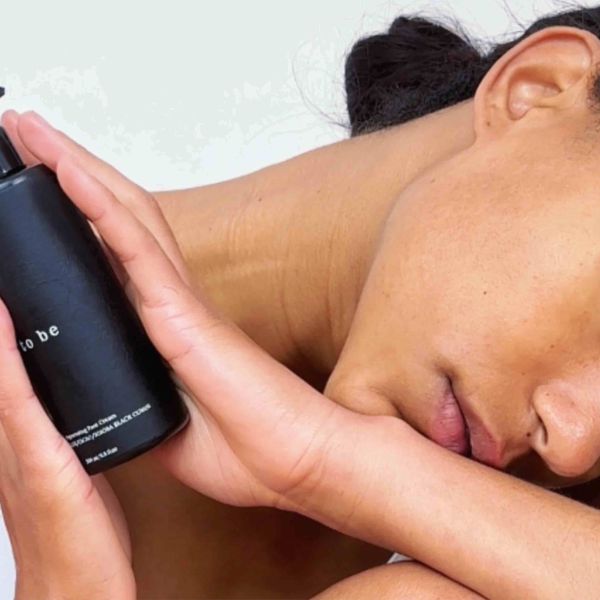
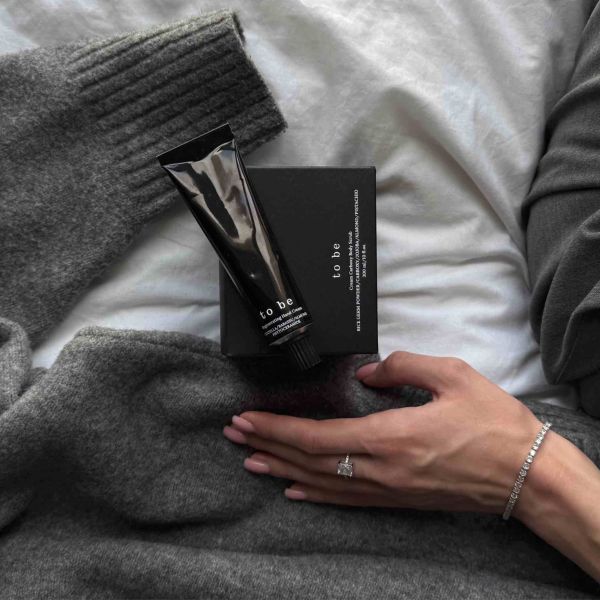
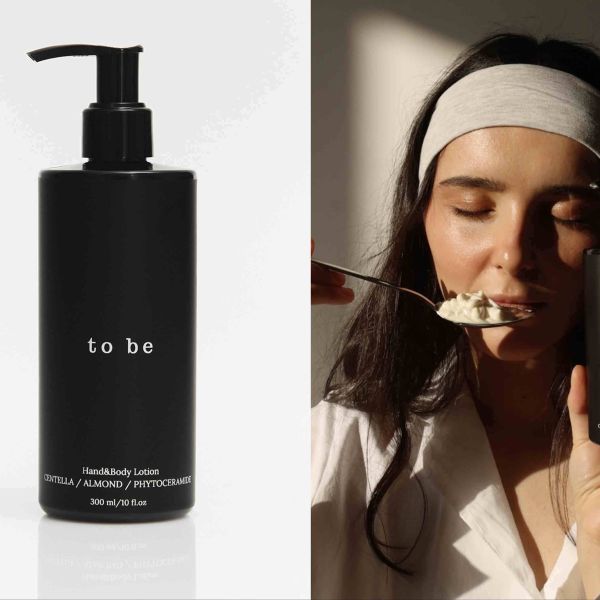
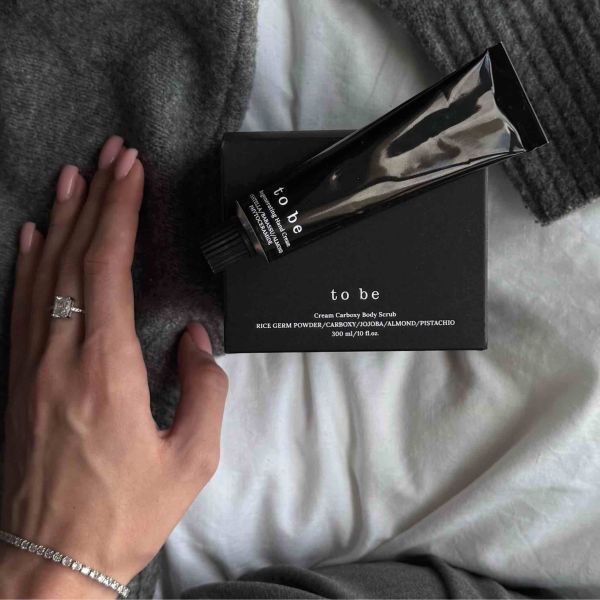
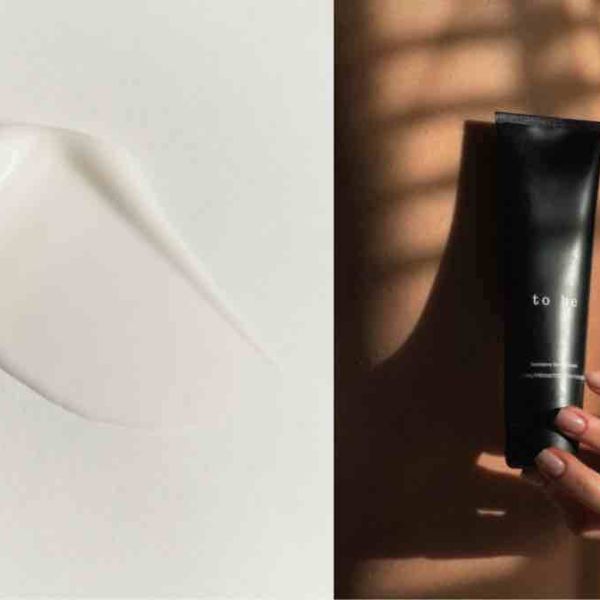
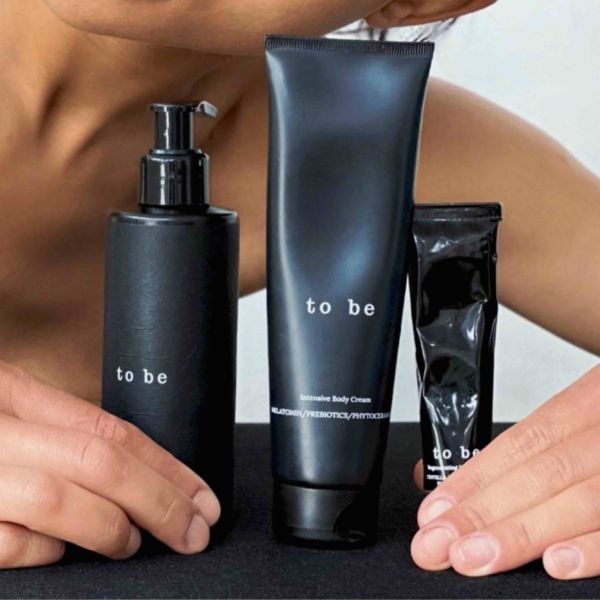
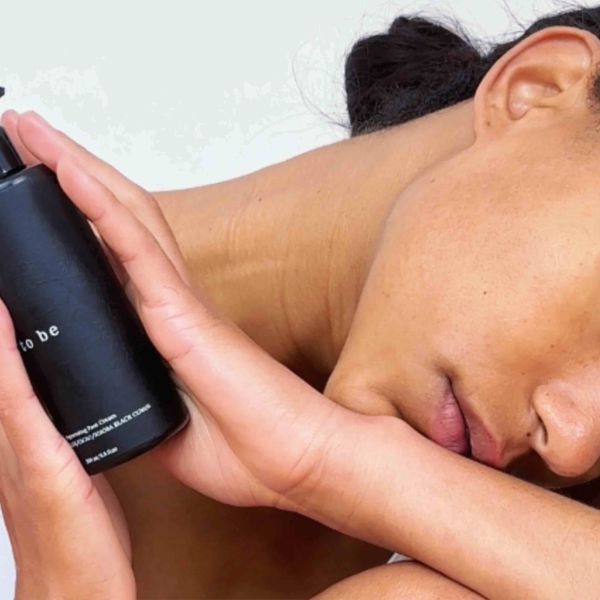
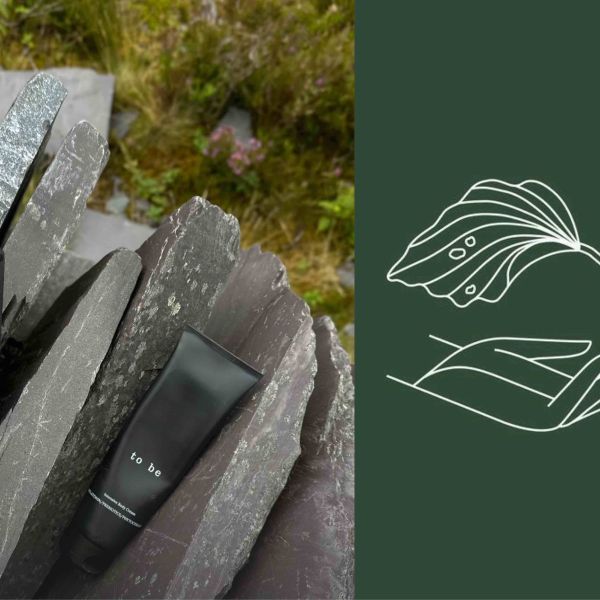
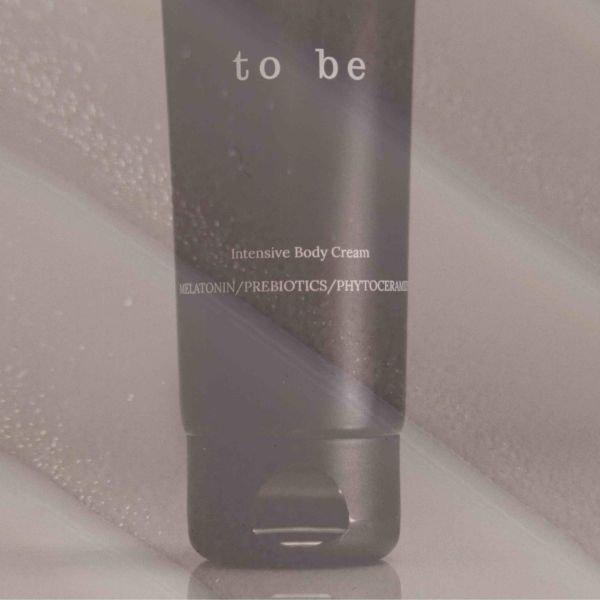
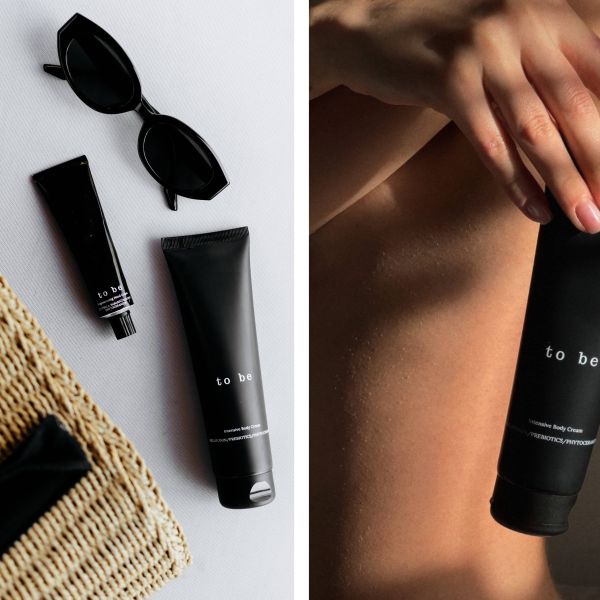
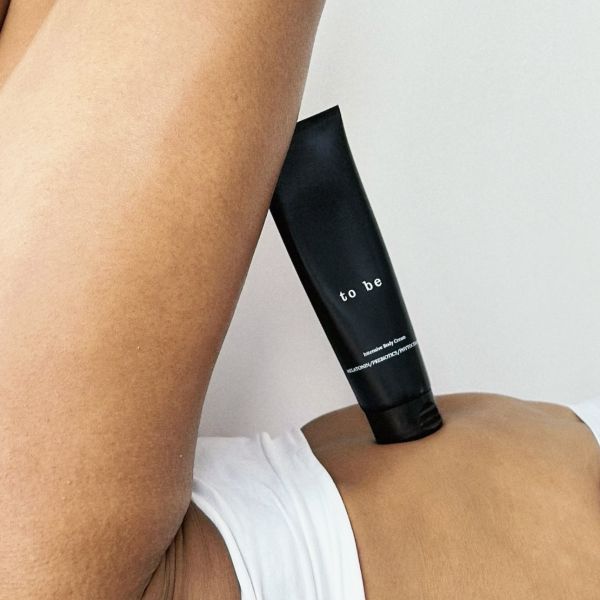
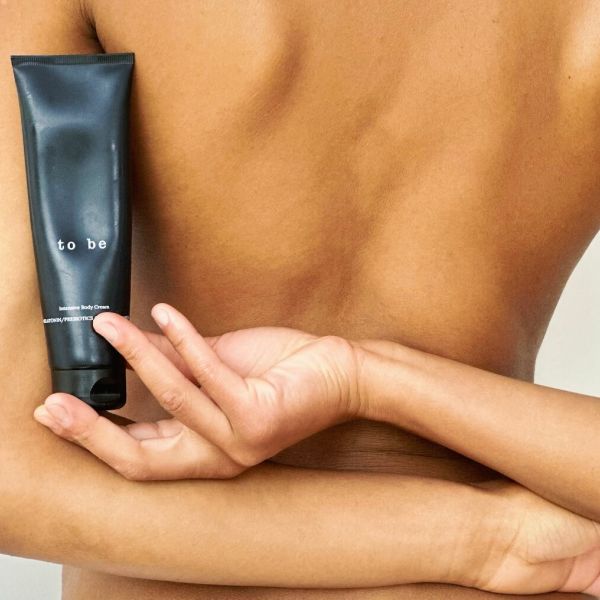
After showering, gently pat your body dry with a towel and apply a body care product. If your skin is only slightly prone to dryness, you can choose a lightweight to be body lotion. If dryness is more pronounced and accompanied by tightness, the to be lamellar body cream with grape melatonin may be a more suitable option. Its formula contains plant-derived squalane, shea and jojoba oils, phytoceramides, a prebiotic complex, and grape melatonin to help support the skin’s natural protective barrier and reduce moisture loss.
Cosmetics are useful when the discomfort is related to dryness and skincare habits. They should not be used to mask unexplained or persistent itching.
When is itchy skin a reason to see a doctor?
If you have adjusted your skincare routine, stopped using hot water, and moisturize your skin regularly but the itching does not go away, it is better not to keep experimenting on your own.
You should also see a doctor if the itching is severe, disrupts your sleep, affects your entire body, starts suddenly, or is accompanied by other unusual symptoms.
Skin can itch without a rash for completely ordinary reasons — from dry air to showers that are too hot. The key is not to ignore the signal and to distinguish between situations where your skin simply needs a change in care and those where it is worth looking for the underlying cause together with a doctor.
Share the publication: