How to care for your skin after the beach: Simple steps to keep it comfortable and healthy
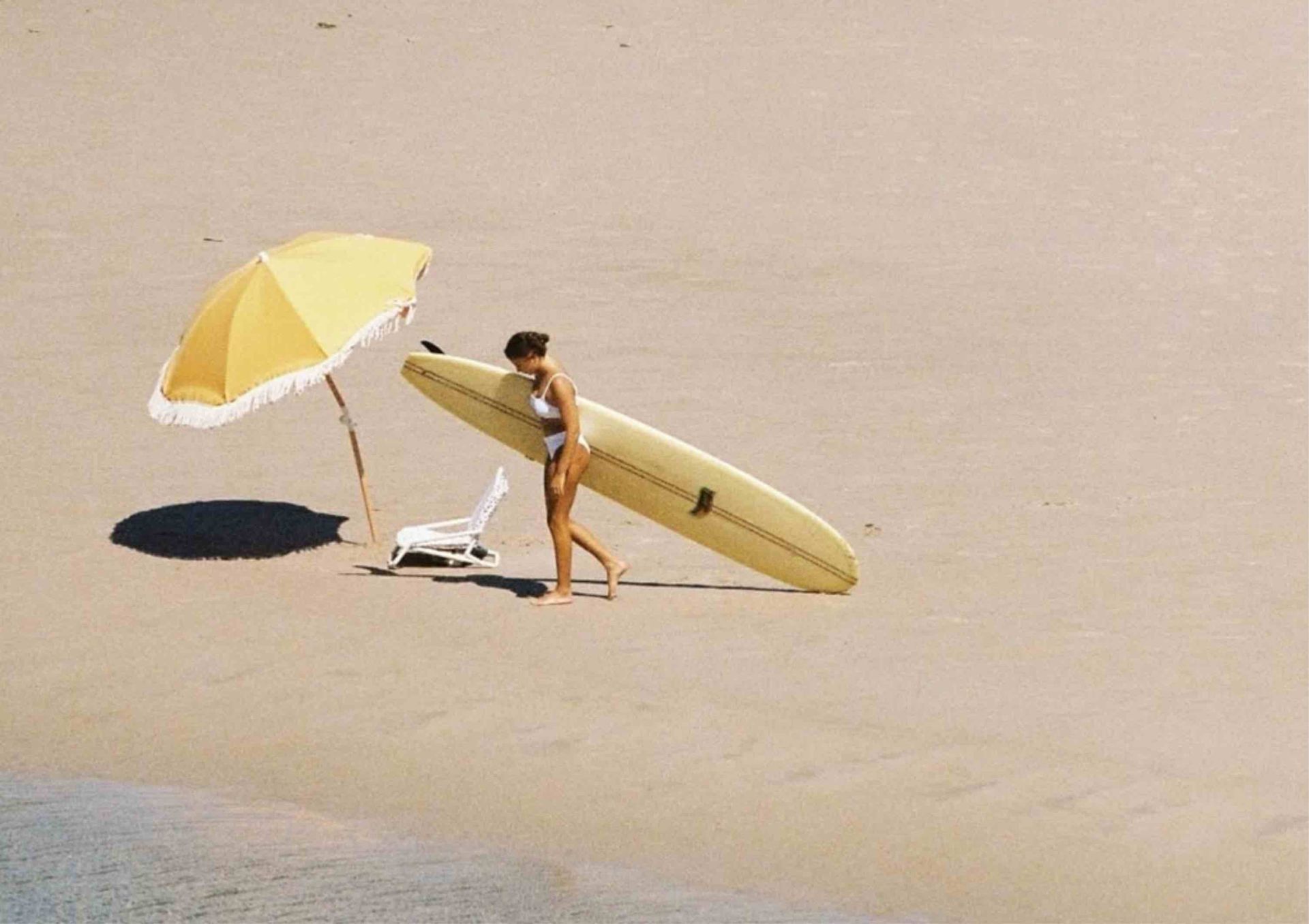
After a seaside vacation, the skin often becomes drier, tighter, or more sensitive. This is a natural response to the combined effects of sun exposure, seawater, wind, and high temperatures. To help your skin recover more quickly, a few simple steps are enough: rinse away salt and sunscreen residue, use a gentle cleanser, moisturize regularly, and avoid aggressive exfoliation immediately after sun exposure.
Proper post-beach skincare helps support the skin's natural protective barrier, reduces the feeling of dryness, and keeps the skin smooth, comfortable, and healthy-looking for longer.
Why Skin Becomes Dry After the Sea
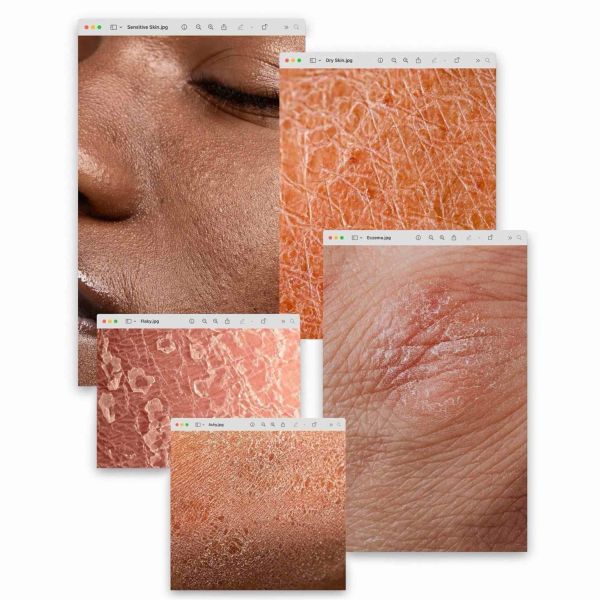
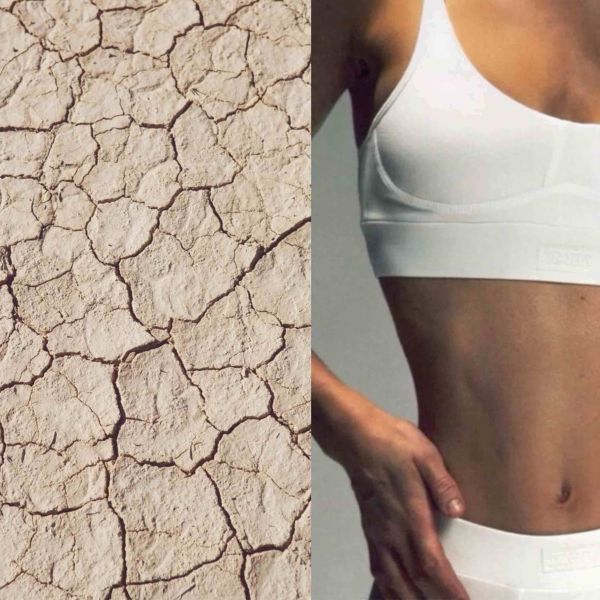
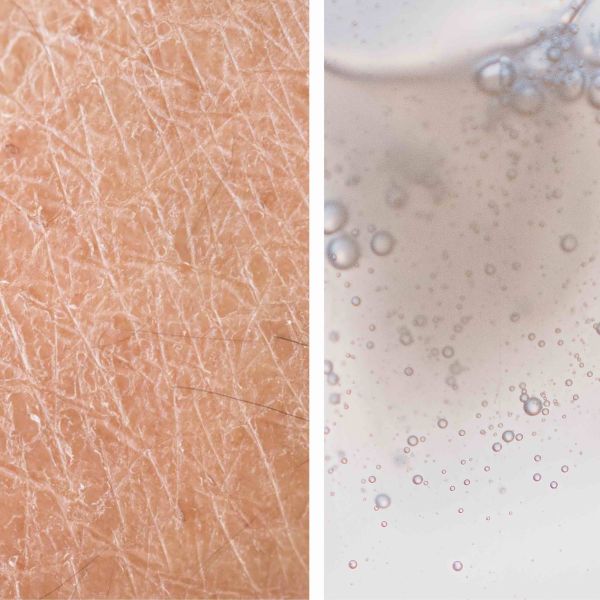
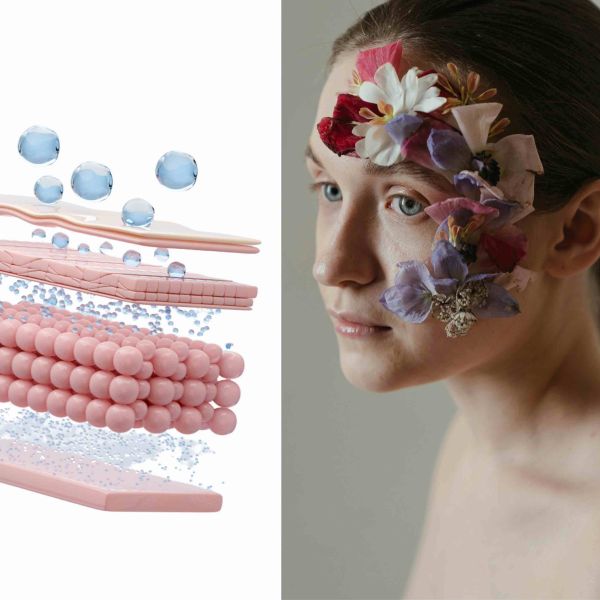
Many people assume that the sun is the only cause of dry skin after a beach holiday. In reality, several factors affect the skin at the same time. Ultraviolet (UV) radiation accelerates moisture loss, sea salt remains on the skin's surface and can increase the feeling of tightness, while wind further dehydrates the skin.
Even if you used sunscreen and did not get sunburned, after a few days at the beach your skin may feel less soft, become more sensitive, or start to flake.
Should You Shower Immediately After Swimming in the Sea?
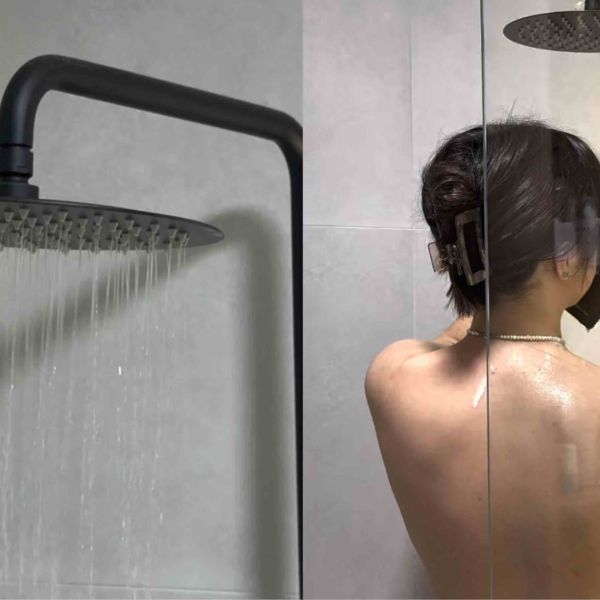
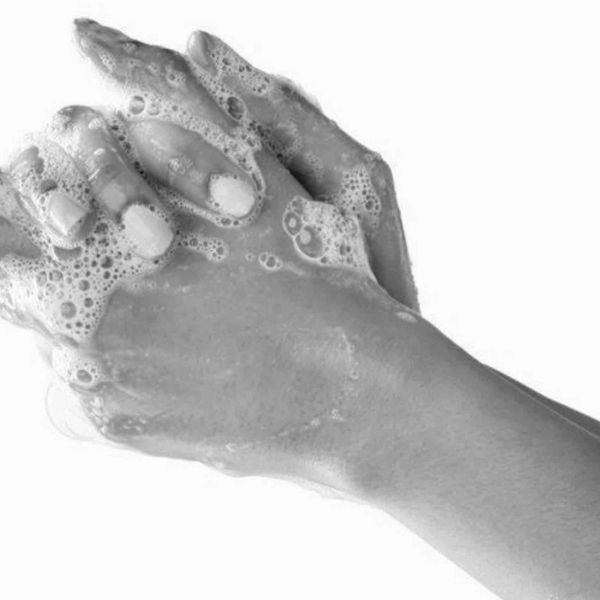
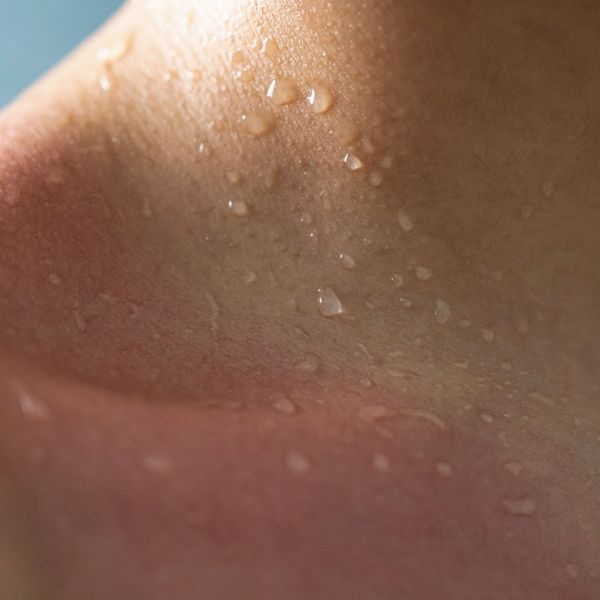
Yes. After swimming, it is recommended to rinse off sea salt, sand, and sunscreen residue. However, avoid very hot water, as it can further increase moisture loss. Instead, choose a warm shower and gentle cleansing products that do not strip the skin of its natural moisture.
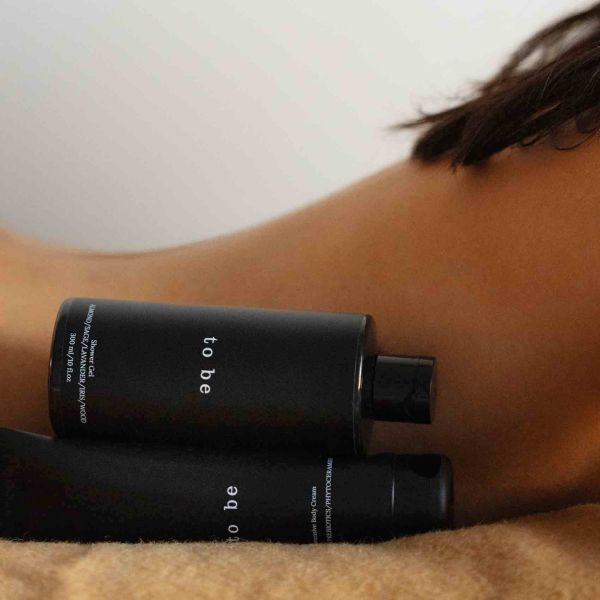
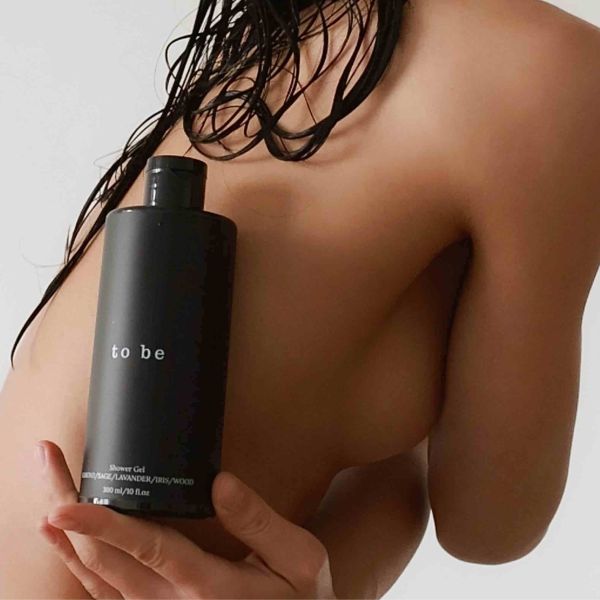
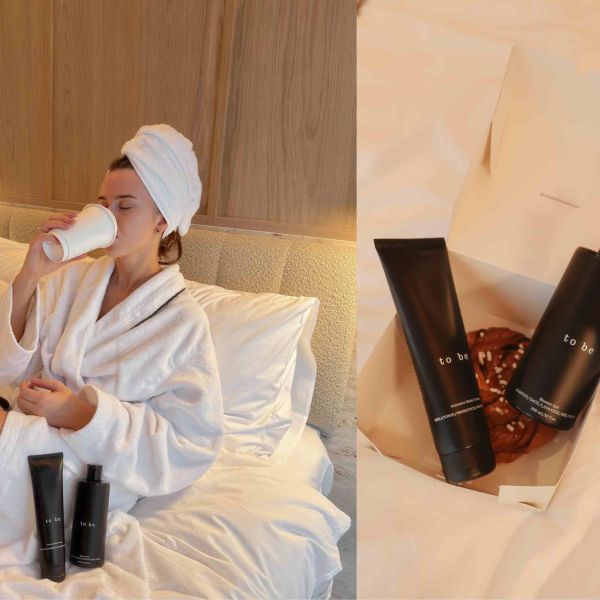
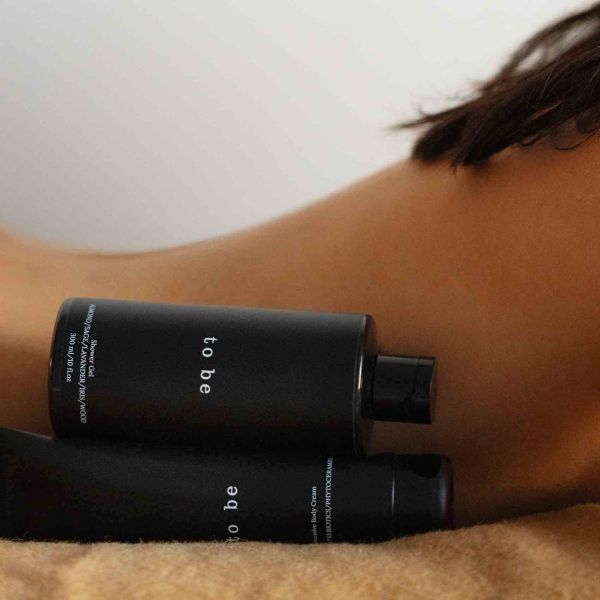
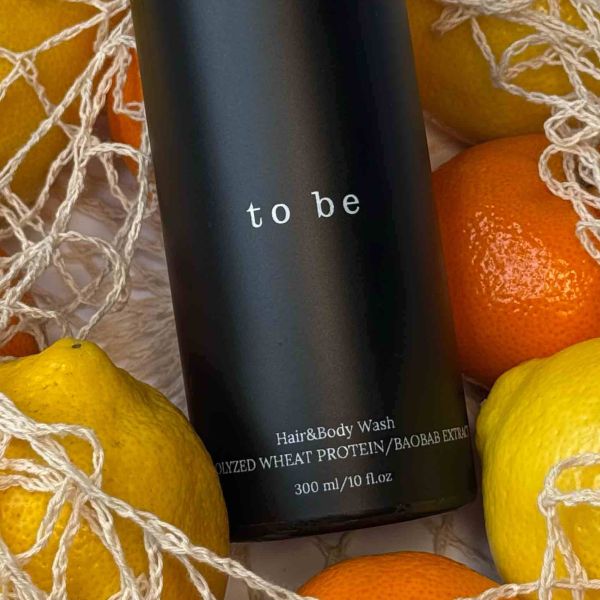
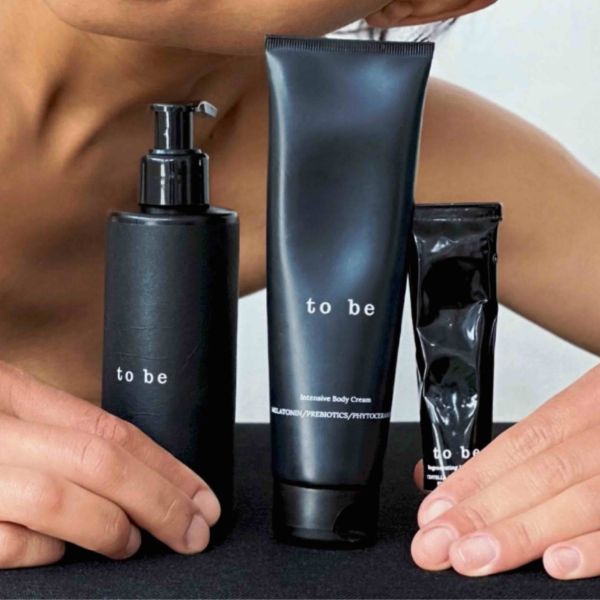
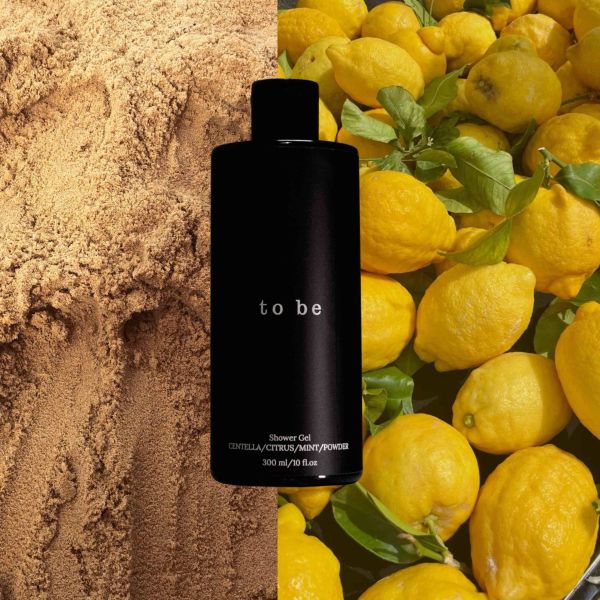
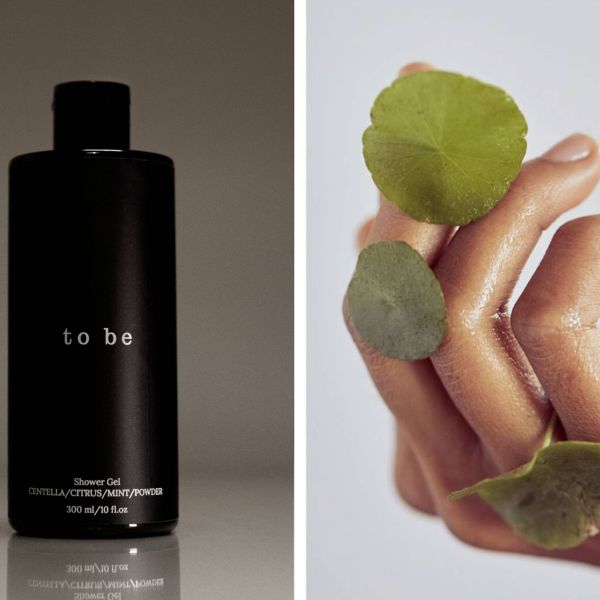
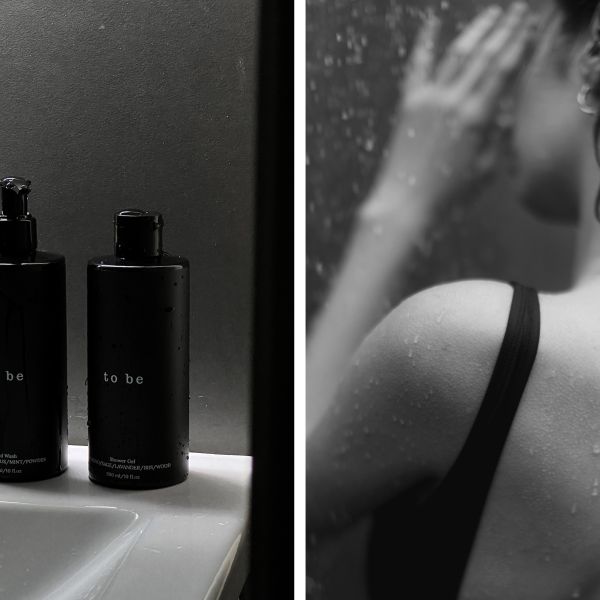
The 3-in-1 Moisturizing Shower Gel with Baobab and Wheat Protein gently cleanses the skin after exposure to the sun and seawater while helping maintain its natural balance. Its mild formula leaves the skin feeling comfortable rather than tight after showering and is suitable for everyday use.

Why restoring moisture is essential after the beach
After cleansing, the skin is especially receptive to skincare products. This is the ideal time to apply a body cream to help lock in moisture and support the skin's natural protective barrier.
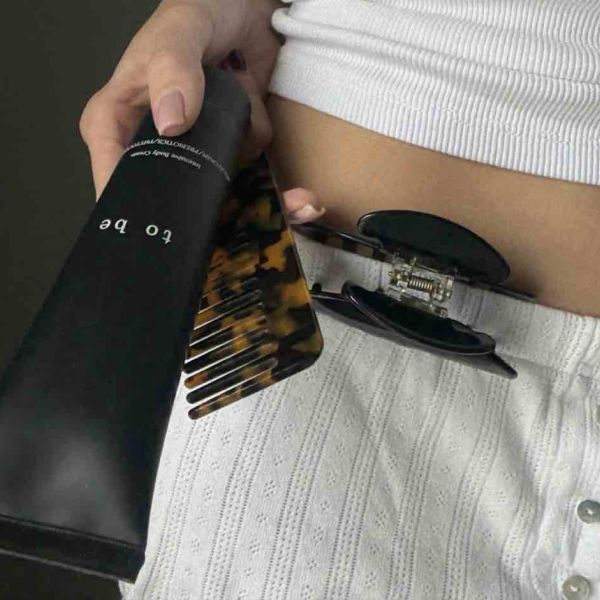
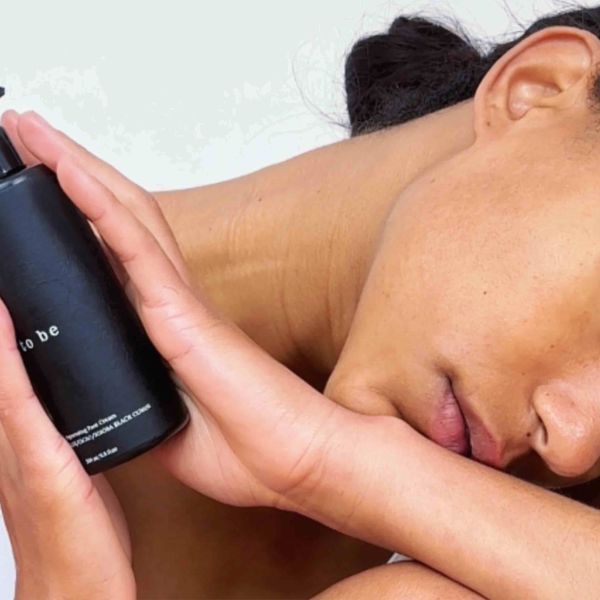
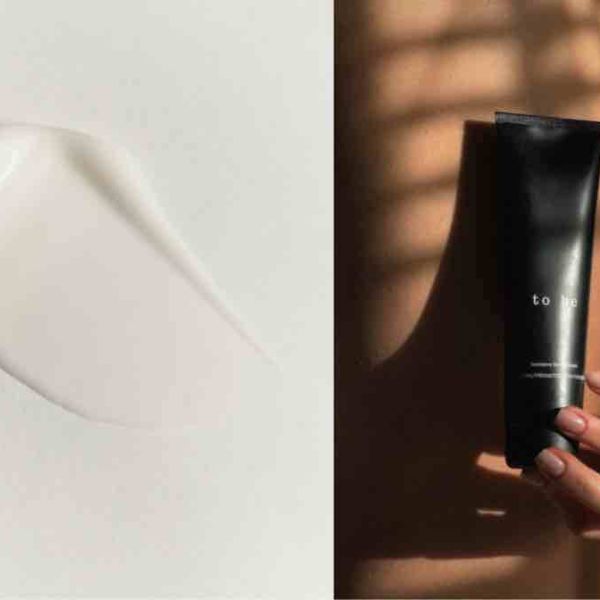
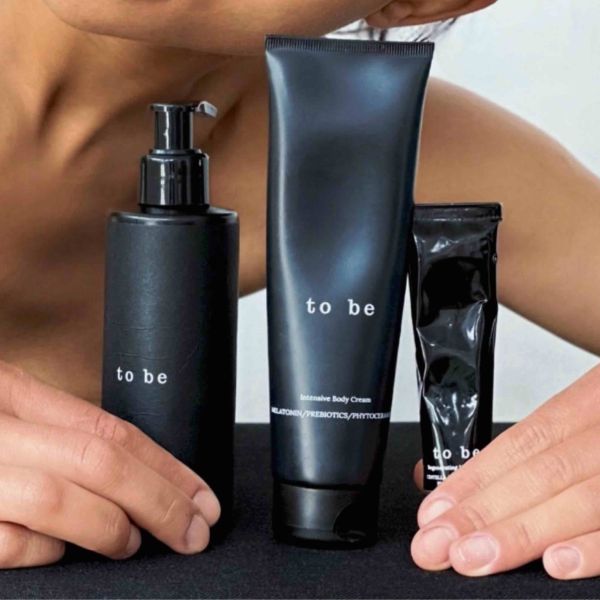
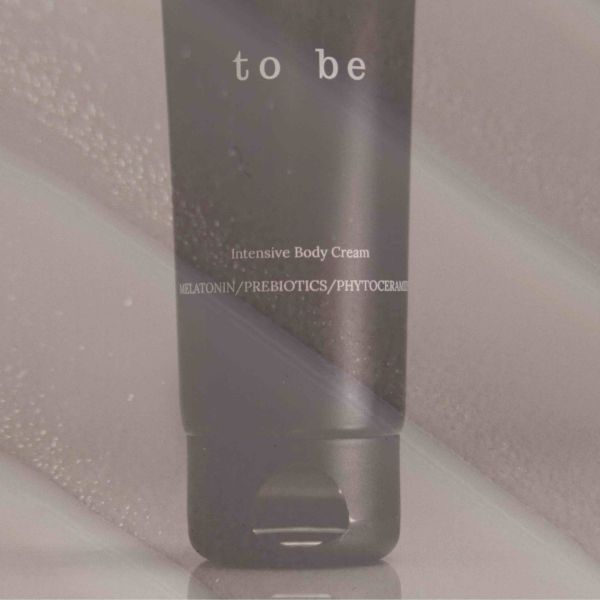
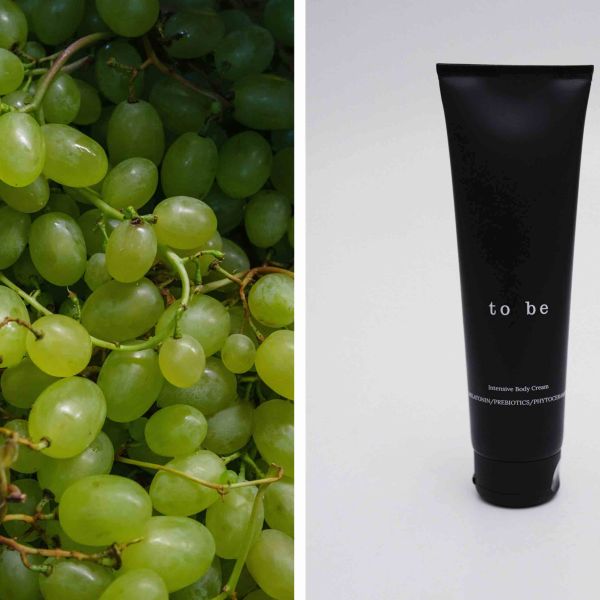
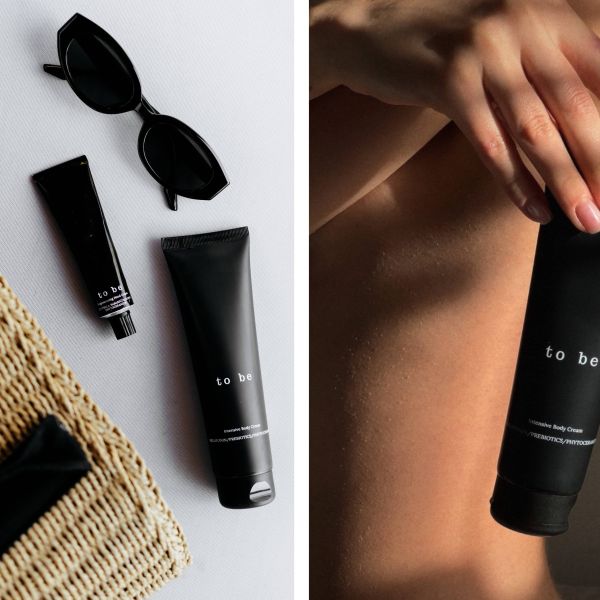
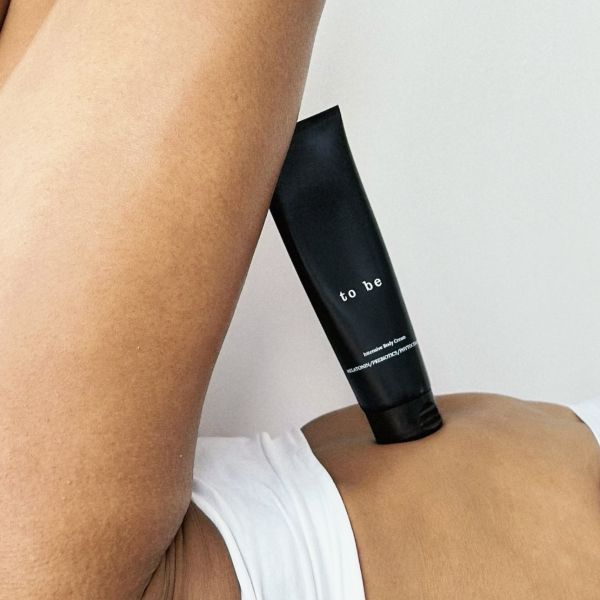
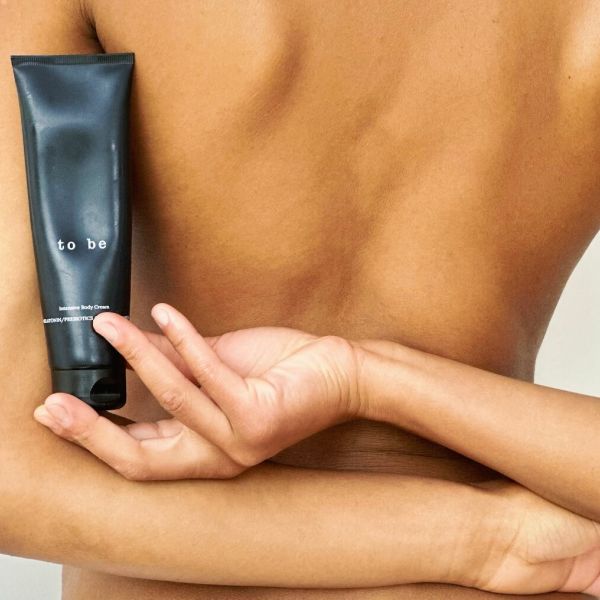
Intensive Lamellar Body Cream with Grape Melatonin is designed for dry skin that needs recovery after exposure to environmental stressors. Phytomelatonin helps the skin adapt to environmental stress, while phytoceramides support the skin barrier and promote long-lasting hydration.
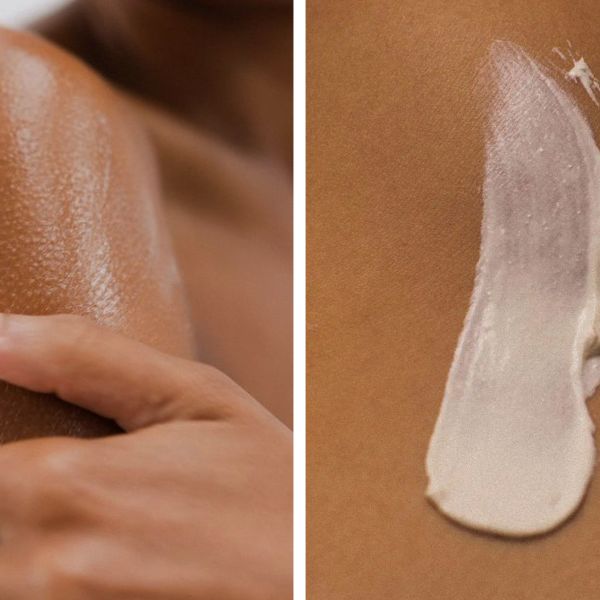
Thanks to its lamellar structure, the cream absorbs quickly without leaving a sticky residue, providing lasting comfort even after prolonged sun exposure.
Why proper skincare helps your tan look better for longer
Many people want their tan to last as long as possible after returning from vacation. In reality, how long a tan appears to last depends largely on the condition of the skin. When the skin is well hydrated, it looks smoother, more supple, and healthier, making the tan appear more even and natural. If the skin becomes overly dry and starts to flake, the outer layer of skin cells sheds more quickly, causing the tan to fade unevenly.
Regular moisturizing after time spent at the beach helps keep the skin comfortable and maintains its healthy, well-cared-for appearance.
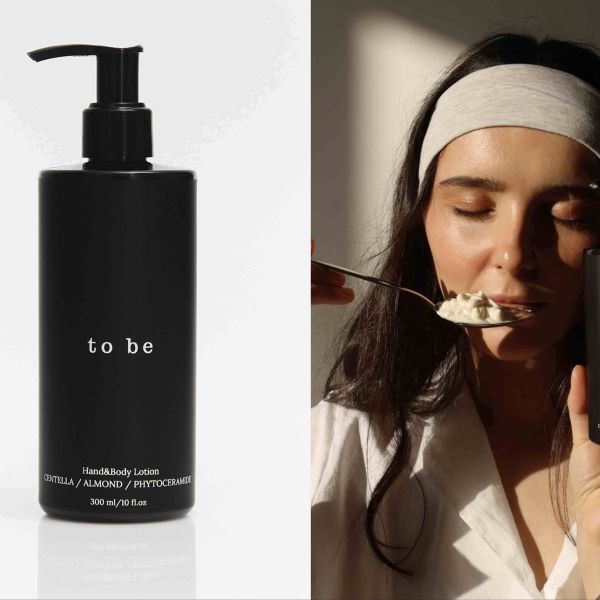
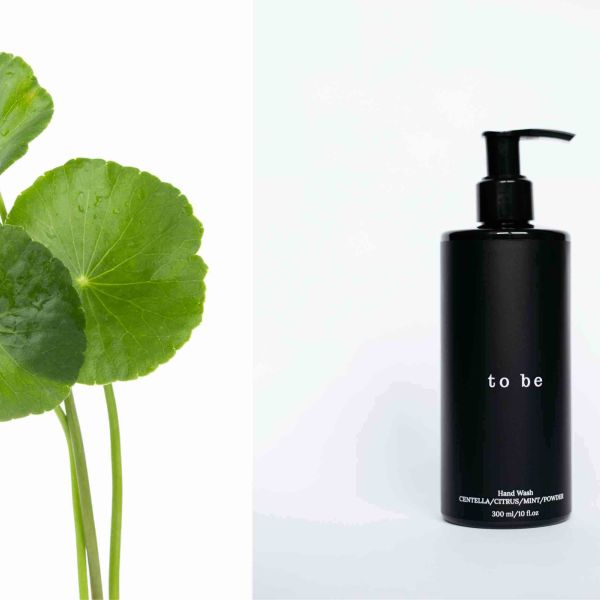
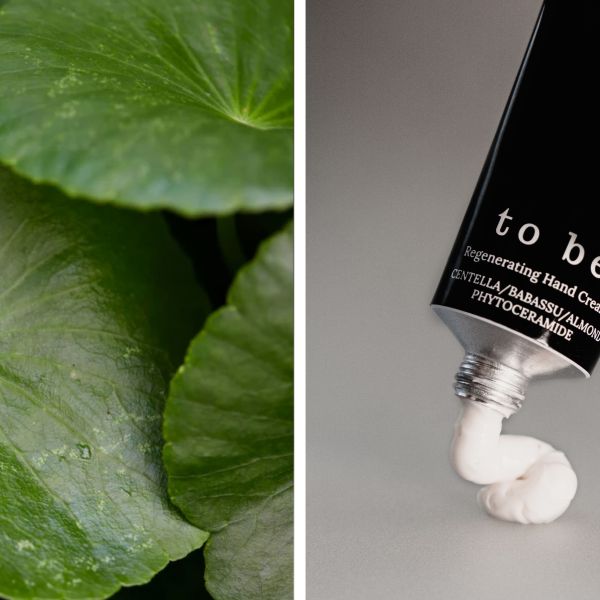
Moisturizing Body & Hand Lotion with Centella Asiatica helps maintain optimal hydration, reduces the feeling of dryness, and supports skin recovery after exposure to the sun and seawater.
Should you exfoliate after a beach vacation?
There is a common belief that you should exfoliate your skin immediately after returning from the beach. In fact, it's better not to rush.
If your skin is still sensitive or shows signs of redness, it's best to postpone exfoliation for a few days. Once the discomfort has subsided, gentle exfoliation helps remove dead skin cells, leaves the skin smoother, and enhances the effectiveness of your body cream.
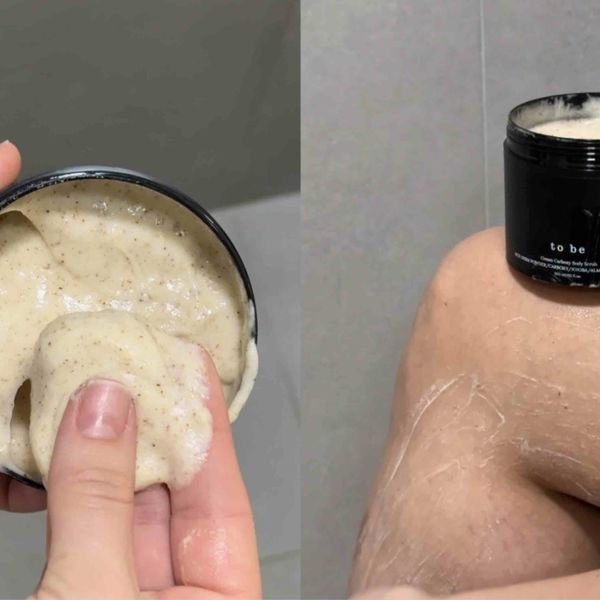
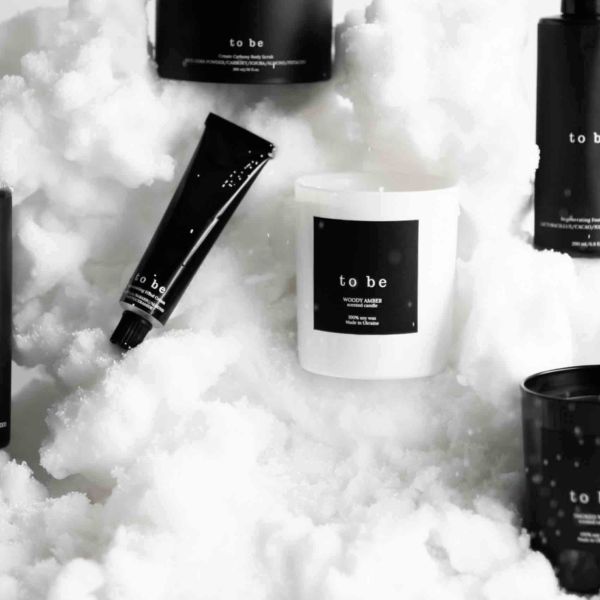
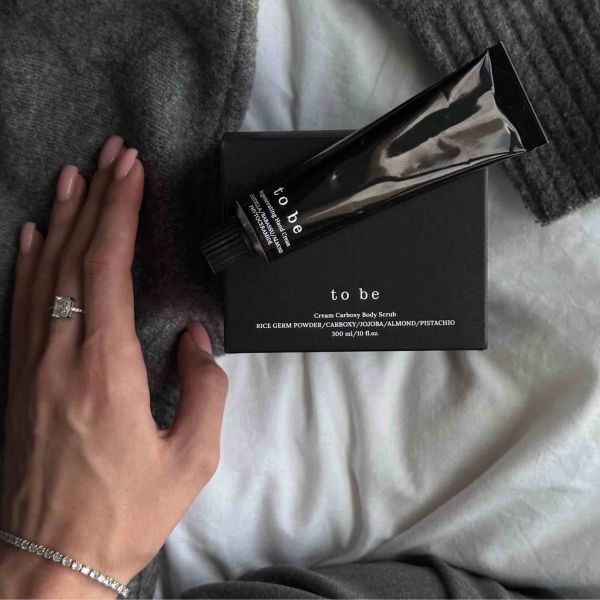
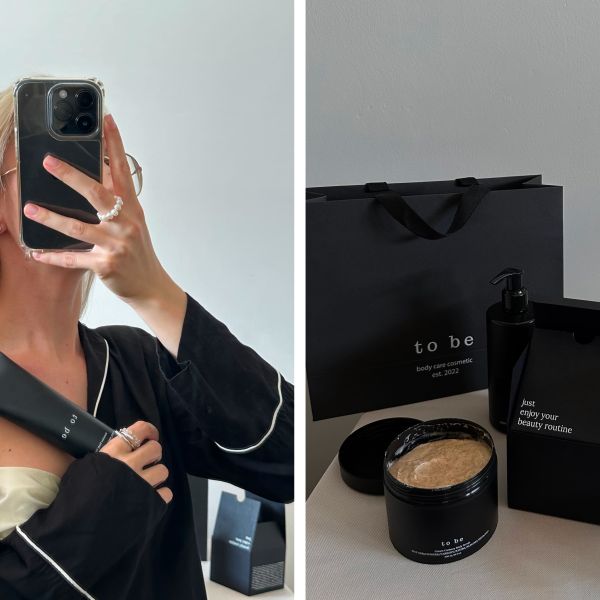
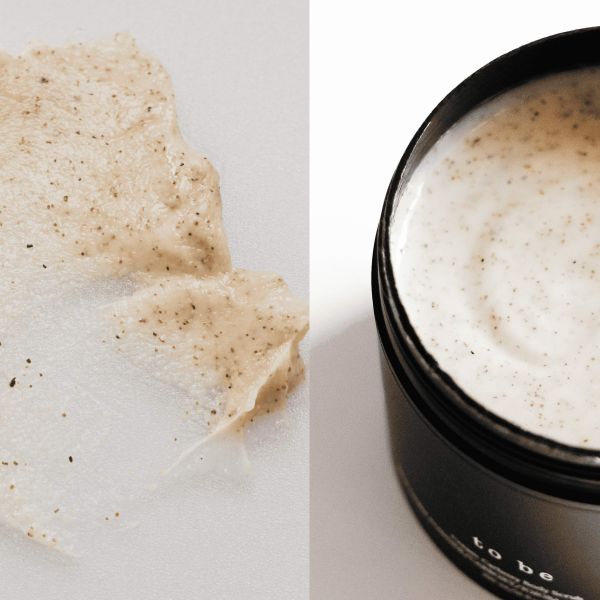
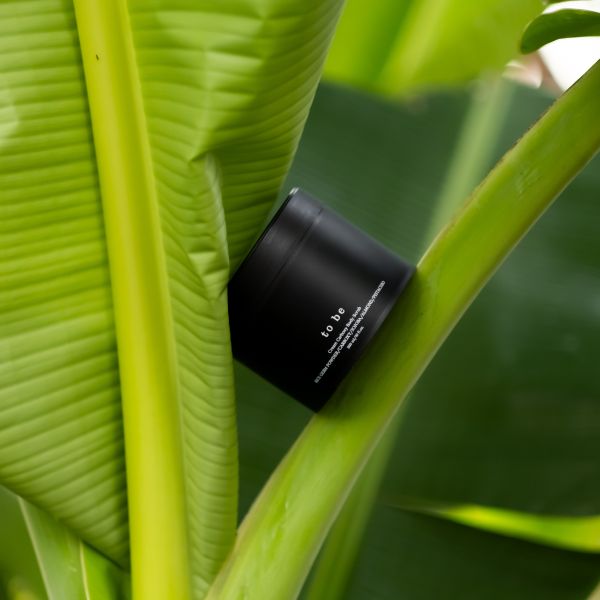
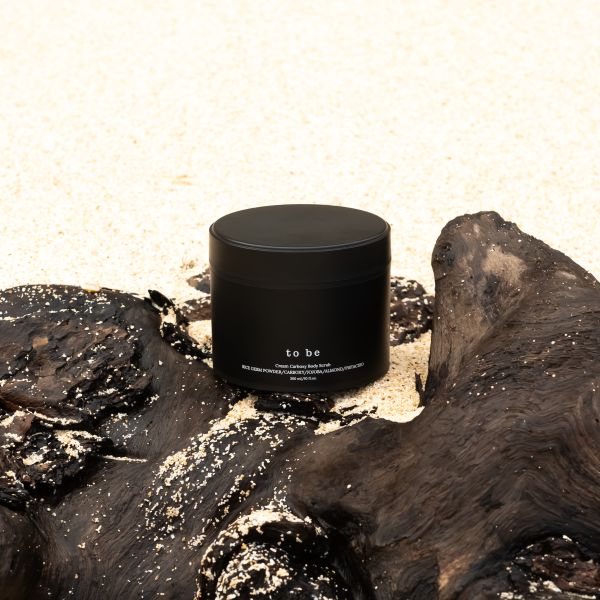
Creamy Carboxy Body Scrub with Rice Powder gently polishes the skin without harsh abrasion, helping maintain an even texture and natural softness.
Don't forget about your hands
During a beach vacation, your hands are constantly exposed to the sun, seawater, and sand, yet they are often overlooked in a skincare routine. As a result, the skin on the hands can lose moisture more quickly, becoming rougher and more sensitive.
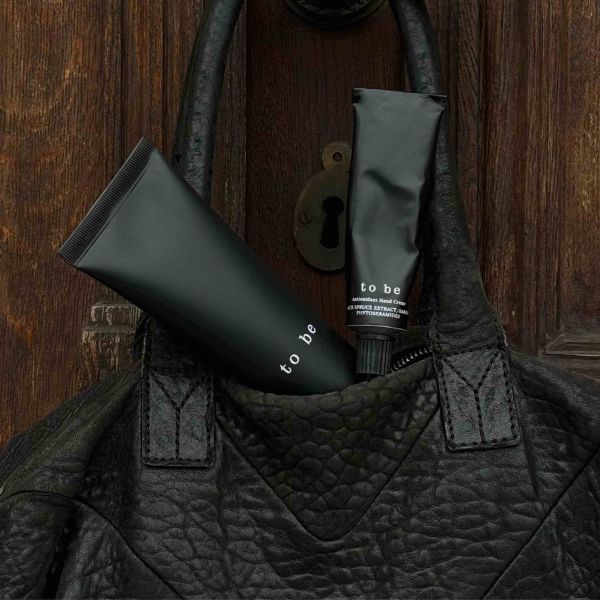
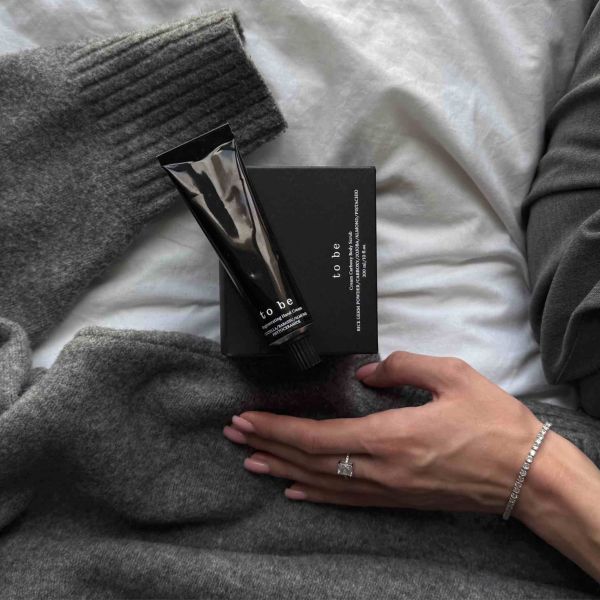
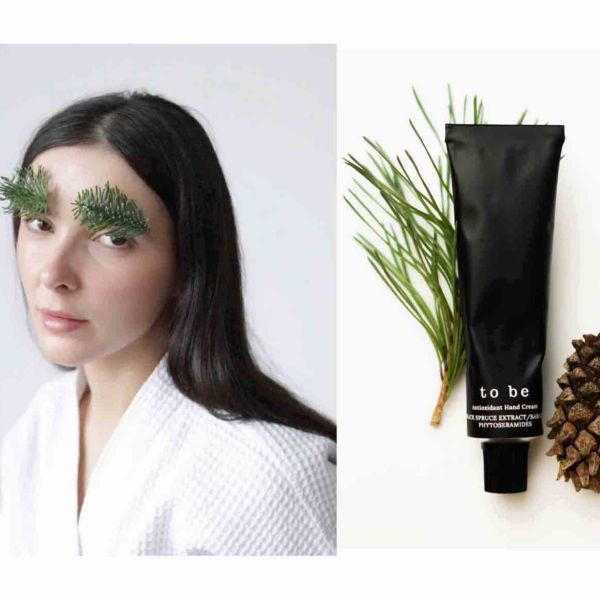
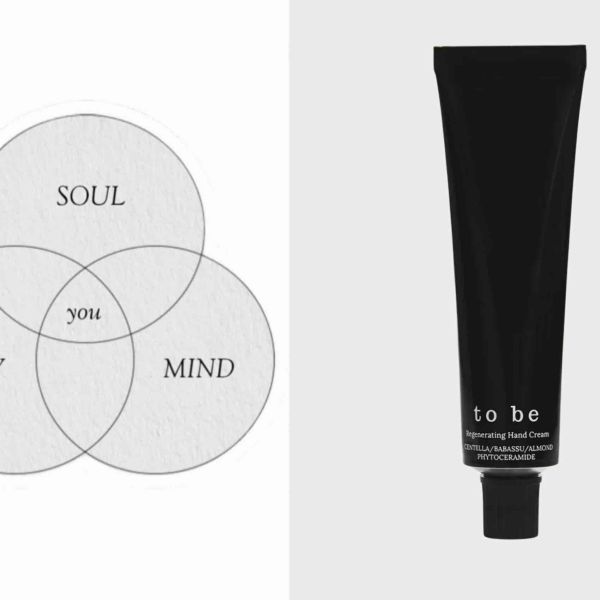
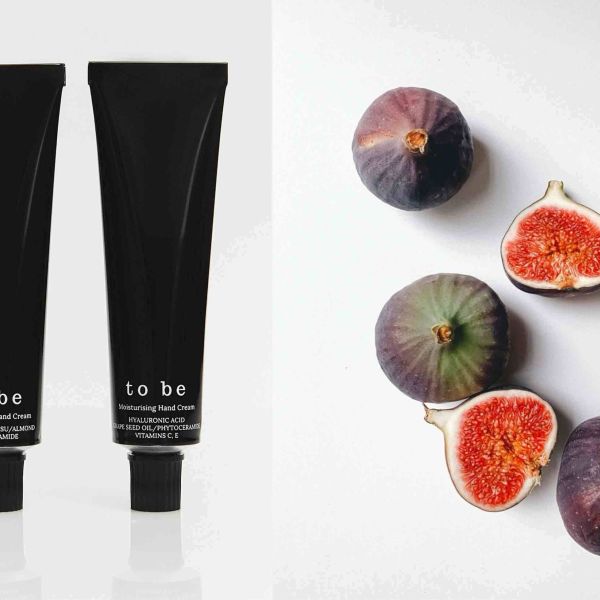
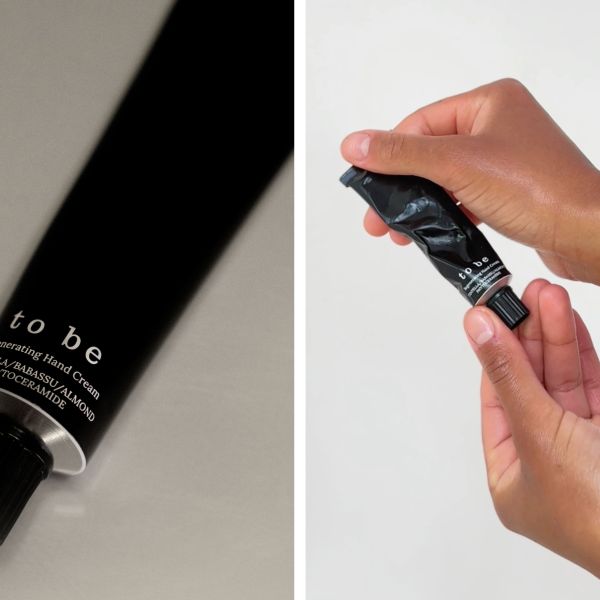
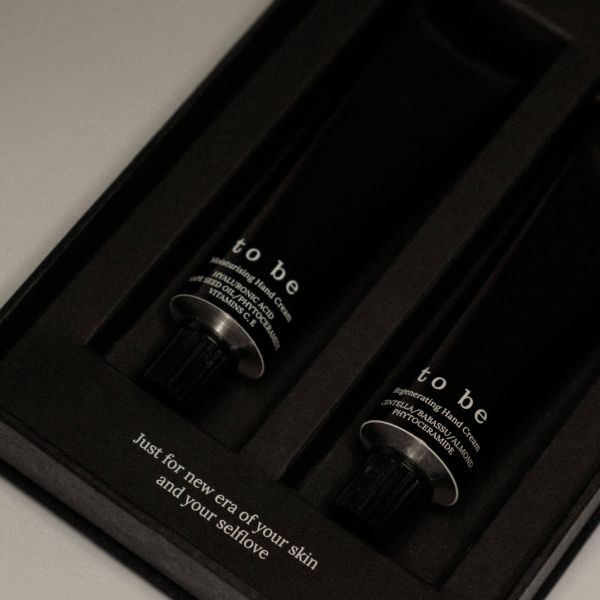
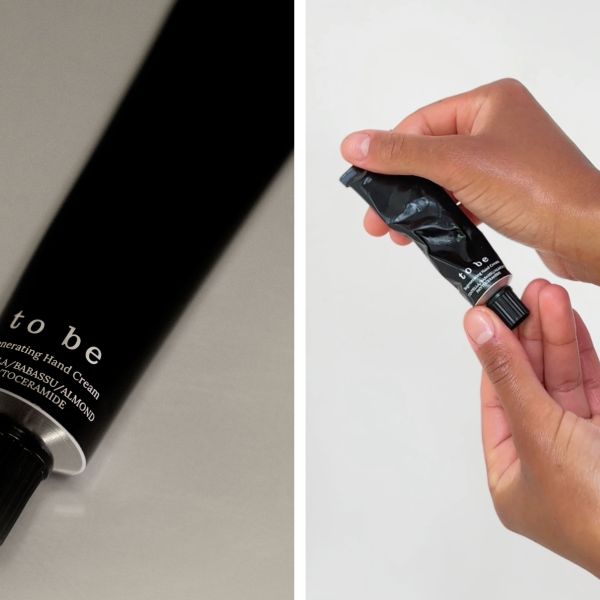
Antioxidant Hand Cream with Phytoceramides and Black Spruce Bark Extract helps keep the skin on the hands hydrated while protecting it from environmental stressors. BOREALINE® PROTECT Black Spruce Bark Extract, naturally rich in resveratrol, provides antioxidant protection and helps reduce the damaging effects of UV exposure—one of the factors that contributes to premature skin aging on the hands.
Take care of your feet, too
After a beach vacation, dryness often affects not only the body but also the feet. Hot sand, seawater, and open footwear can leave the heels feeling rougher and drier.
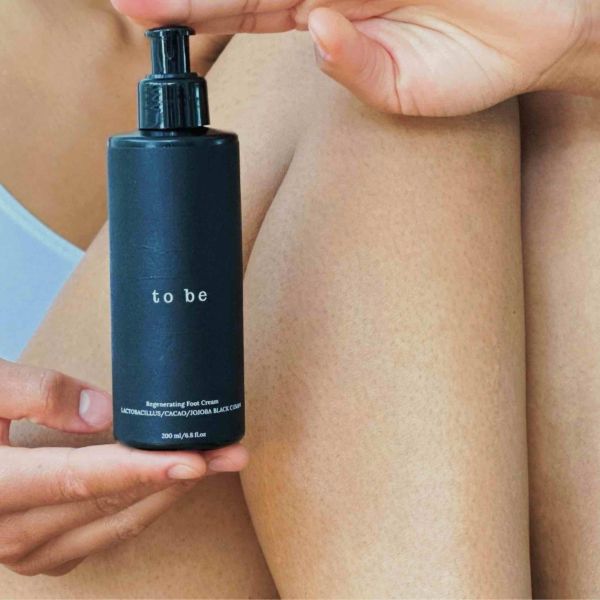
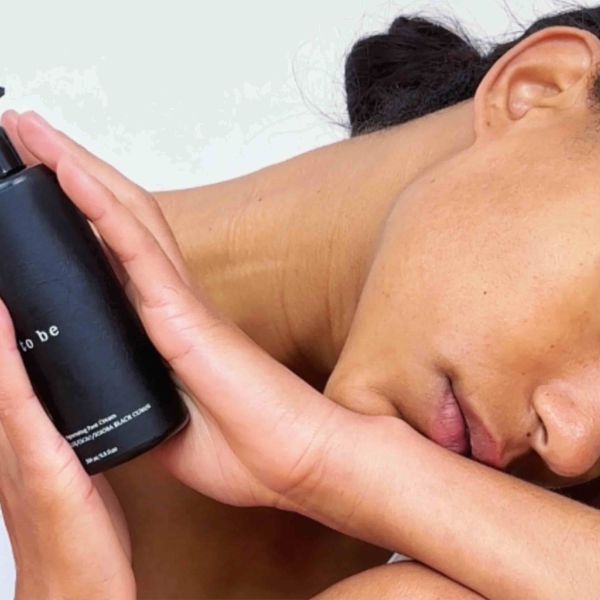
Regenerating foot cream with black cumin oil helps keep the skin on your feet soft and comfortable. Its lamellar base, black cumin oil, and nourishing ingredients help restore dry skin while supporting the skin's natural protective barrier.
How to care for your skin after returning home
Your skincare routine shouldn't end when your vacation does. During the following one to two weeks, your skin continues to recover from sun exposure. Cleansing with a gentle shower gel, moisturizing daily with a body cream, and caring for your hands and feet all help maintain skin comfort while reducing dryness and flaking.
Once your skin has fully recovered, you can introduce gentle exfoliation once or twice a week to help maintain smooth, even-textured skin.
Even a short time spent at the beach can affect your skin. Sun, seawater, and wind may leave it feeling drier and more sensitive. The right skincare routine helps restore comfort and keeps your skin looking healthy.
Gentle cleansing, regular moisturizing, and timely exfoliation support the skin's natural protective barrier and help it recover more effectively after summer. Consistent care is the key to keeping your skin smooth, soft, and healthy-looking for longer.
Share the publication: