Goosebumps on the arms and legs: why they appear and how to care for your skin properly

Small, rough bumps on the arms or legs that resemble goosebumps can remain even when the skin is well moisturized. People often try to remove them with harsh scrubs or vigorous rubbing, but this can have the opposite effect, leaving the skin even drier and more irritated.
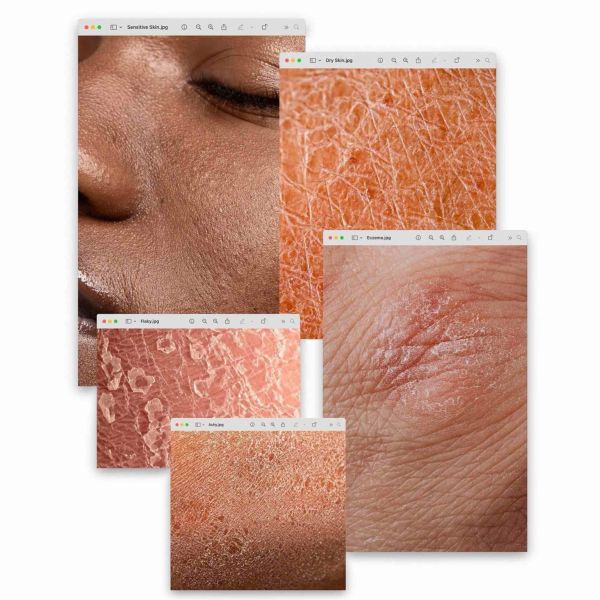
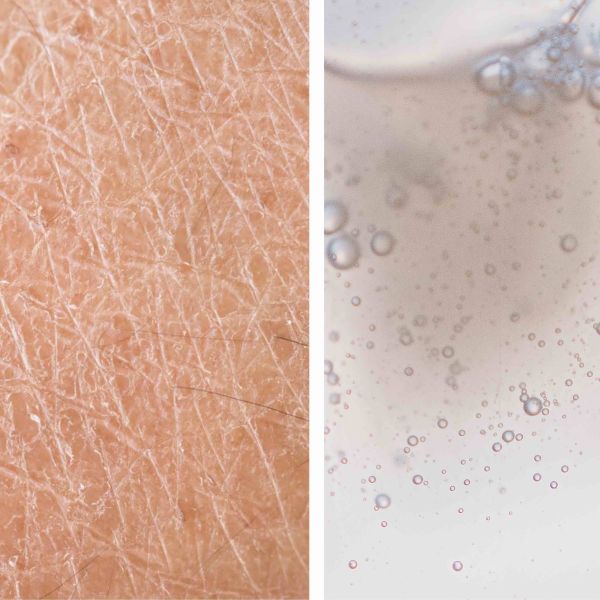
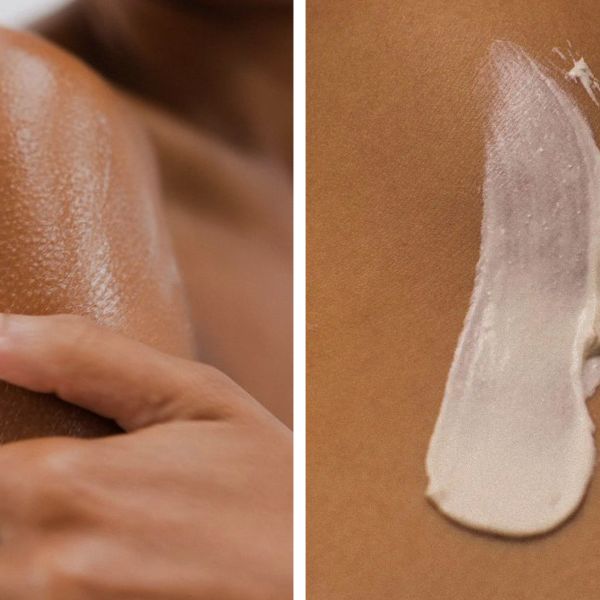
So-called “goosebumps” on the arms and legs are often a sign of keratosis pilaris, also known as follicular keratosis. It is a common and harmless skin condition in which small, rough bumps form around the hair follicles. They most commonly appear on the upper arms, thighs, and buttocks.
Why do goosebumps appear?
With keratosis pilaris, dead skin cells build up around the hair follicles and form small plugs. As a result, the skin becomes uneven and may feel rough, almost like sandpaper.
The tendency to develop this condition is often hereditary. Keratosis pilaris is also more common in people with dry skin, and the bumps may become more noticeable during colder months or when humidity levels are low.
Importantly, this is not acne, a result of insufficient cleansing, or a sign that the skin needs more vigorous scrubbing.
Can you get rid of goosebumps permanently?
Keratosis pilaris does not require treatment unless it bothers you. It also cannot be completely “scrubbed away.” However, proper skincare can help make the skin feel smoother, reduce dryness, and make the bumps less noticeable, although the tendency for them to reappear may remain.
The main goal of at-home care is therefore not to aggressively remove the bumps, but to work gently and consistently on improving the skin’s texture.
How to care for goosebumps properly
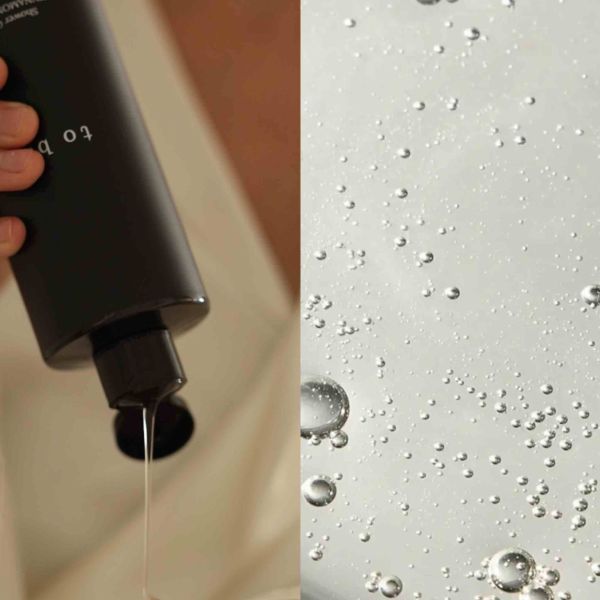
The first step is gentle cleansing. Hot water, long showers, and harsh cleansing products can increase dryness and make keratosis pilaris more noticeable. It is better to use warm water and a gentle shower gel that does not leave the skin feeling tight.
The second step is exfoliation. For keratosis pilaris, dermatologists often recommend products containing keratolytic ingredients such as urea, lactic acid, glycolic acid, or salicylic acid. These ingredients help reduce the buildup of dead skin cells.
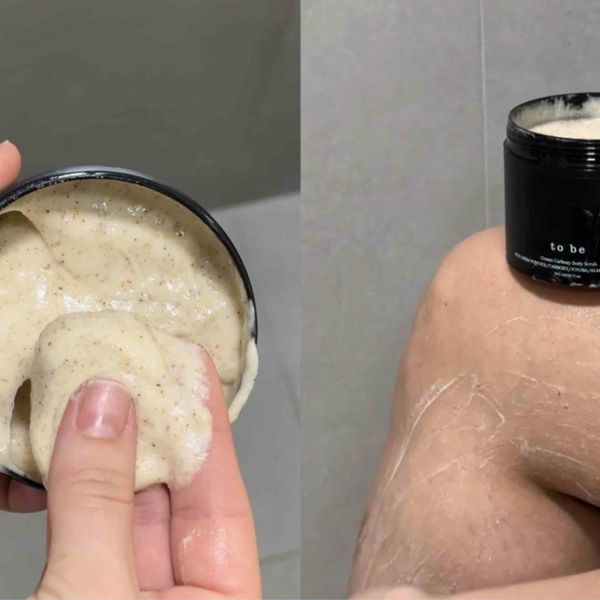
Mechanical exfoliation should also be as gentle as possible. There is no need to try to “polish away” the bumps in one session — excessive friction can irritate the skin and make the condition more noticeable.
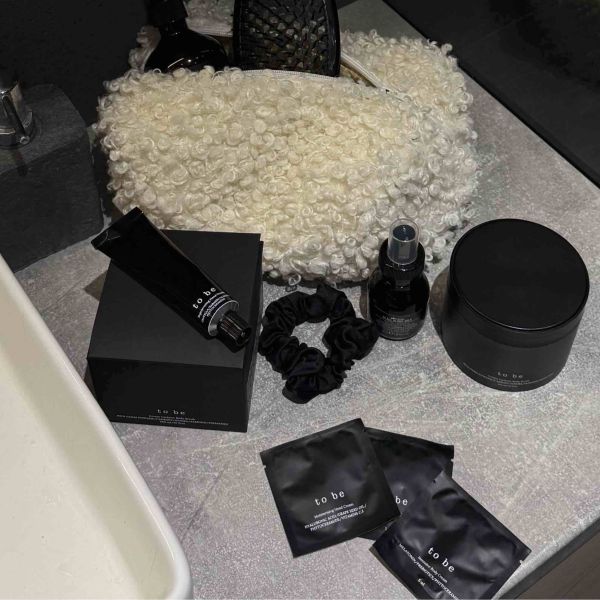
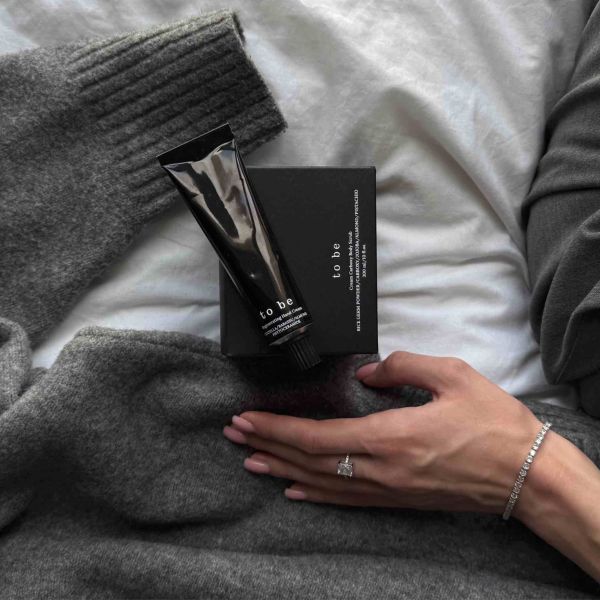
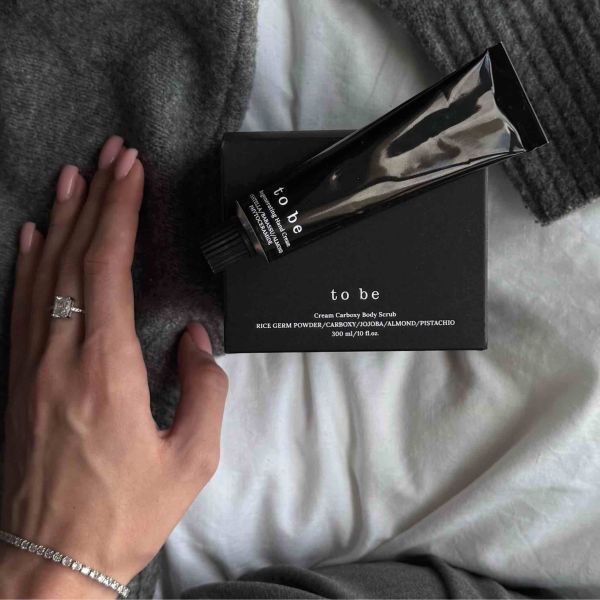
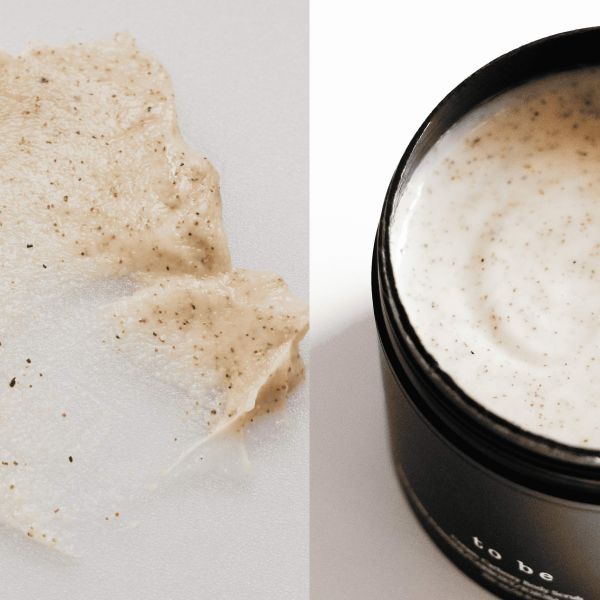
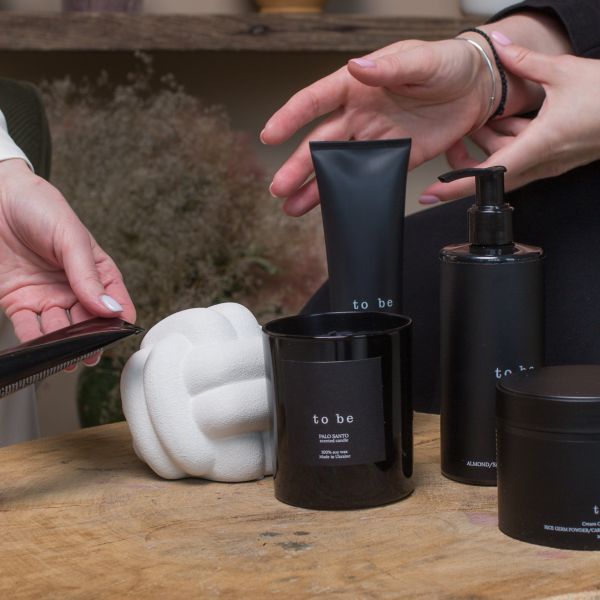
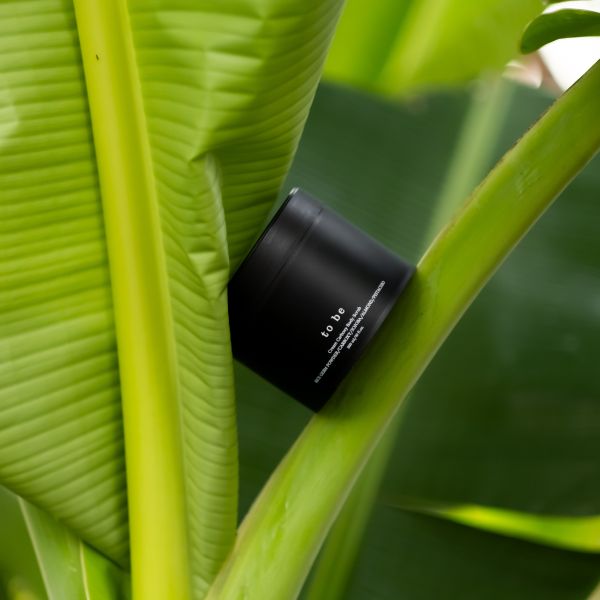
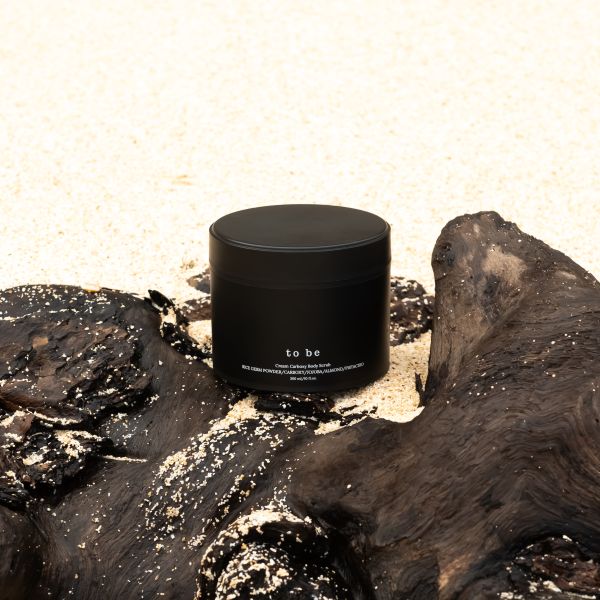
For occasional gentle exfoliation, you can use the to be creamy carboxy body scrub with rice powder. Apply it without excessive pressure and think of it as a way to help maintain smoother skin rather than as a treatment for keratosis pilaris.
Why is moisturizing important after exfoliation?
One of the most common mistakes is exfoliating the skin intensively without moisturizing it sufficiently.
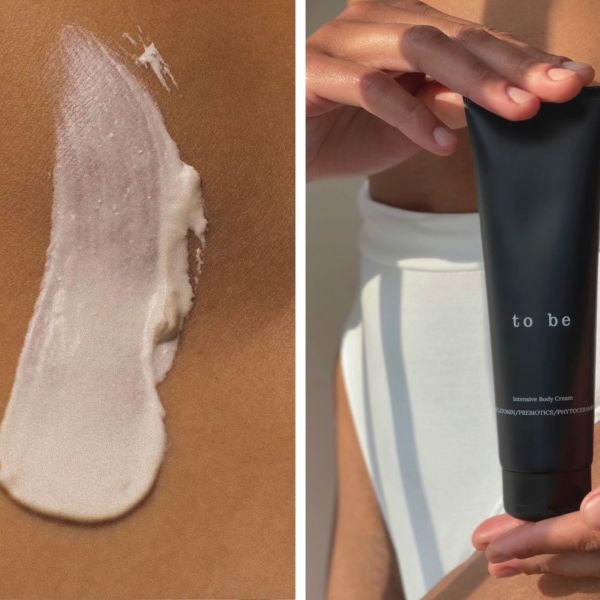
Dry skin can make keratosis pilaris more noticeable, so regularly applying a body cream or lotion is one of the key steps in a skincare routine. Dermatologists recommend applying a moisturizer after showering while the skin is still slightly damp.
For lightweight daily care, you can choose the to be body lotion with Centella Asiatica. Its formula with plant oils, phytoceramides, and moisturizing ingredients helps support the skin barrier and maintain softness.
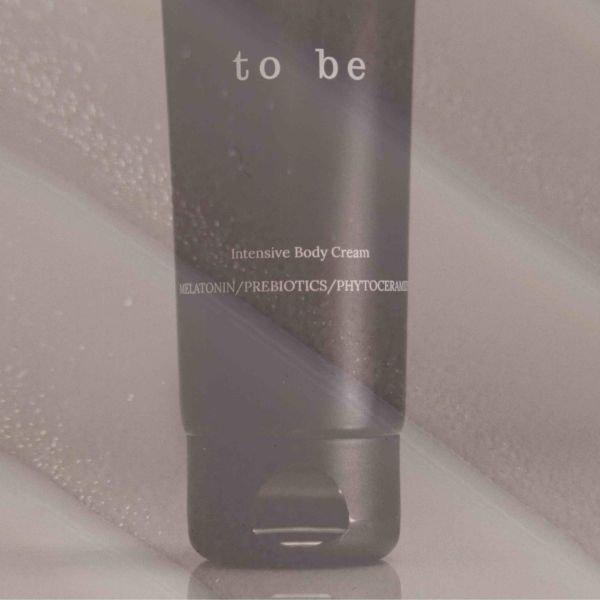
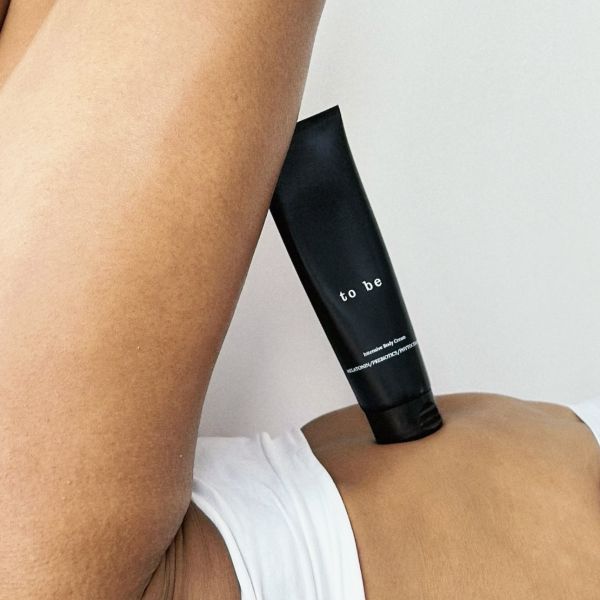
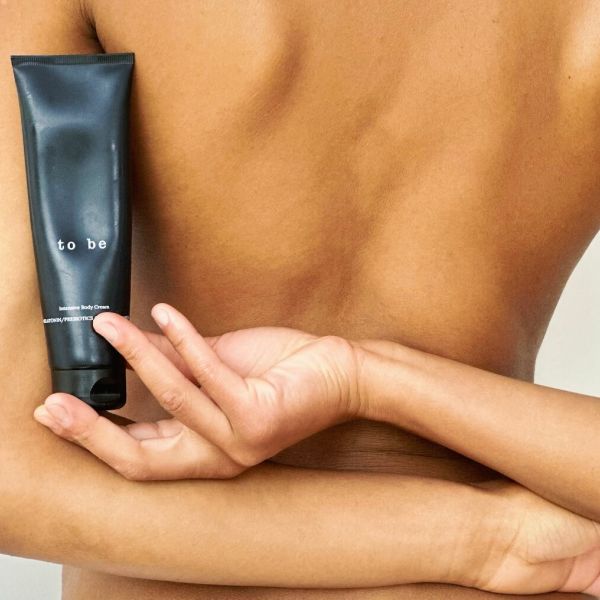
If the skin is particularly dry and rough, the to be lamellar body cream with grape melatonin may be a better choice. Its lamellar base, plant-derived squalane, shea and jojoba oils, phytoceramides, and prebiotic complex help support the lipid barrier and reduce moisture loss.
What should you avoid if you have goosebumps?
The most common mistake is trying to get rid of the uneven texture as quickly as possible. Daily scrubbing, stiff brushes, vigorous rubbing with a washcloth, or using several exfoliating products at the same time can irritate the skin.
You should also avoid squeezing individual bumps, as this can damage the skin and cause inflammation.
A much more effective approach is gentle cleansing, controlled exfoliation, and regular moisturizing. With keratosis pilaris, visible improvement usually takes time and consistent skincare.
When should you see a dermatologist?
If you are not sure whether the small bumps on your skin are actually keratosis pilaris, it is best not to diagnose the condition yourself. Similar skin changes can have other causes.
Consulting a dermatologist is especially advisable if you experience significant redness, inflammation, severe itching, or if your at-home skincare routine does not improve the condition.
Goosebumps are a very common skin characteristic and are not harmful in themselves. Instead of trying to fight them with aggressive methods, it is better to focus on a consistent skincare routine: cleanse the skin gently, avoid over-exfoliation, and keep it moisturized every day. Consistency is what helps make the skin’s texture feel smoother and look more cared for.
Share the publication: