Why skin gets dry when the heating season starts—and what to do about it
As soon as the heating comes on, your skin may start to feel different: tight after a shower, dry around the shins, with hands needing cream more often and your usual body lotion no longer providing the same comfort.
This does not necessarily mean your skincare has stopped working. The conditions around your skin have changed. Cold air outdoors, warmth indoors and low humidity can cause skin to lose water more quickly, leaving its protective barrier in need of extra support.
How indoor heating affects your skin
When radiators and other heating systems are running, indoor relative humidity often drops. The drier the air, the greater the difference in moisture levels between the skin’s upper layers and the surrounding environment. This encourages faster moisture loss from the skin’s surface.
Add cold weather and wind, frequent moves between chilly outdoor air and warm rooms, and hot showers, and skin can become noticeably drier—even in people who do not usually experience dryness during the rest of the year.
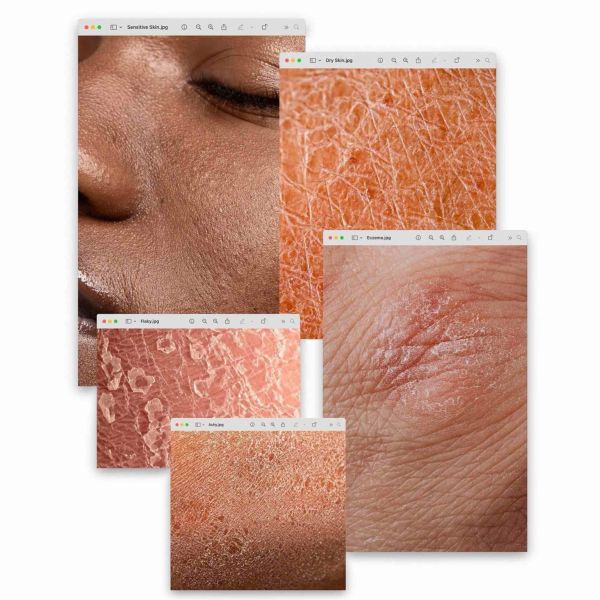
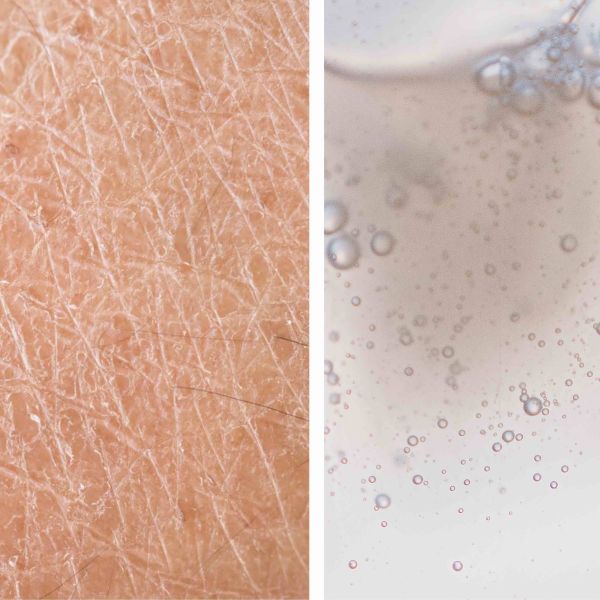
Areas that naturally have fewer oil glands, such as the shins, elbows and hands, are often the first to react. Skin may feel rough or tight, with mild flaking and sometimes itching.
Why simply drinking more water is not enough
One of the most common pieces of advice for dry skin is to drink more water. Getting enough fluids is essential for your body, but if you are not dehydrated, an extra glass of water alone will not resolve skin dryness.
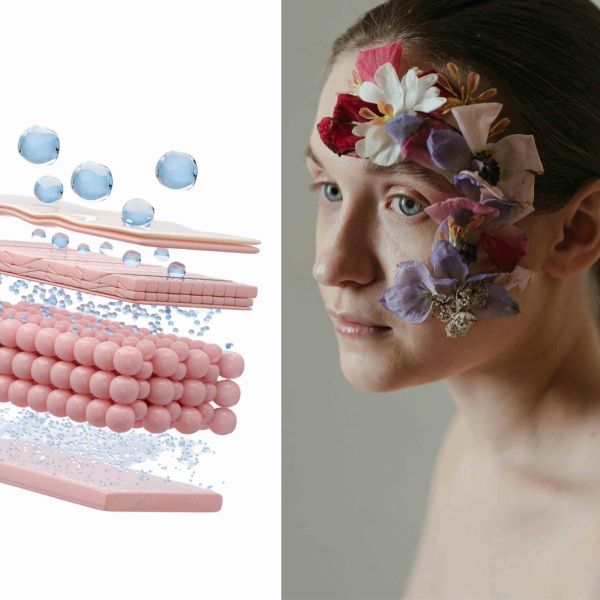
The condition of your skin’s protective barrier plays an important role. Think of the outermost layer as a structure in which skin cells are surrounded by lipids. When this structure functions properly, it helps retain water. When the barrier is weakened, moisture escapes more quickly.
During the heating season, skincare should therefore do more than supply hydrating ingredients: it should also help reduce moisture loss and support the skin’s lipid barrier.

Start with your shower
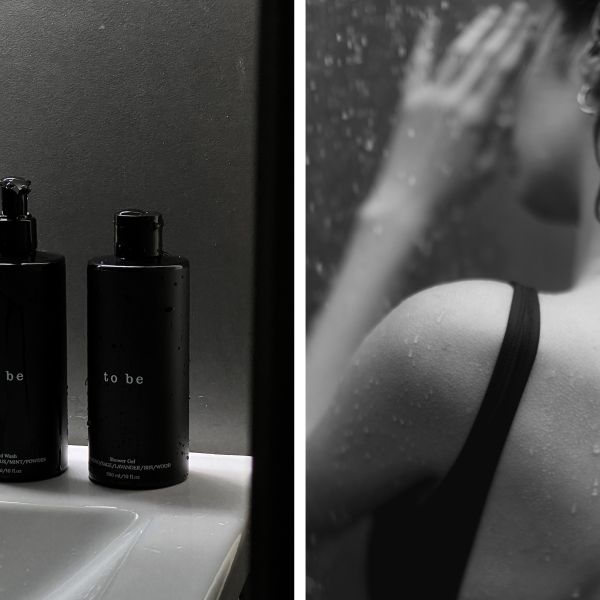
Sometimes the problem starts before you even apply a cream. Long, hot showers, especially twice a day, can make dryness worse. The urge to turn up the temperature in autumn and winter is understandable, but comfortably warm water is a better choice for your skin.
Your cleanser matters, too. A shower gel should remove impurities effectively without leaving skin feeling “squeaky clean” or tight.
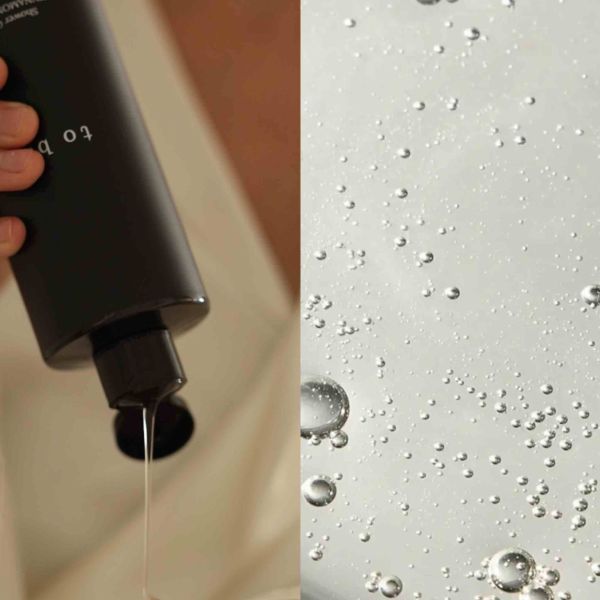
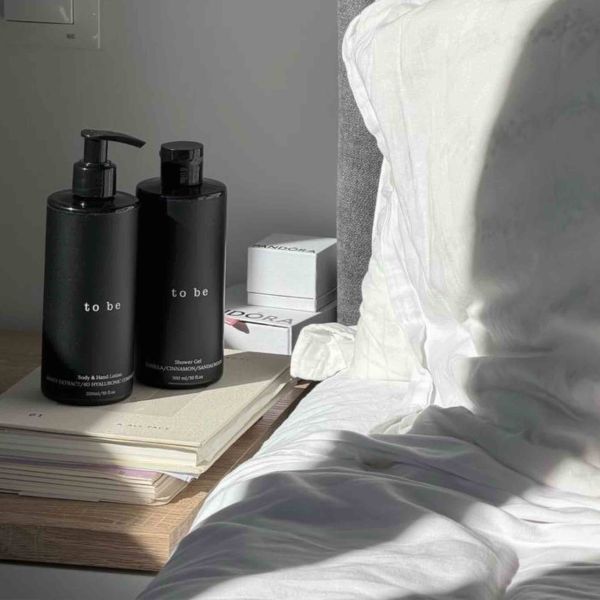
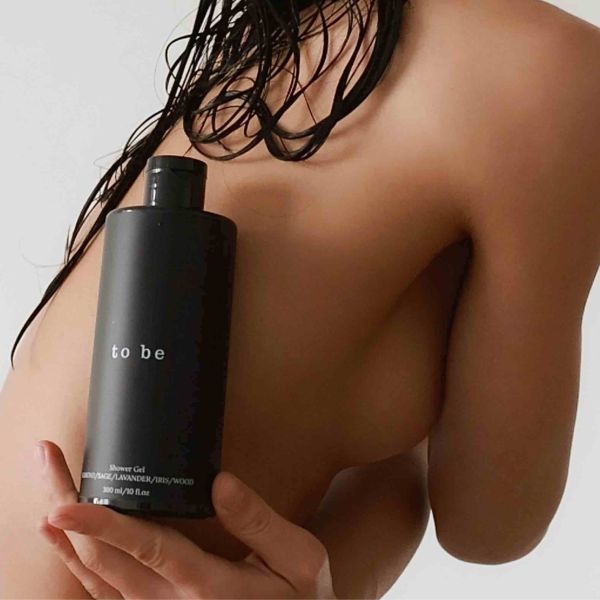
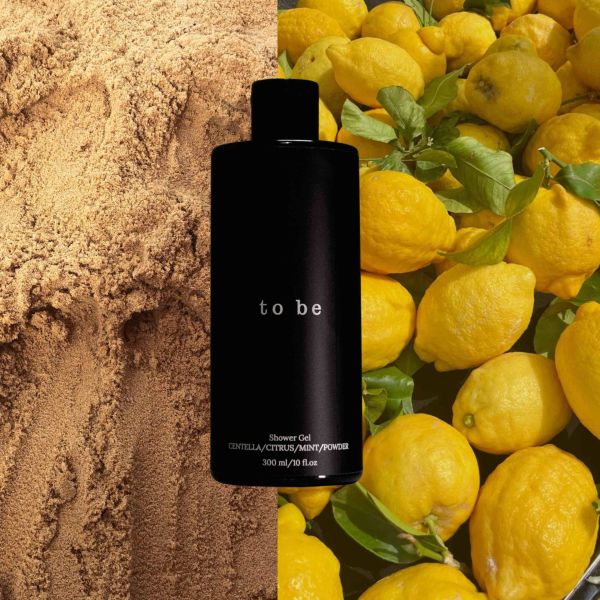
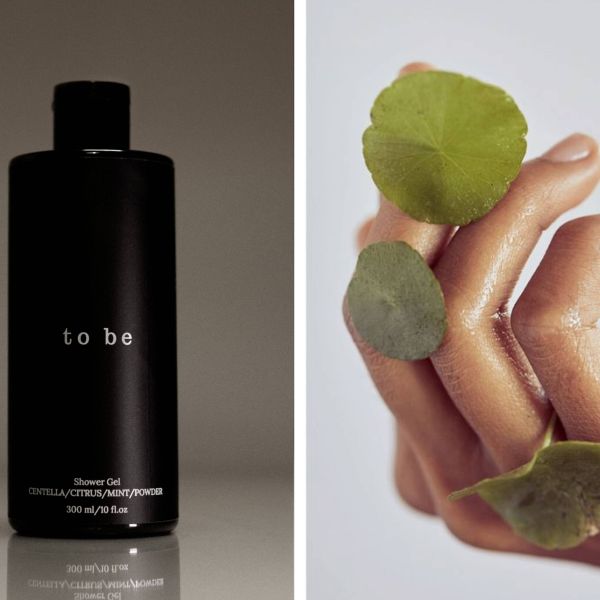
That is why we use gentle cleansing systems in to be shower gels, developing formulas for daily cleansing that do not leave skin feeling dried out.
Do not wait until your skin starts to flake
One of the simplest changes you can make when the heating season begins is to apply a body moisturiser regularly, before noticeable dryness develops.
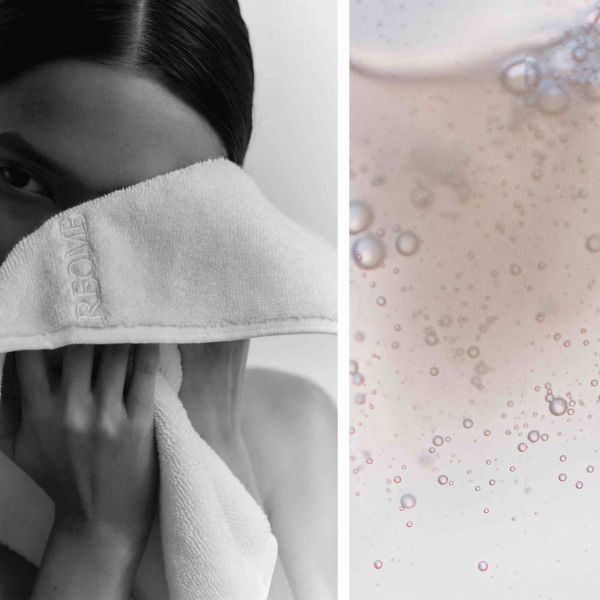
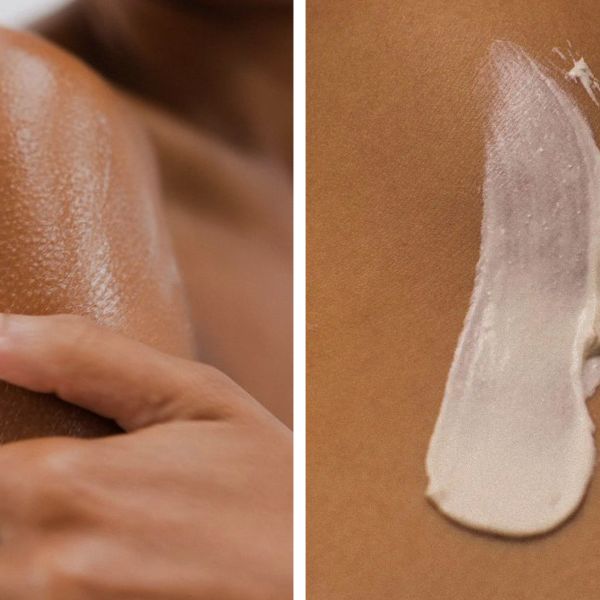
The best time is just after a shower. You do not need to leave your skin wet: gently pat it with a towel, then apply a lotion or cream while it is still slightly damp.
Formulas for dry skin benefit from a combination of different ingredient types. Humectants help maintain water content in the skin’s upper layers, emollients soften and smooth its surface, and lipids help support its protective barrier.
This combination often matters more than simply choosing the thickest texture available.
Lotion or cream: which should you choose during the heating season?
Not everyone needs to switch to a rich cream as soon as the weather turns cold. If your skin has only started to feel drier, without noticeable flaking or discomfort, a lotion may be enough for daily care.
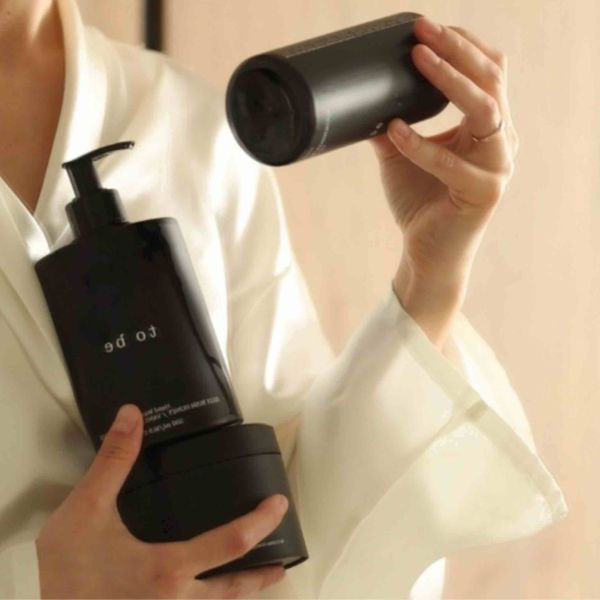
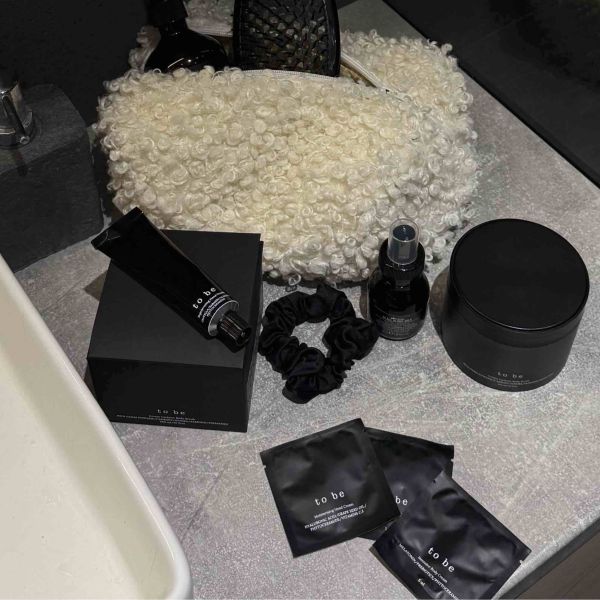
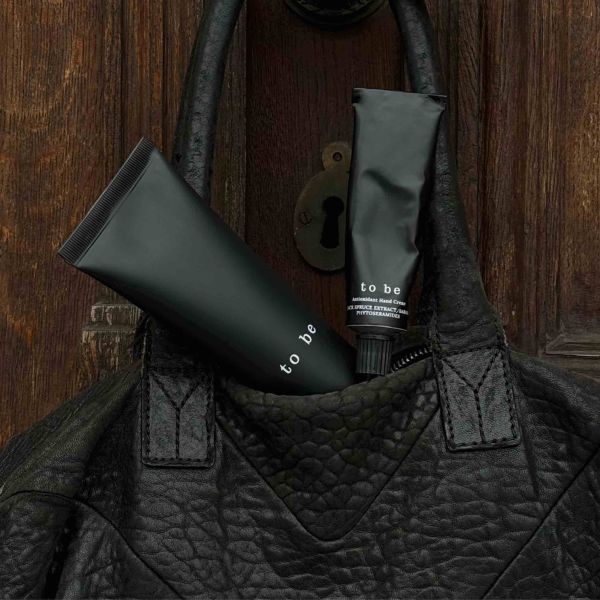
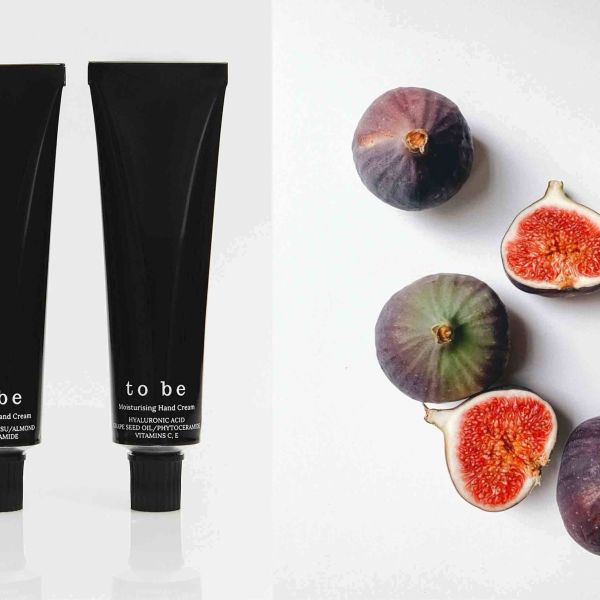
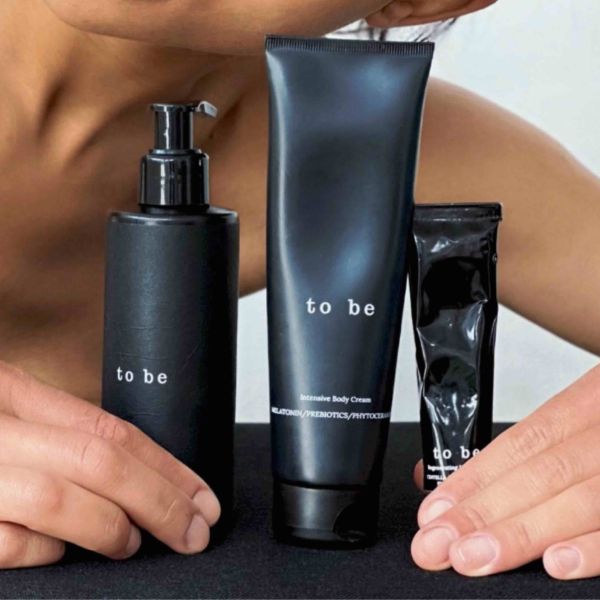
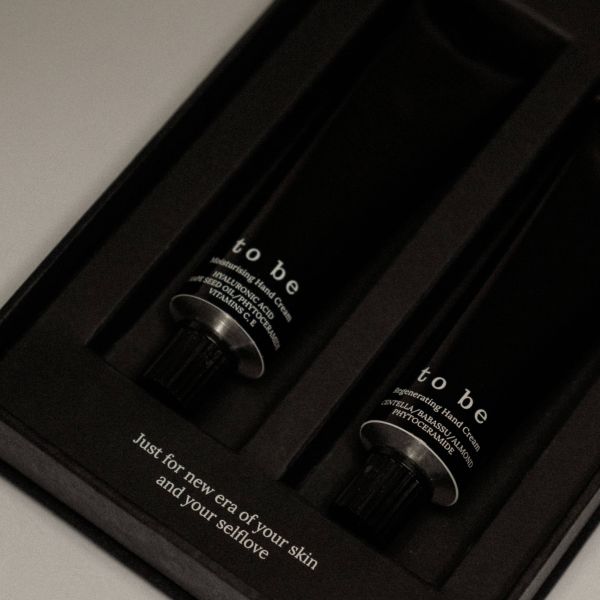
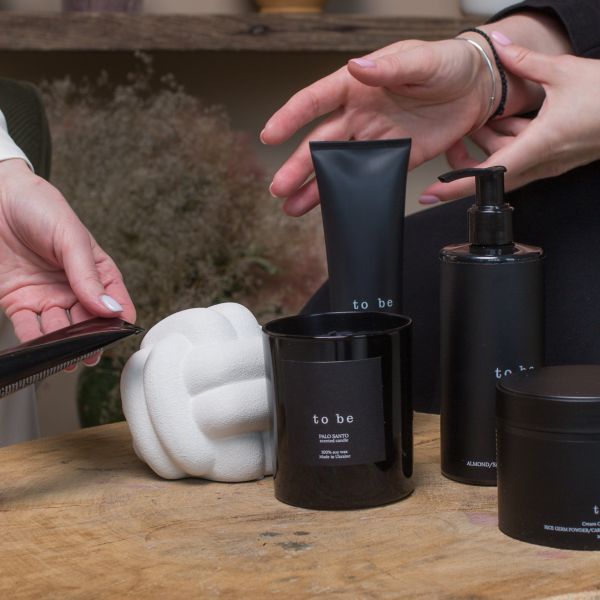
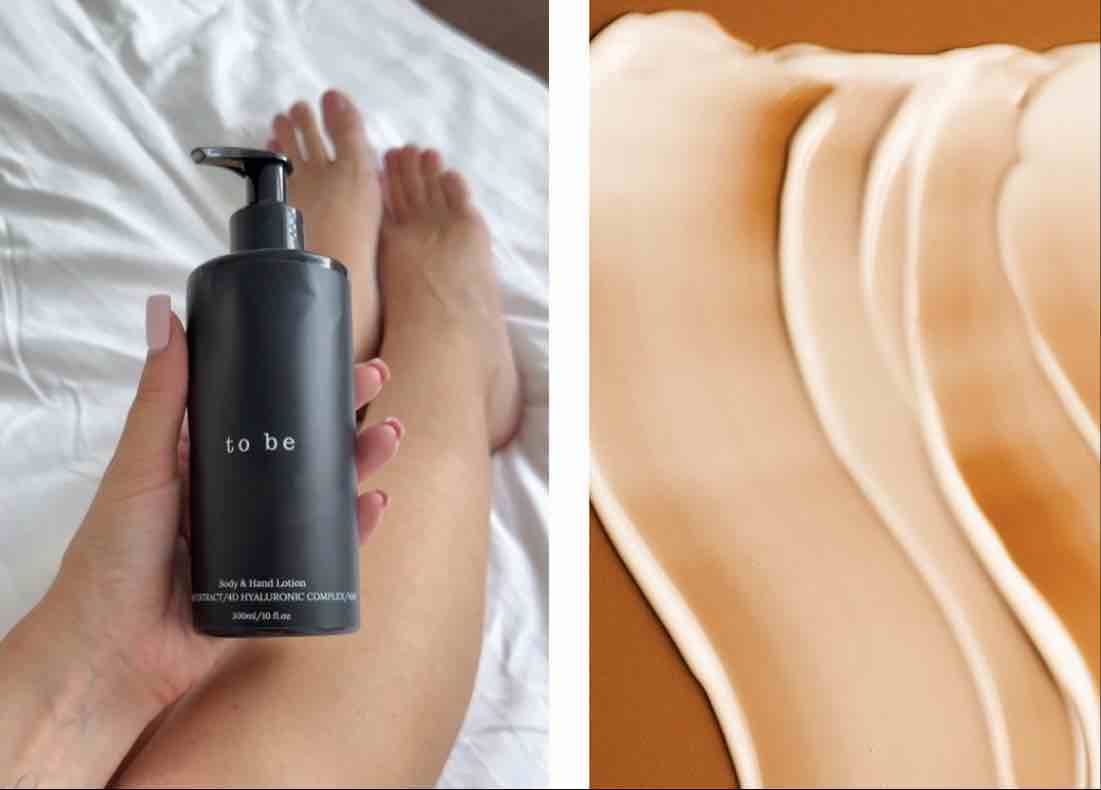
to be moisturising body and hand lotion with Australian Jelly Bush honey extract contains organic Jelly Bush honey extract, a complex of four forms of hyaluronic acid, components of the natural moisturising factor and fat-soluble forms of vitamins C and E. The formula helps keep skin hydrated, soft and comfortable without leaving an overly heavy layer.
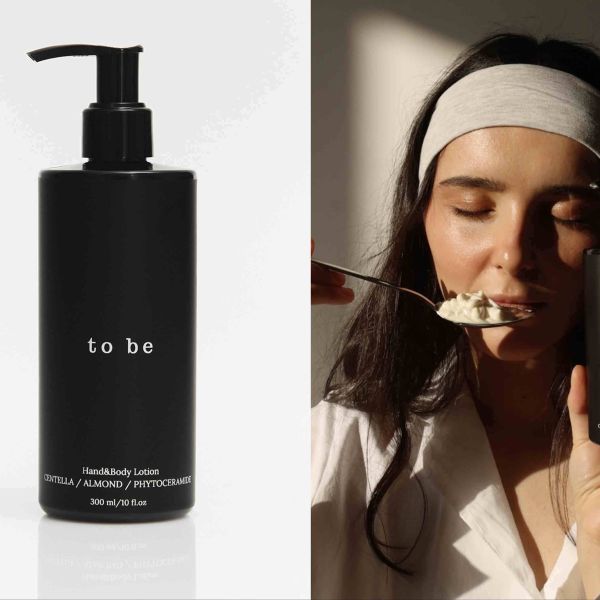
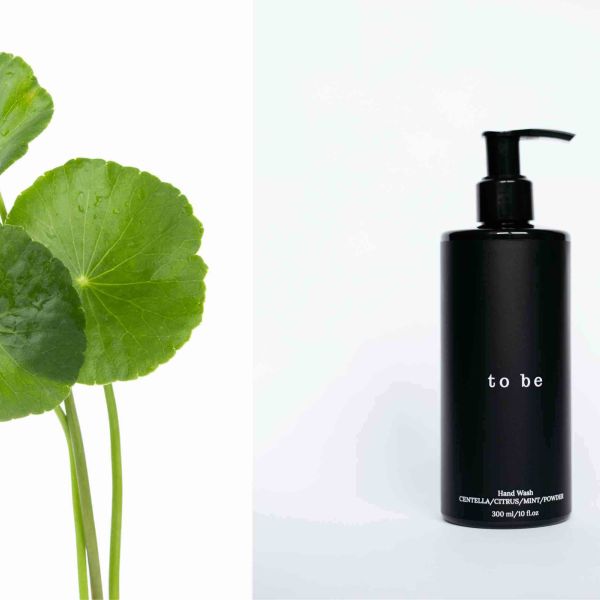
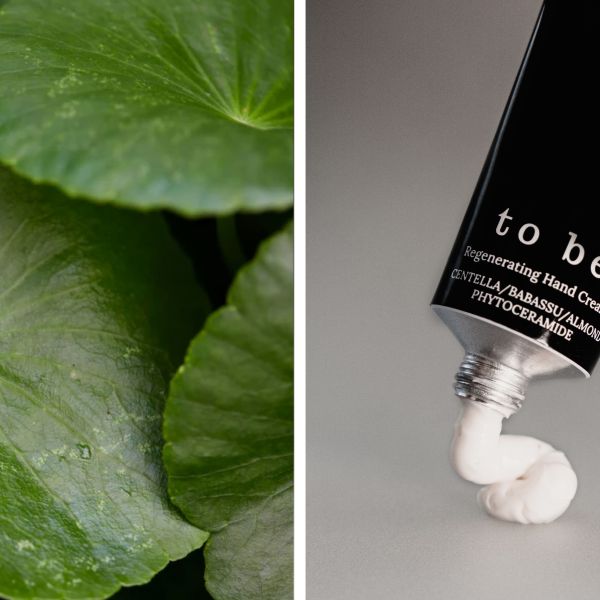
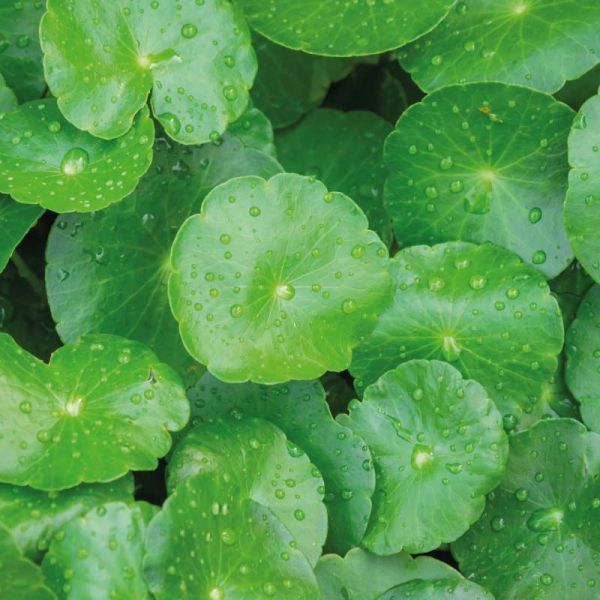
Another option is the moisturising body and hand lotion with Centella asiatica extract, which combines centella, phytoceramides and plant oils. It is suitable for regular care when skin needs both hydration and support for its protective barrier.
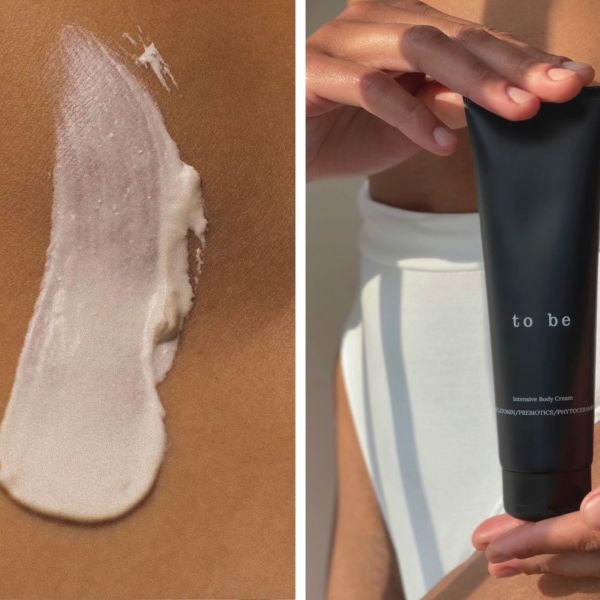
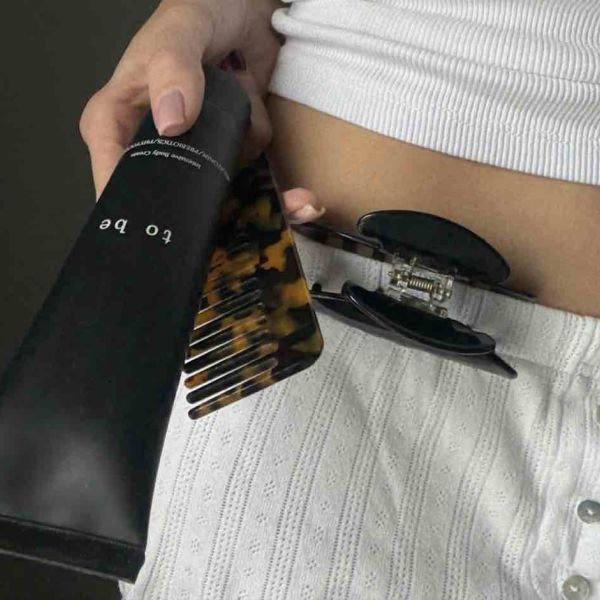
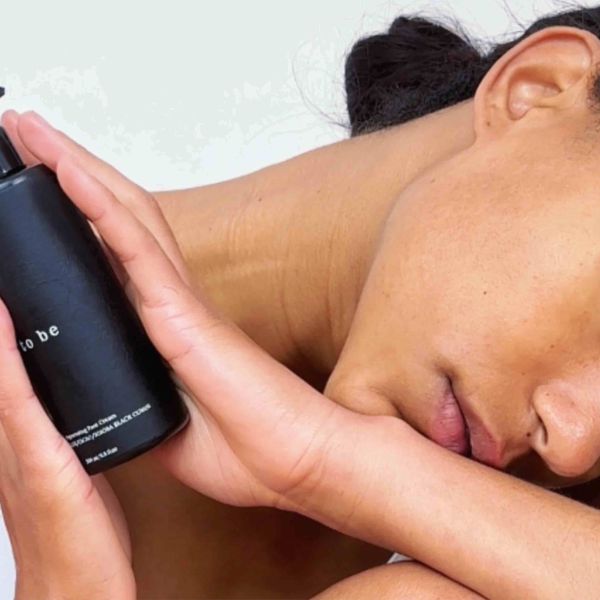
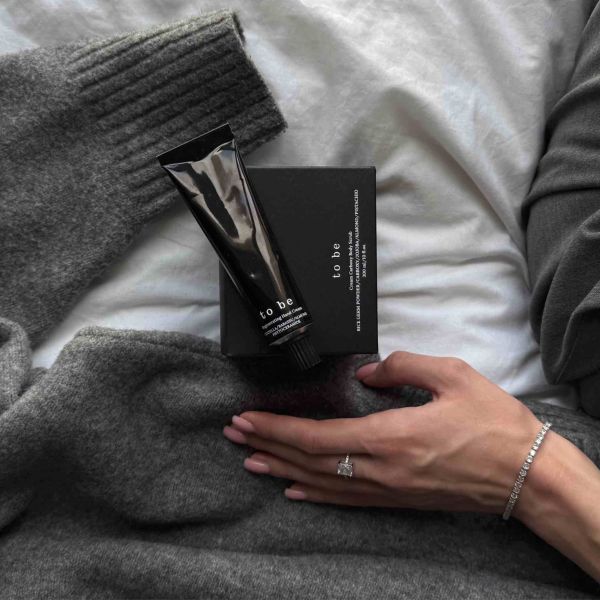
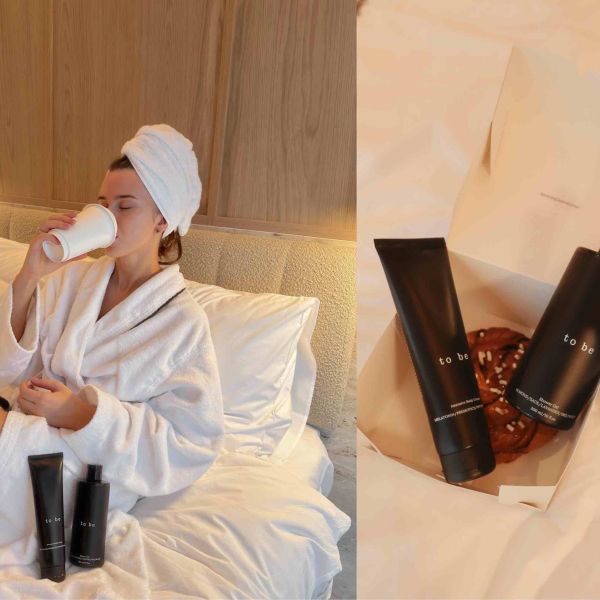
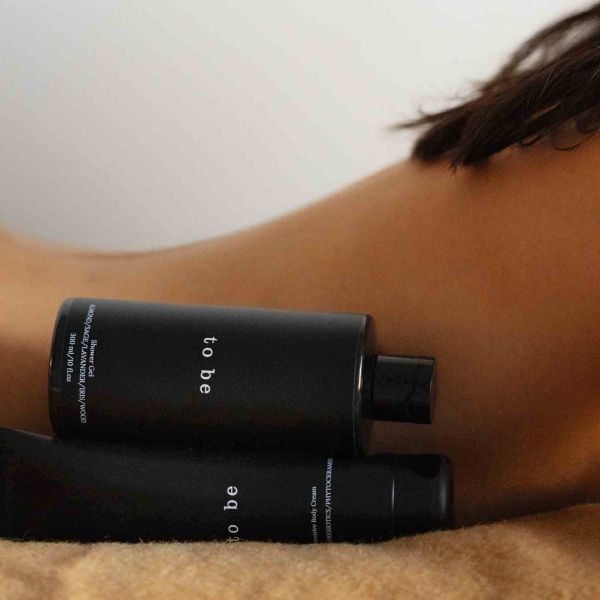
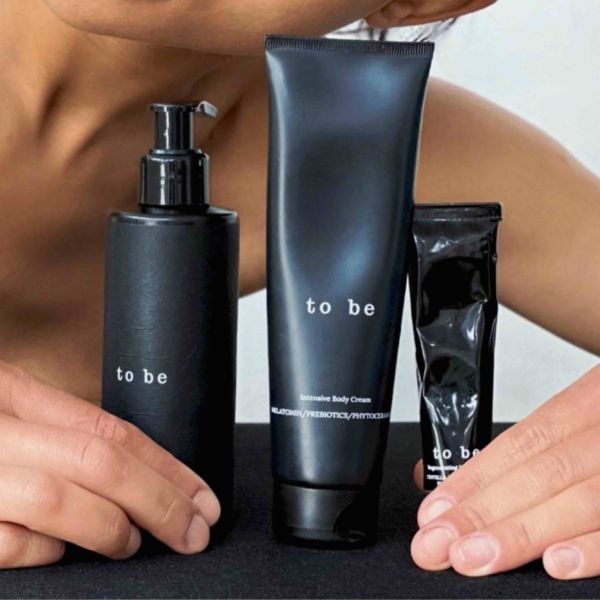
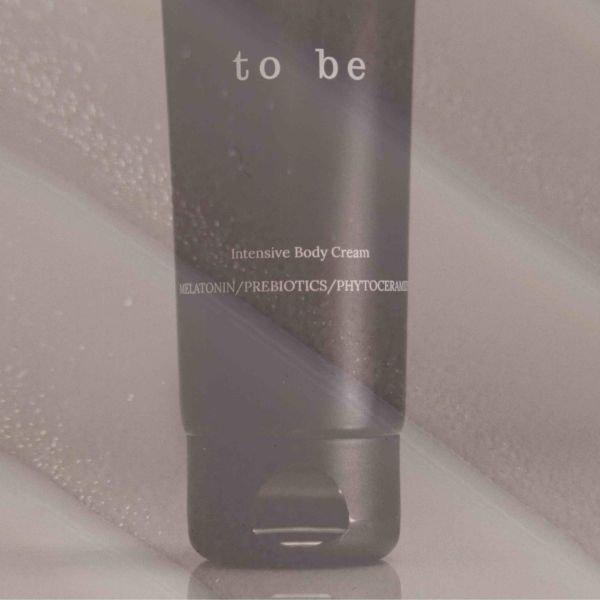
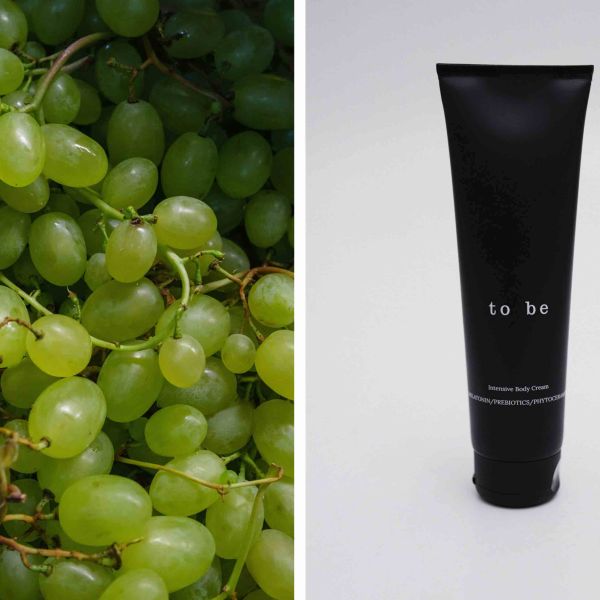
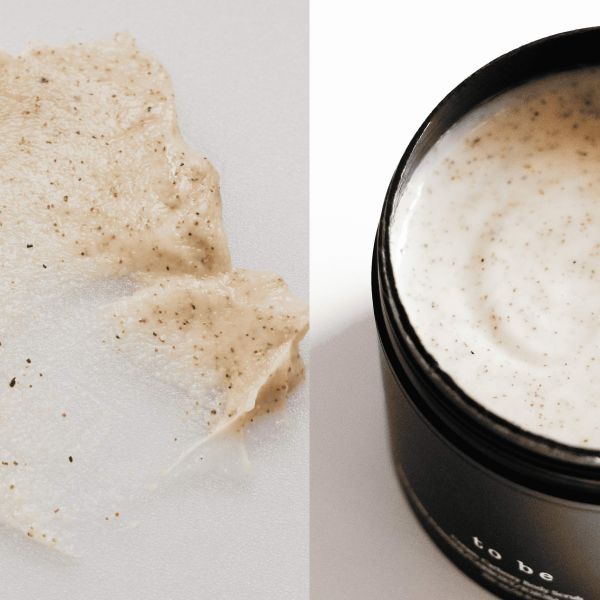
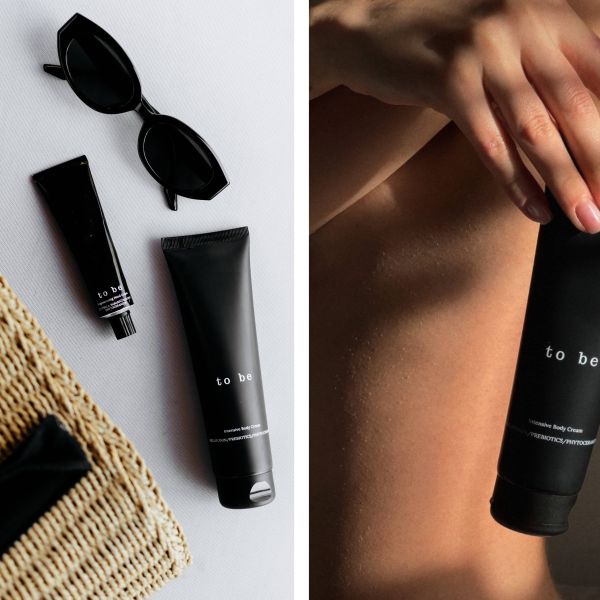
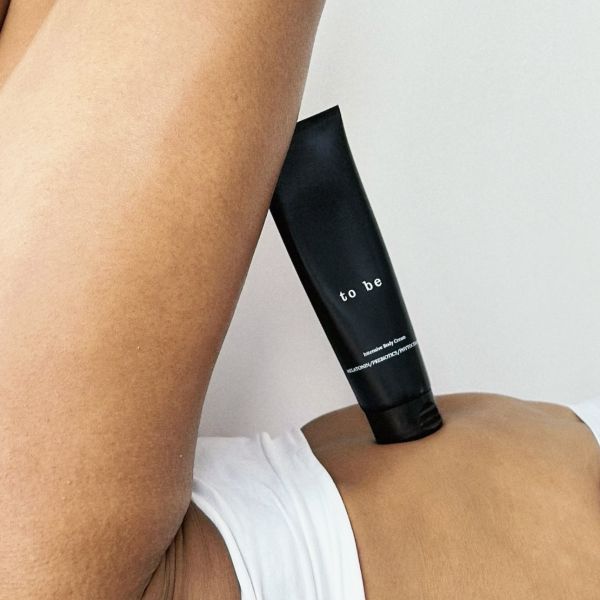
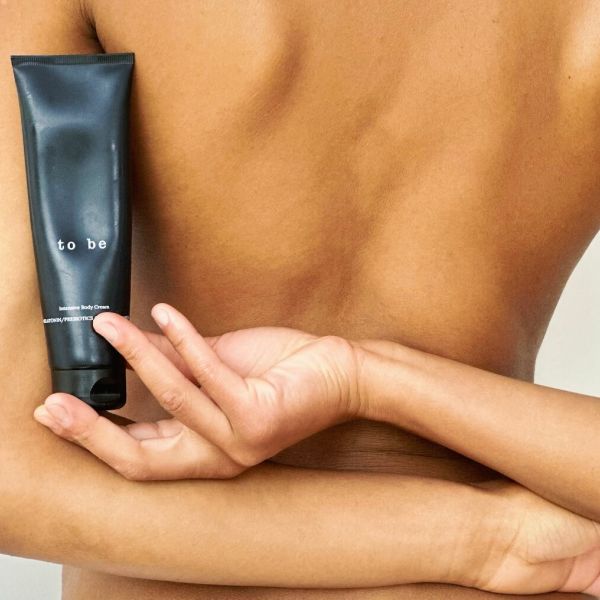
If your skin is already very dry, feels tight or has patches of flaking, consider a richer formula. to be intensive lamellar body cream with grape-derived melatonin contains phytoceramides, olive-derived squalane, shea butter, jojoba oil, phospholipids and a prebiotic complex. The formula’s lamellar structure helps support the lipid barrier and reduce moisture loss.
You do not have to use the same product all over your body. For example, you can apply a lotion daily and use a richer cream on your shins, elbows and other areas more prone to dryness.

Does a humidifier help?
If the air at home or in your office is very dry, a humidifier can be a useful addition to your skincare routine, especially if you spend most of the day in a heated room. It will not replace a cream or lotion, but it can help change the conditions that cause skin to lose moisture more quickly.
It also helps to avoid overheating rooms, taking very hot showers and using harsh cleansers—addressing both the effects of dryness and the factors that make it worse.
When dryness is more than a seasonal reaction
Mild dryness, tightness and roughness are common when the heating season begins. But if you develop severe or persistent itching, redness, cracks, a rash or irritation that does not improve after adjusting your skincare routine, it is worth seeing a dermatologist.
Skincare products help support the skin and its protective barrier, but they should not replace a medical assessment when dry air may not be the only cause of your symptoms.
The heating season does not mean you need to change your entire body care routine. A few adjustments are often enough: gentler cleansing, applying a lotion or cream regularly after showering, and using a richer formula on the areas most prone to dryness.
It is better to make these changes when you first notice tightness, rather than waiting until your skin starts to flake.
Share the publication: