Why the cream “doesn’t work”: the main mistakes in daily hand care

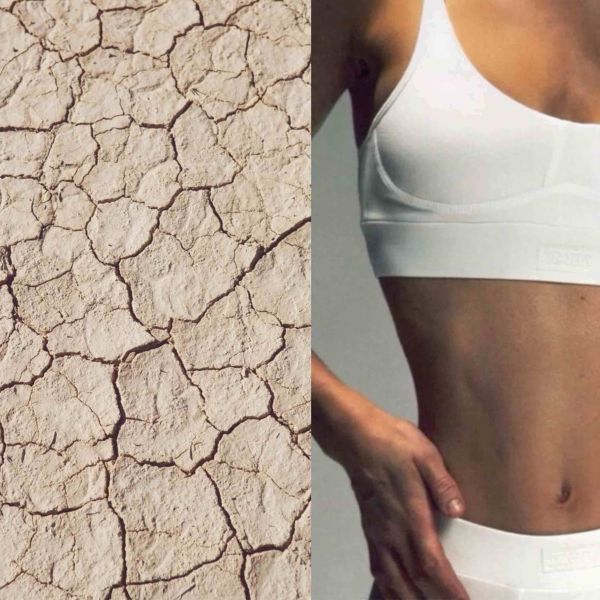
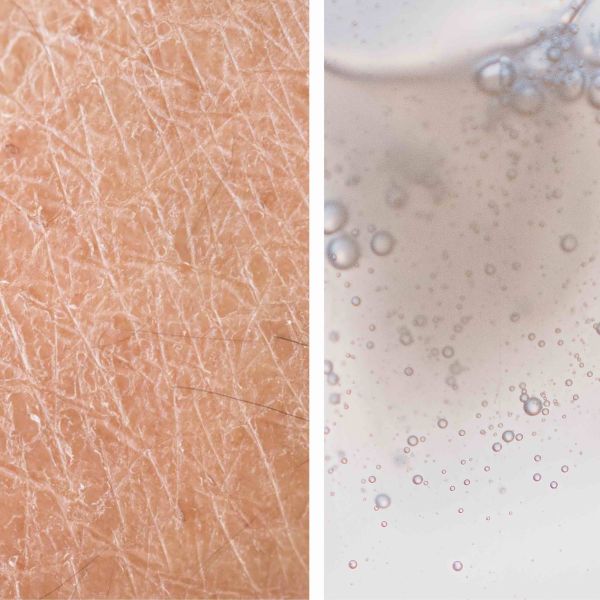
Familiar situation: the cream seems good, you like the ingredients, the brand is trustworthy — yet your hands are still dry, tight, with microcracks. It starts to feel like “the cream doesn’t work.” But in most cases, the problem isn’t the product — it’s the small daily habits we don’t notice.
Hands are the most vulnerable area. They are the first to react to cold, wind, water, sanitizers, and stress. And this is exactly where skincare mistakes show up the fastest.
Mistake #1. Expecting instant “magic” from a cream
Hand cream is not a mask or a one-time treatment. If the skin is dehydrated or the barrier is already compromised, one application is not enough.
Skin needs:
- consistency
- a cumulative effect
- ingredients that support repair, not just surface-level hydration
That’s why anti-stress and repairing formulas don’t show results in seconds — but after several days of consistent use.
Mistake #2. Applying cream “when I remember”
One of the most common scenarios: the cream sits in your bag but gets used once a day — or only at night.
The reality is:
- hand washing strips lipids
- cold and wind intensify dryness
- sanitizers disrupt the barrier
That’s why hand cream is a daytime essential — not just an evening ritual.
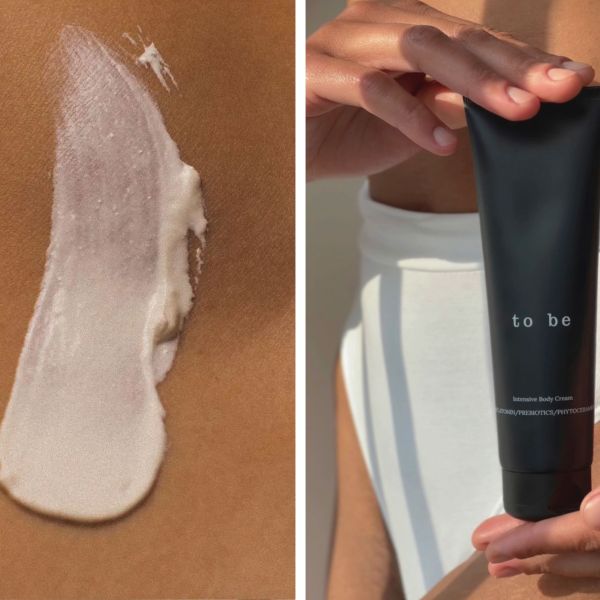
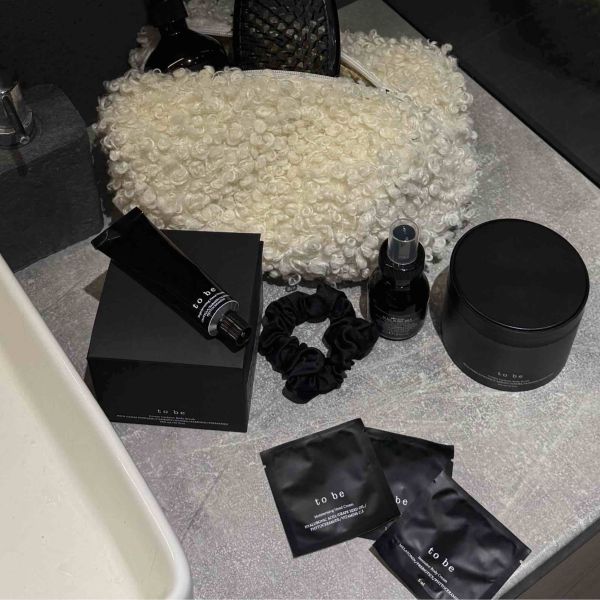
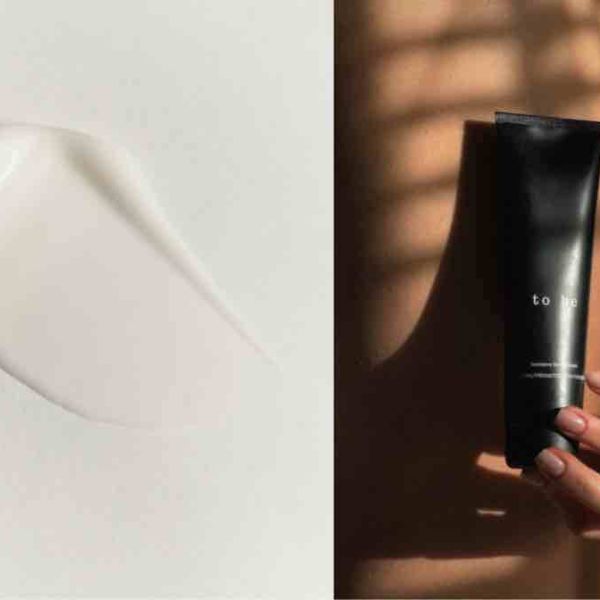
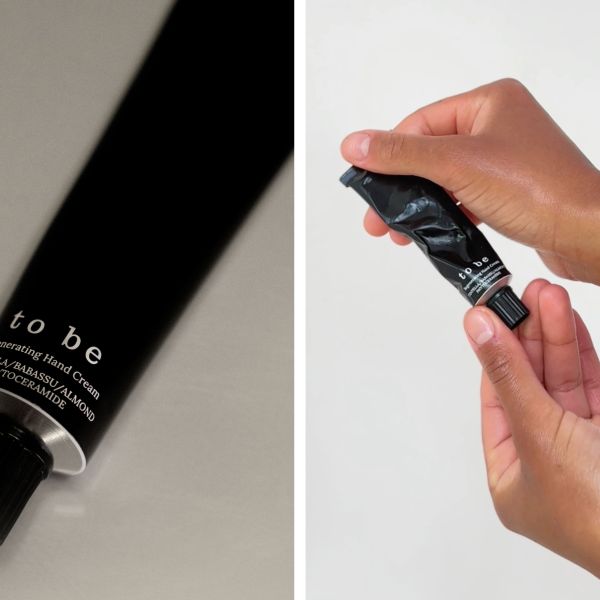
For an active lifestyle, an antioxidant hand cream with phytoceramides and black spruce bark extract works well.
It absorbs quickly, leaves no stickiness, and helps protect the skin from oxidative stress throughout the day.
Mistake #3. Ignoring the condition of the skin, not its type
We often choose a cream “for dry skin” or “for normal skin,” but forget to consider the current condition.
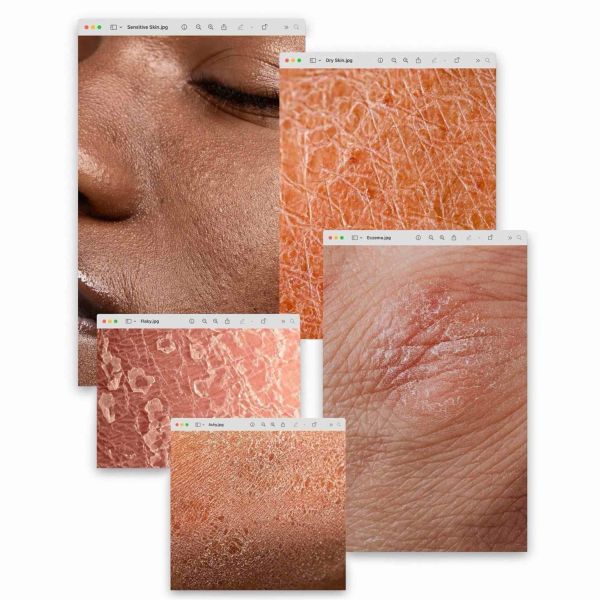
In winter, even normal hand skin can be:
- dehydrated
- irritated
- prone to microcracks
- sensitive to temperature changes
In this case, you need more than hydration — you need repairing formulas.
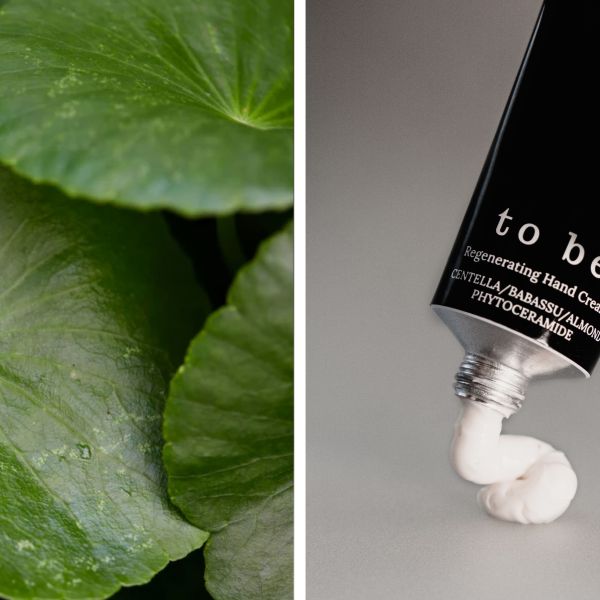
A repairing hand cream with Australian honey extract and cupuaçu butter is designed for these conditions. Organic Jelly Bush honey extract helps reduce inflammatory factors, while cupuaçu butter supports barrier repair and helps prevent cracking of the skin and cuticles.
Mistake #4. Forgetting that hands are part of overall care
Hand care doesn’t start with cream — it starts with cleansing.
Harsh cleansers can cancel out the effect of even the best cream. If your skin feels “squeaky clean” after washing, the barrier is already under stress.
Choose gentle cleansing formulas, such as:
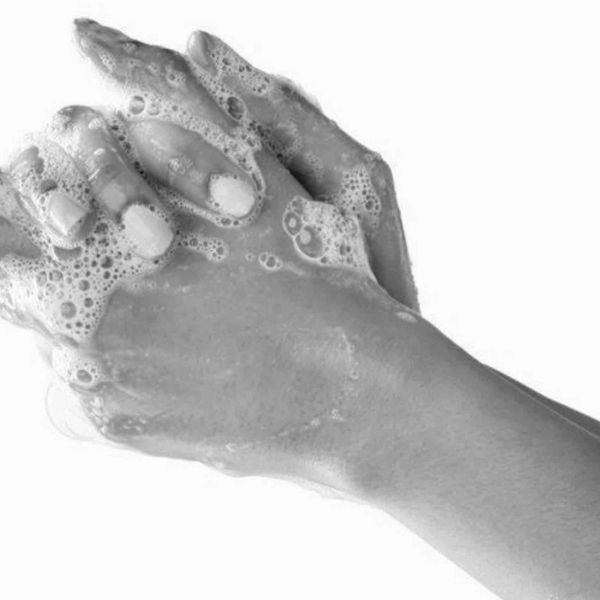
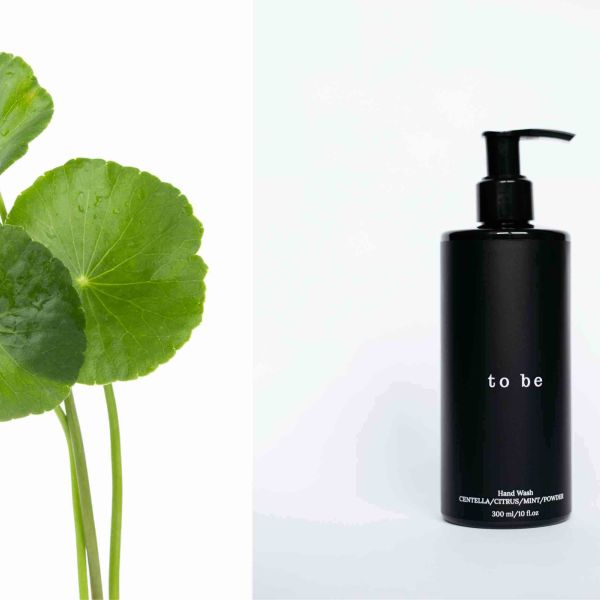
• Moisturizing hand wash with Centella asiatica
• Moisturizing hand wash with eugenol
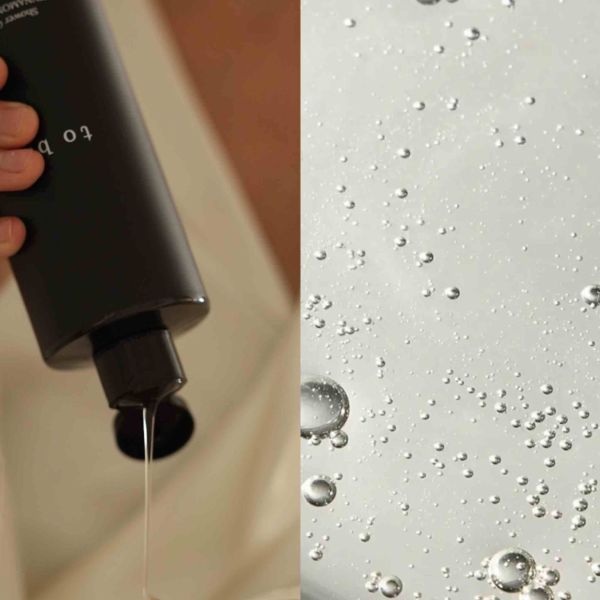
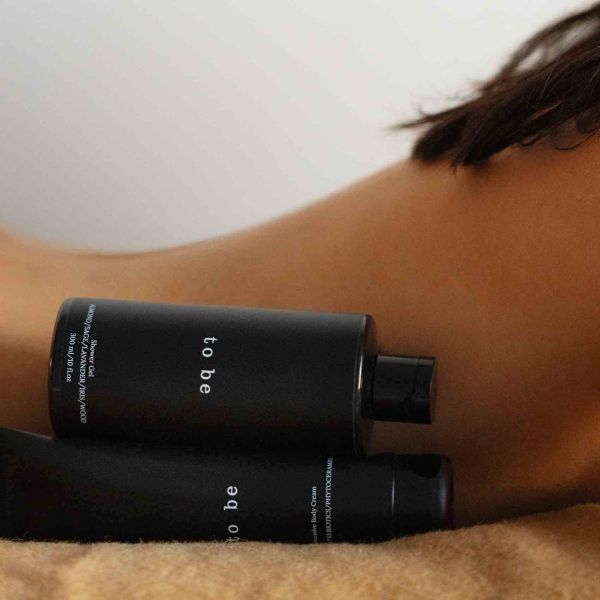
For shower and daily universal care, a moisturizing 3-in-1 shower gel with baobab and wheat protein works well — it doesn’t overdry the skin and helps maintain comfort.
Mistake #5. Not supporting hydration on a body level
The skin on your hands is closely connected to the condition of your entire body’s skin. If overall hydration is low, hands react first.
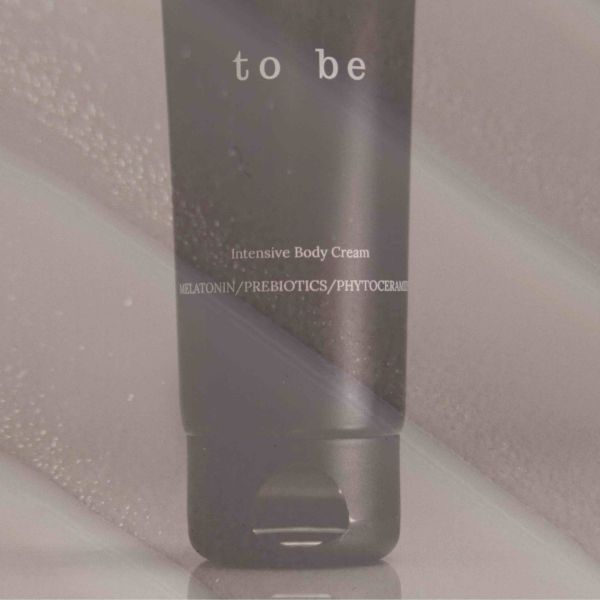
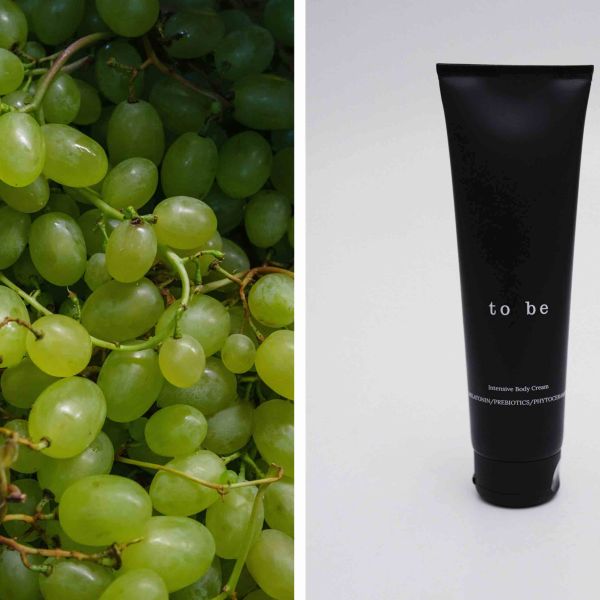
A moisturizing body and hand lotion with Centella asiatica supports hydration, soothes the skin, and helps it recover faster from dryness and microdamage. Its lamellar structure allows deeper action without leaving a sticky feeling.
When a cream truly “works”
A hand cream starts working when:
- it is chosen according to the skin’s condition, not just its type
- it is used consistently
- it is combined with gentle cleansing
- it becomes part of a daily ritual, not a random action
Well-cared-for hands are not about unrealistic perfection. They are about consistent care that gradually becomes a habit.
And then the cream truly works — without exaggerated expectations, but with real results.
Share the publication: