How to care for your body skin in autumn: 5 changes to make as the weather gets colder

At the beginning of autumn, it may seem that there is no need to change anything in your body care routine just yet. There is less sun, but no real frost, the heating is not on yet, and after summer, the skin often still looks perfectly fine. That is why autumn body care is often postponed until dryness, flaking, and a feeling of tightness appear.
In fact, the skin begins to respond to seasonal changes much earlier. Temperatures drop, the weather becomes windier, we gradually switch to hotter showers and more layers of clothing, and once the heating season begins, dry indoor air becomes another factor.
That is why it is better to adjust your autumn body care routine gradually, as the weather changes, rather than waiting until your skin becomes very dry.
1. Reconsider your cleansing product
In summer, we sweat more, shower more often, and usually tolerate more intensive cleansing better. In autumn, the skin’s needs may change.
If your skin feels tight after showering or you feel the need to apply a cream immediately, take a closer look at the shower gel you are using. Good cleansing should not leave the skin feeling “squeaky clean.”
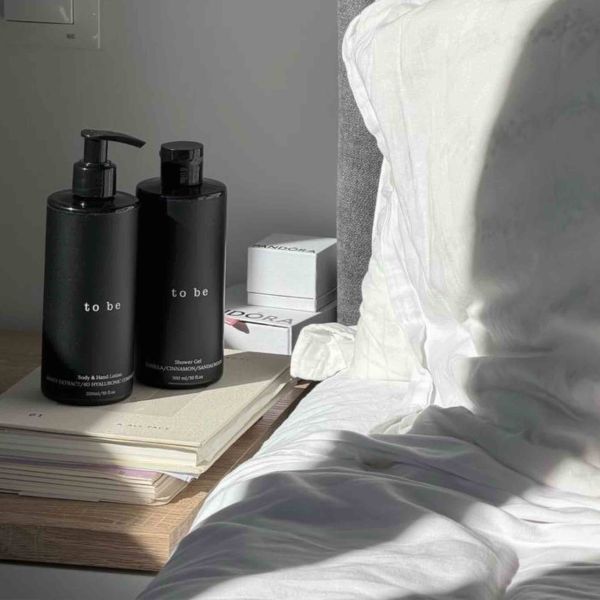
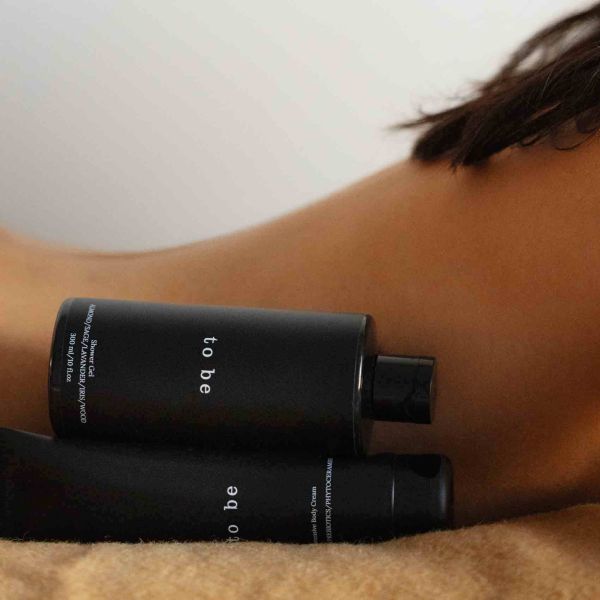
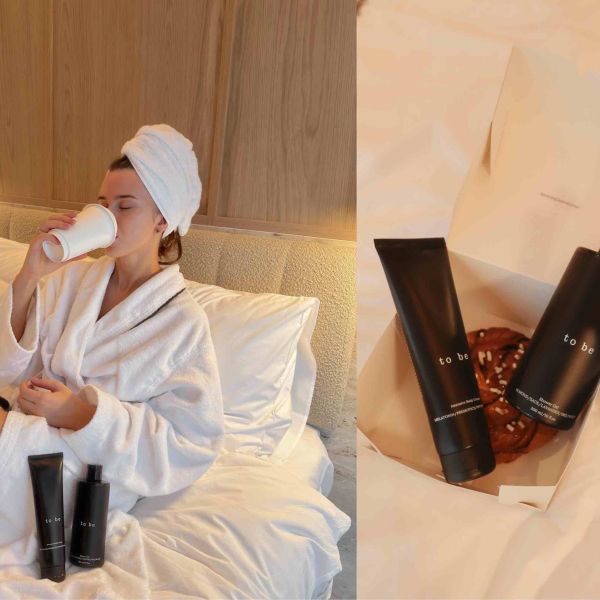
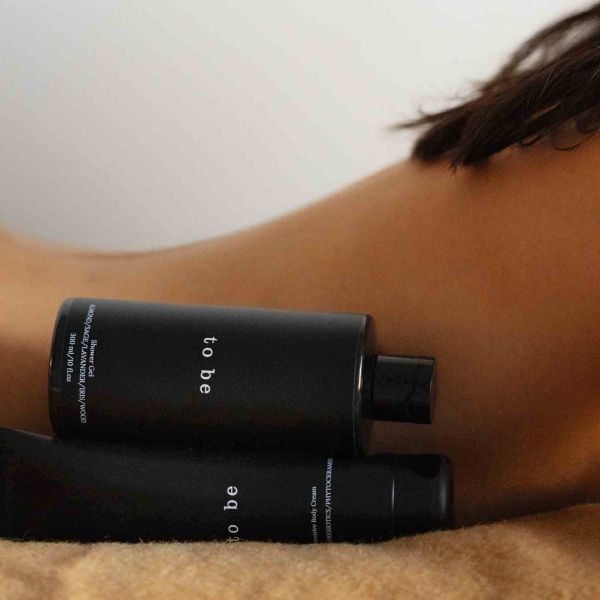
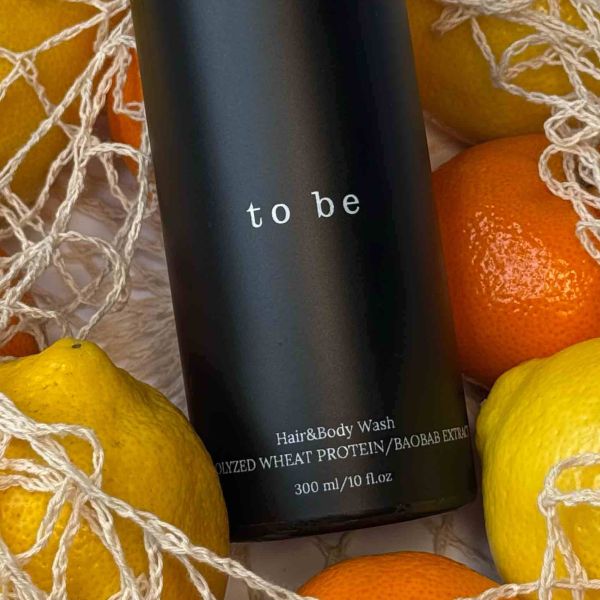
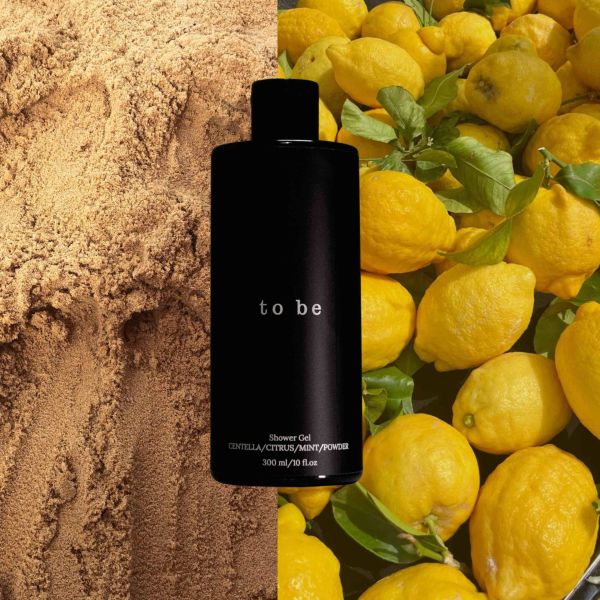
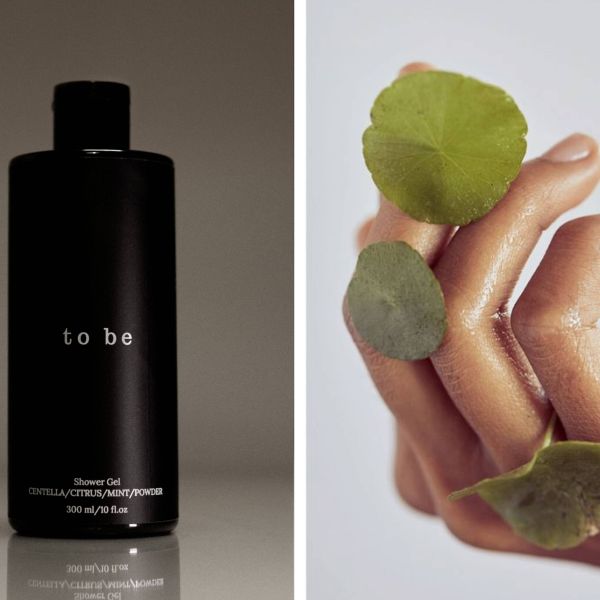
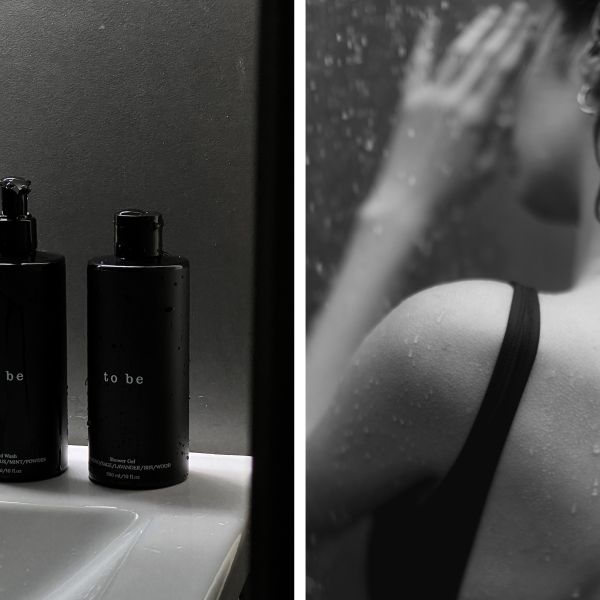
For daily use, it is worth choosing products with a mild surfactant system. to be shower gels are free from sulfates and parabens, and their cleansing system is based on a combination of mild surfactants, including ingredients derived from plant oils and sugars. They gently remove everyday impurities without leaving the skin feeling stripped or overly dry.
When it comes to fragrance, you can simply follow your mood — from fresher compositions to warm vanilla and spicy notes that feel especially fitting in autumn.
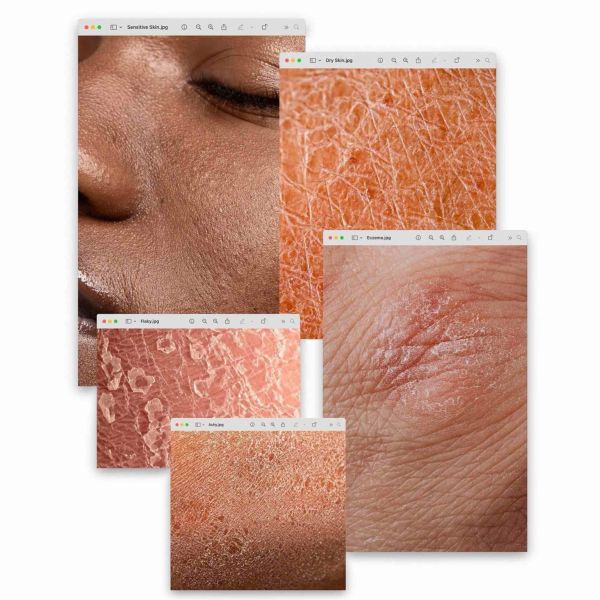
2. Don’t wait until your skin starts to flake
One of the most common mistakes is reaching for a body cream only when the skin has already become dry.
As the weather gets colder, the conditions your skin is exposed to throughout the day gradually change. Cold air outdoors, warm and dry air indoors, wind, and temperature fluctuations can all contribute to moisture loss and make the skin feel less comfortable. That is why consistency matters more in autumn than trying to “rescue” your skin with a generous amount of cream once a week.
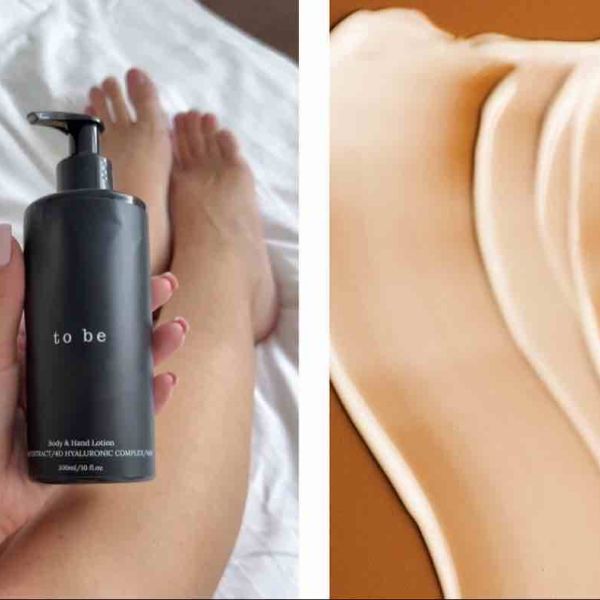
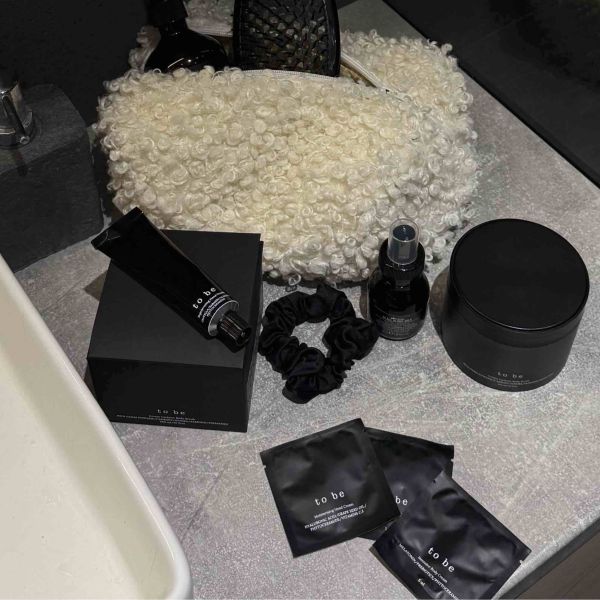
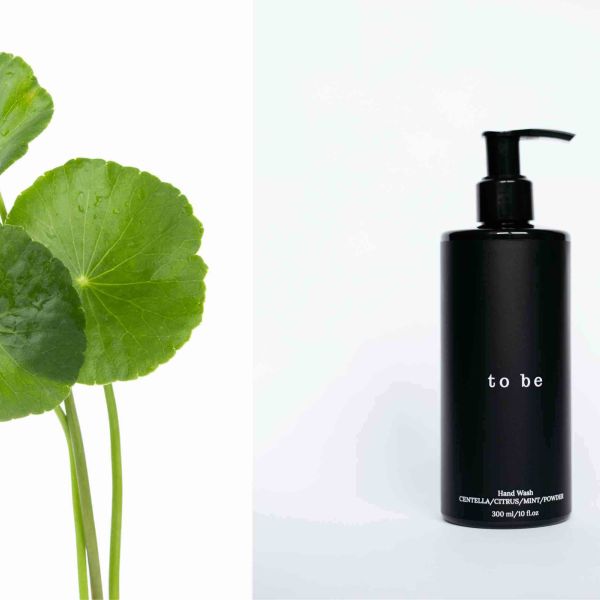
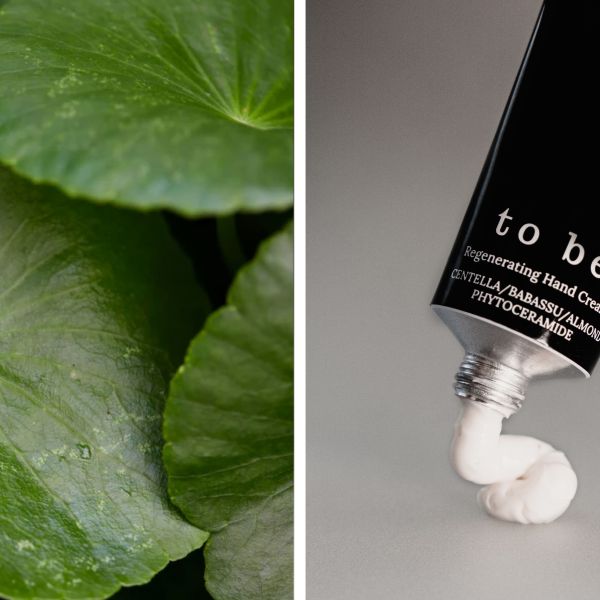
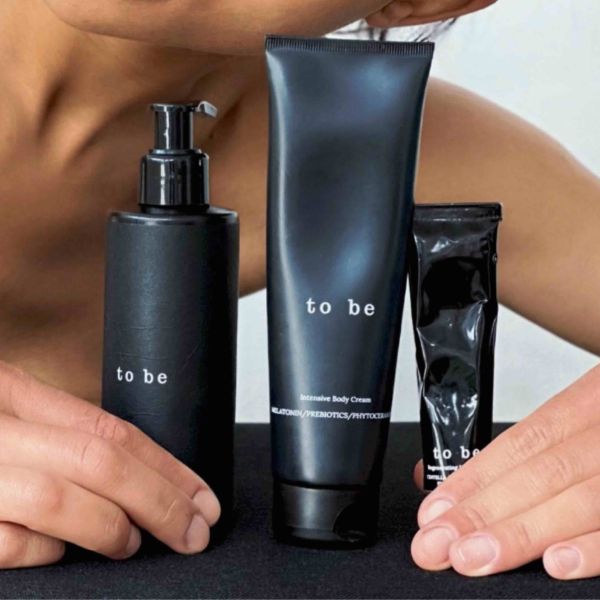
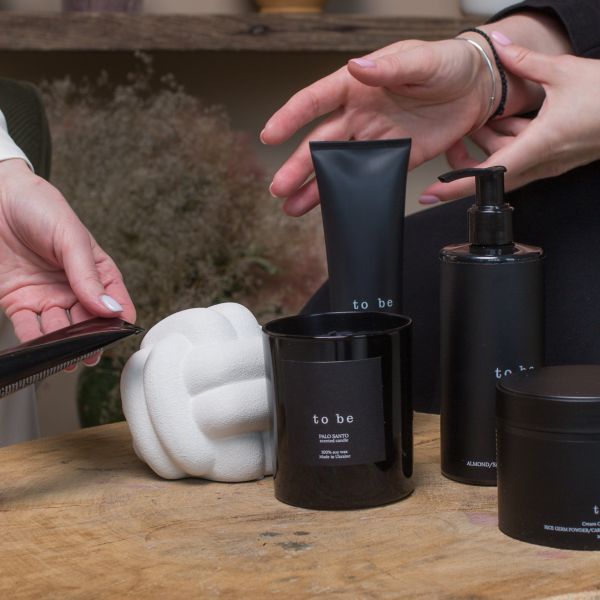
If your skin is normal or only slightly prone to dryness, you can continue using a lighter body lotion for daily care. For example, to be moisturizing body lotion with Centella asiatica has a lamellar base, phytoceramides, and plant oils, making it well suited for regular use.
When your skin starts to need richer care, you can gradually switch to a cream or alternate between the two textures depending on how your skin feels.
3. Make your routine more lipid-rich, not just “thicker”
As the weather gets colder, a common recommendation is to simply replace a lightweight lotion with a thick cream. But texture alone does not tell you how well a product will support dry skin.
In autumn, formulas containing components similar to those found in the skin’s lipid structure, as well as emollients and plant oils, can be especially beneficial.
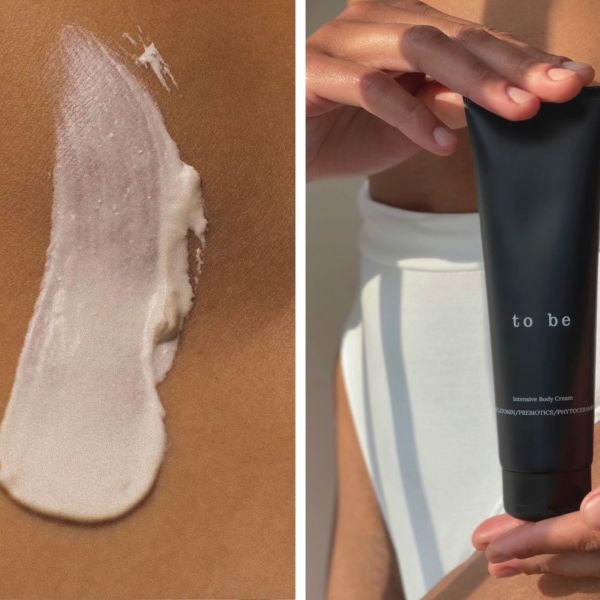
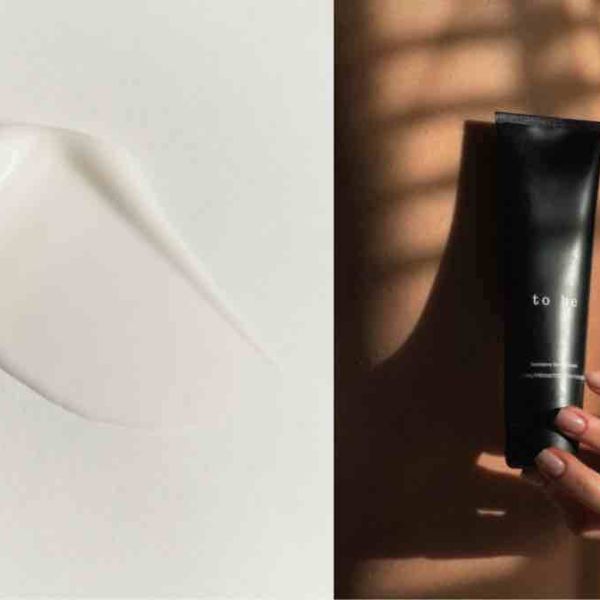
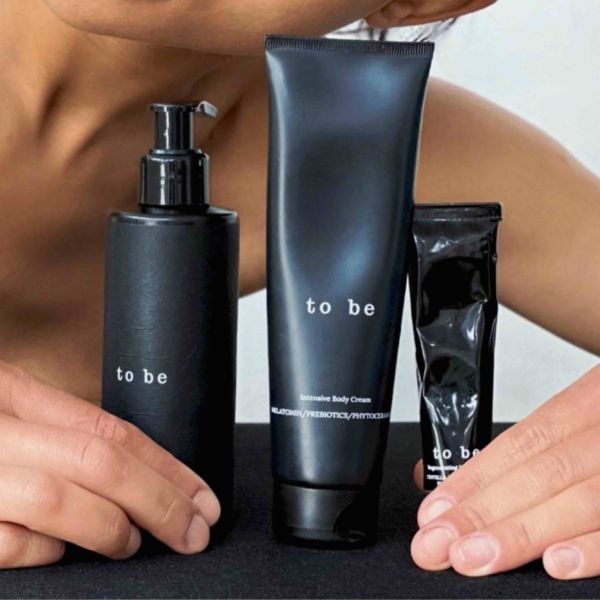
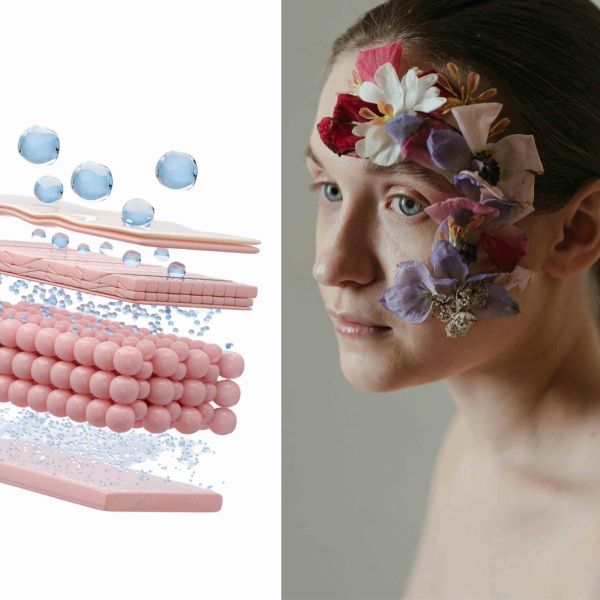
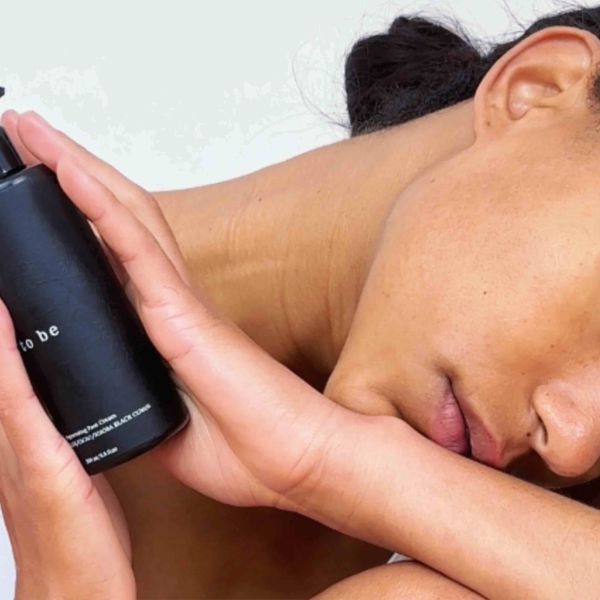
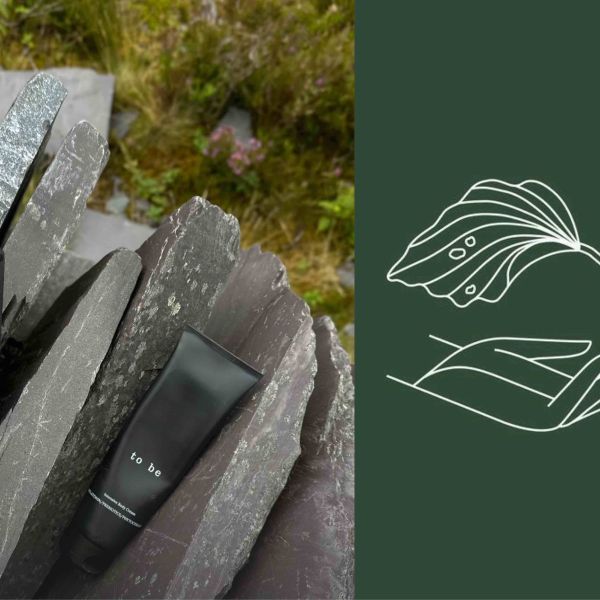
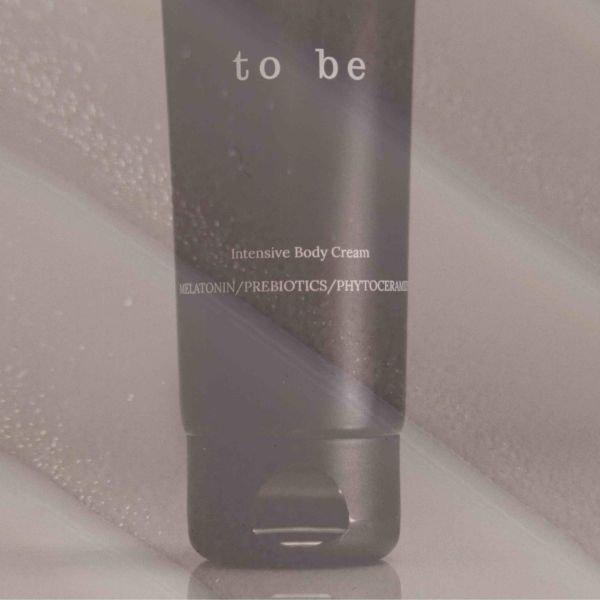
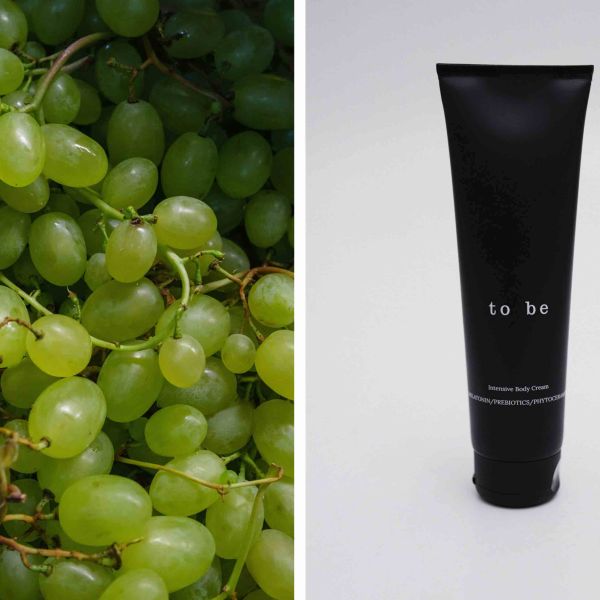
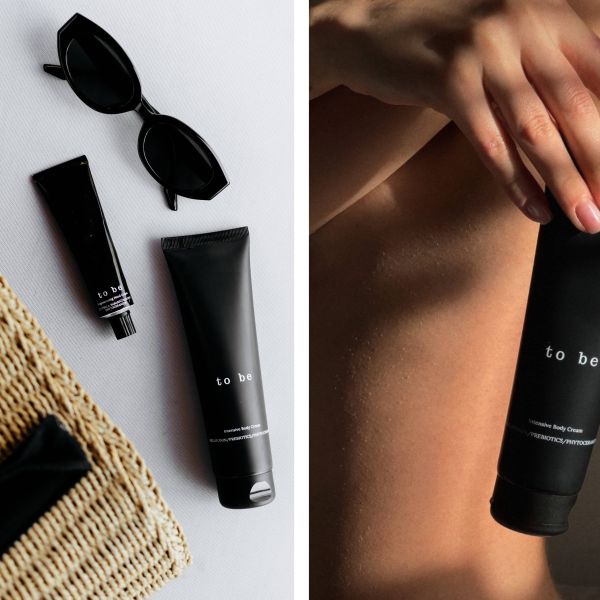
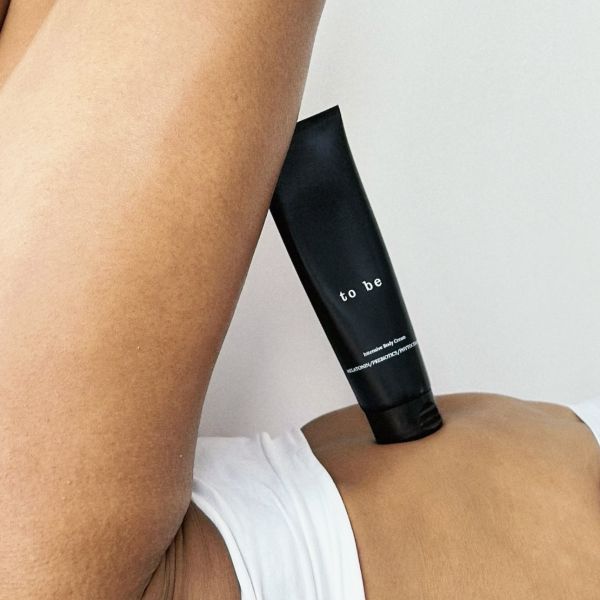
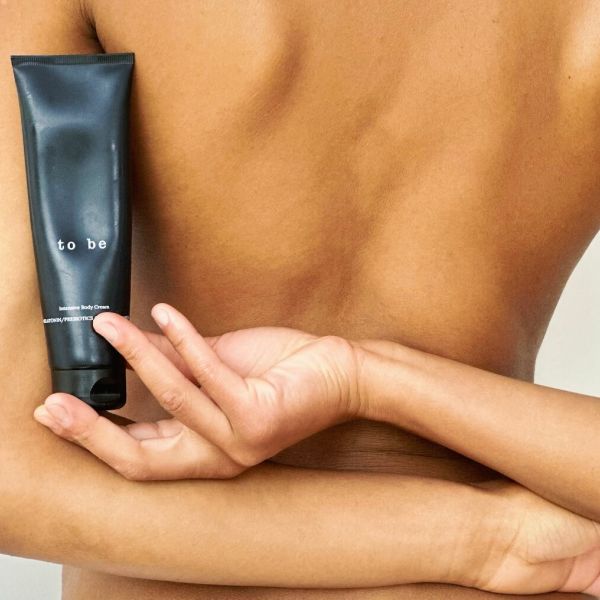
to be lamellar body cream with grape melatonin combines phytoceramides, olive-derived squalane, shea butter, jojoba oil, phospholipids, and a prebiotic complex. The lamellar structure of the emulsion helps support the skin’s protective barrier, while lipid components help reduce moisture loss and restore a feeling of softness and comfort.
However, not everyone needs to switch to a richer body cream every day. Pay attention to how your skin feels: sometimes it is enough to use it a few times a week or only on the areas that tend to react to colder weather first.
4. Pay more attention to your hands, elbows, and feet
Seasonal changes do not always affect the entire body in the same way. Certain areas are often the first to react. The skin on the hands is constantly exposed to water and cleansing products, while colder weather adds wind and low temperatures to the mix. Elbows can become rougher due to friction from clothing, while feet may become drier when we switch from open to closed shoes.
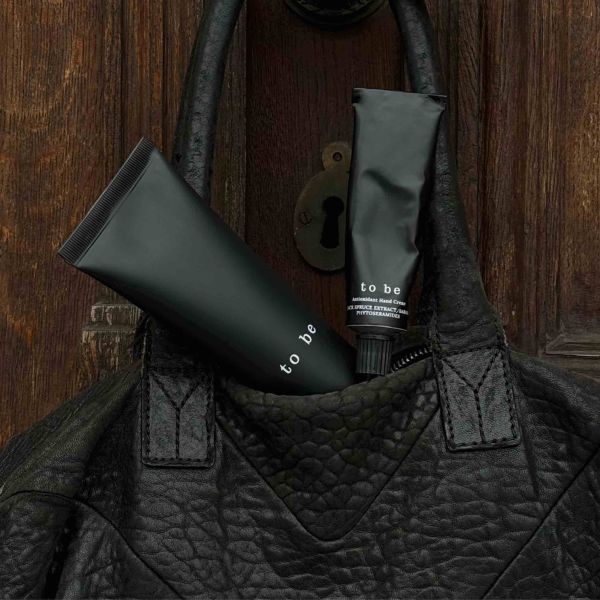
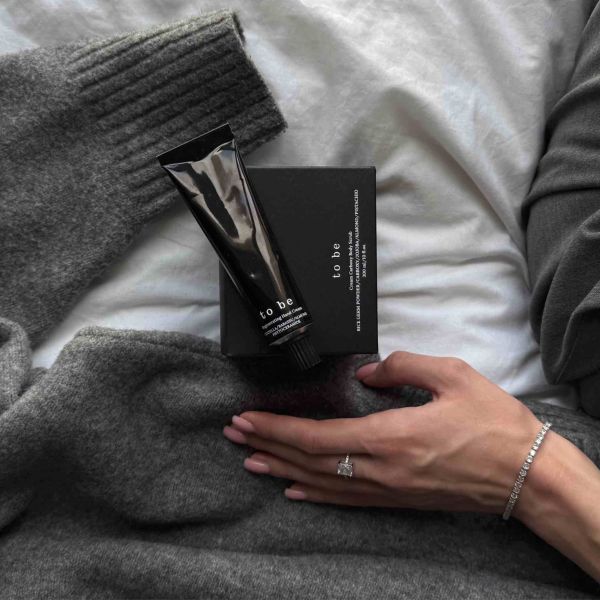
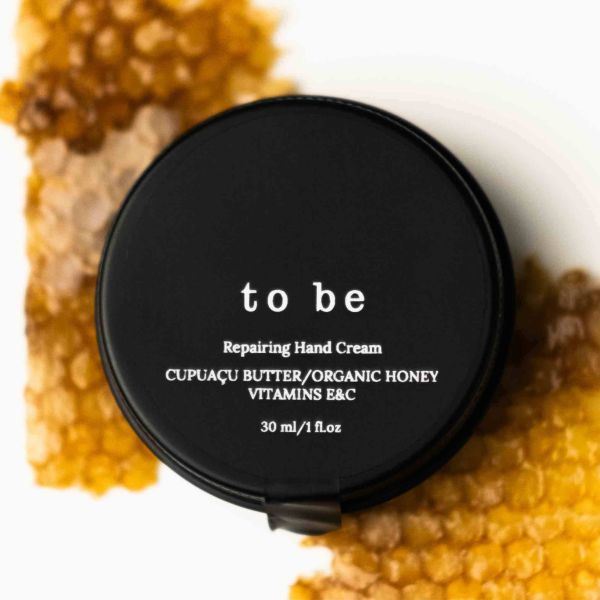
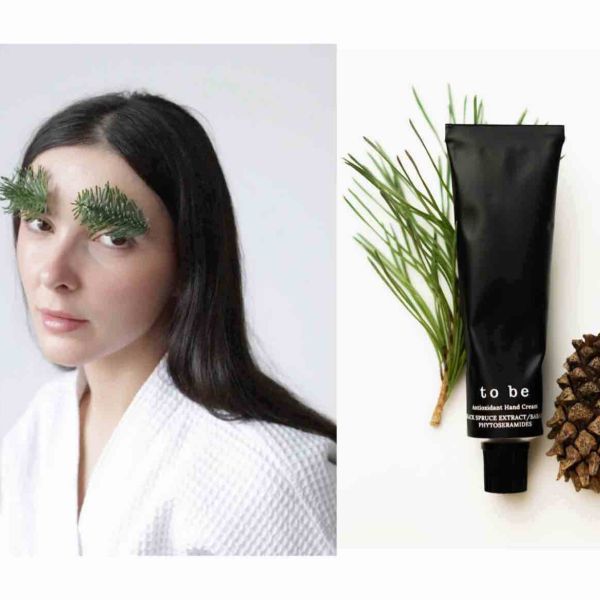
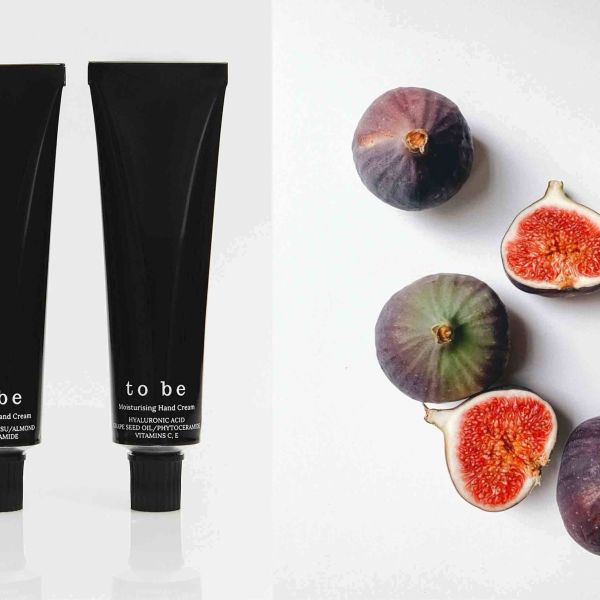
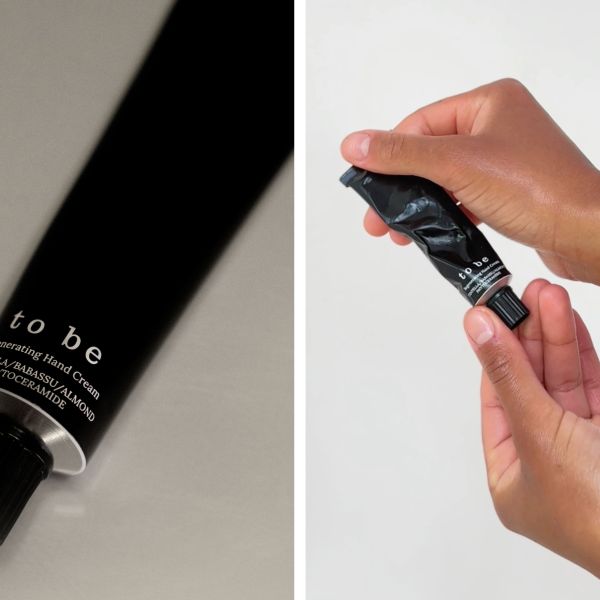
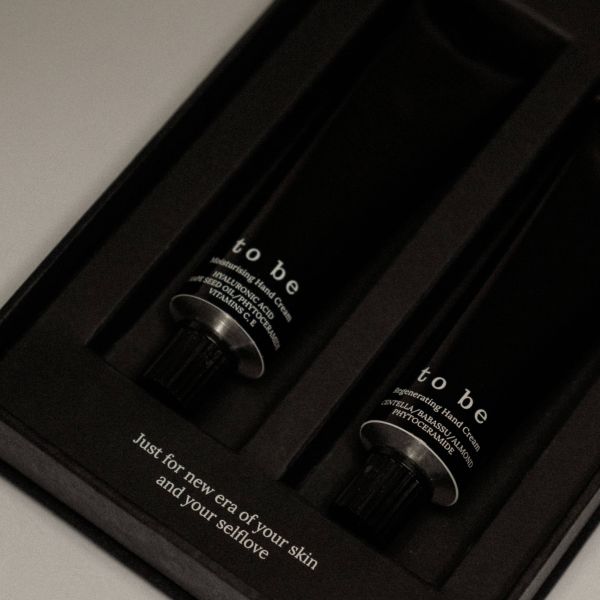
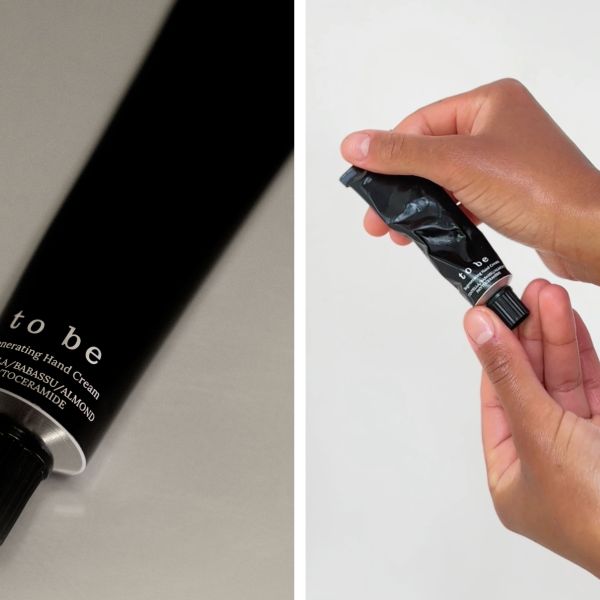
That is why in autumn it makes sense not only to keep a hand cream on your bathroom shelf, but also to have another one somewhere you will actually use it — by your desk, next to your bed, or in your bag.
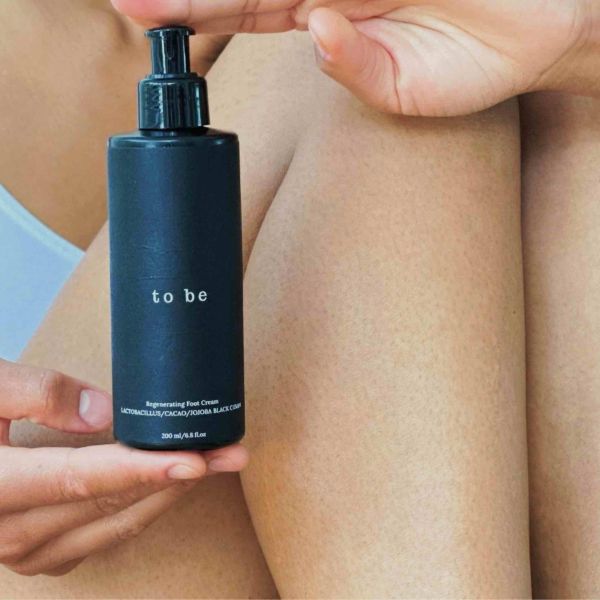
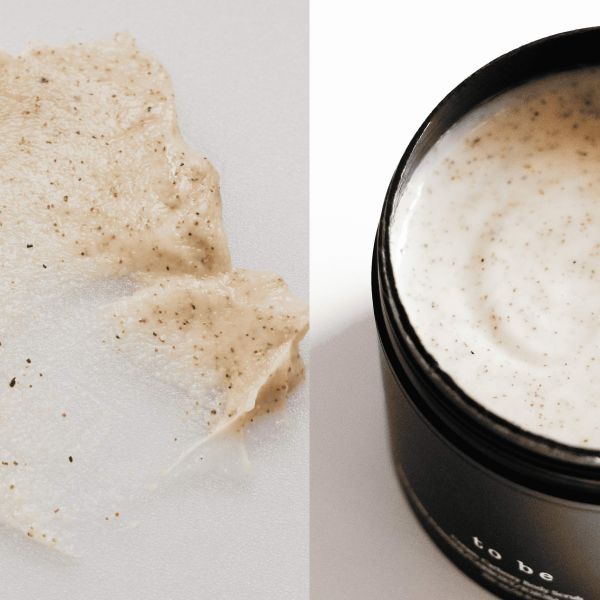
For feet, regular care is also more effective than occasional aggressive exfoliation. A cream, gentle exfoliation when needed, and a few minutes of consistent care can do much more for the skin than trying to quickly get it back in shape once a month.
5. Reconsider your water temperature and post-shower habits
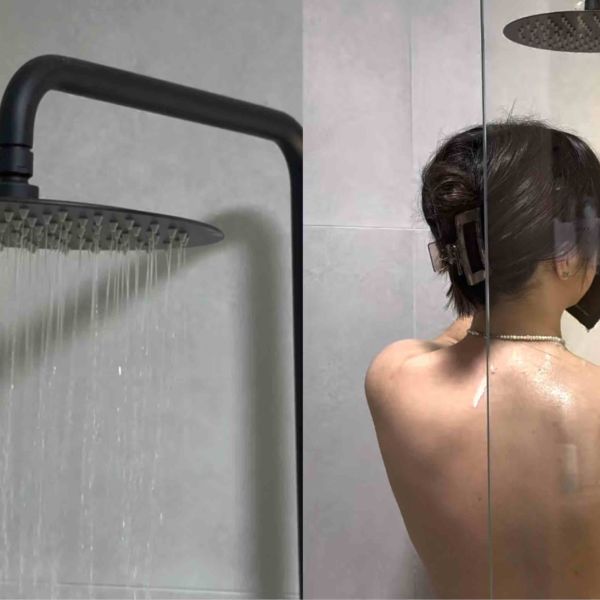
As the weather gets colder, a hot shower can feel especially comforting. But in autumn, this habit can quietly contribute to increased dryness.
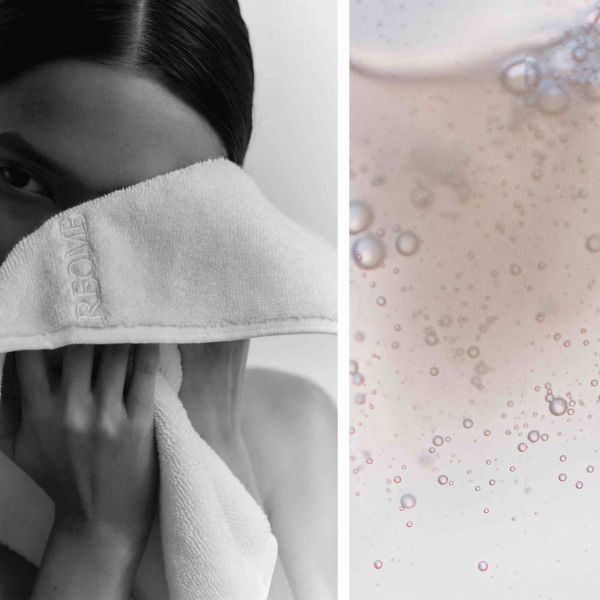
Very hot water can strip away more of the skin’s surface lipids. If you then rub your body vigorously with a towel and wait an hour before applying a cream, that feeling of tightness is hardly surprising. Instead, choose comfortably warm water, avoid unnecessarily long showers, and gently pat your skin dry with a towel afterwards.
Apply a lotion or cream soon after showering, while the skin is still slightly damp. It is a simple way to help your skin stay comfortable for longer without adding another complicated step to your routine.
Autumn body care doesn’t necessarily mean more products
A change of season does not mean you need to completely overhaul your bathroom shelf. A few small adjustments are often enough: switch to gentler cleansing, use body lotion regularly, add a richer cream when your skin needs it, and pay extra attention to your hands, feet, and other areas prone to dryness.
The key is not to wait until your skin starts to flake or feel tight.
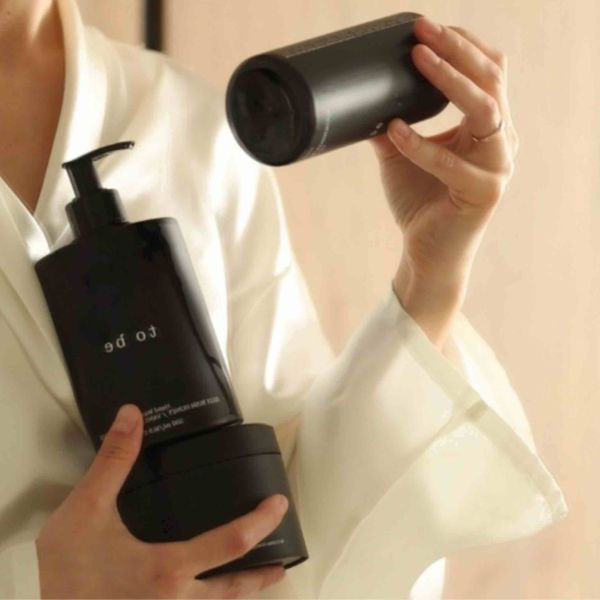
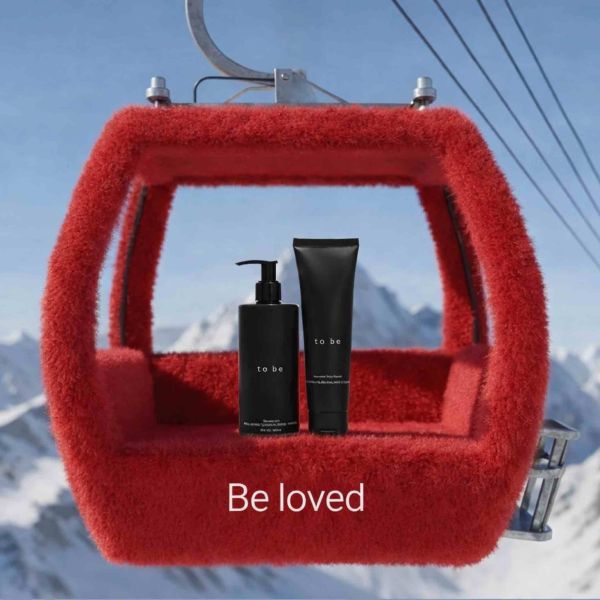
At to be, we see body care as a system: gentle cleansing, support for the skin’s protective barrier, and textures that can be adjusted according to your skin’s needs and the season. In autumn, this system does not need to become more complicated — it simply needs to adapt slightly as the weather changes.
Share the publication: