How to get rid of dry, cracked heels without harsh treatments: effective at-home care

Why you shouldn’t overuse a pumice stone
Many people try to solve dry heels by scrubbing them vigorously with a pumice stone or a metal foot file. While this can make your feet feel smoother immediately after the treatment, the results are often short-lived.
When the skin is exposed to frequent or overly aggressive abrasion, it may respond by producing an even thicker outer layer as a protective mechanism. As a result, dryness and roughness can return more quickly. That’s why modern foot care focuses less on aggressive exfoliation and more on gradually restoring and maintaining healthy skin.
Consistent hydration works better than occasional intensive treatments
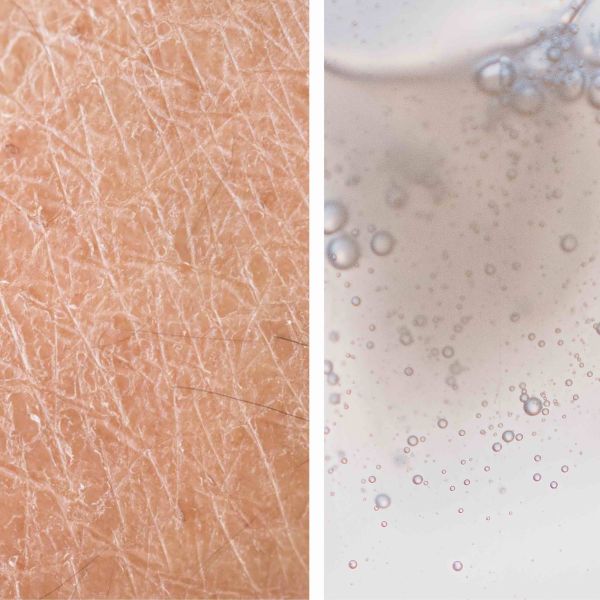
Just like the skin on the rest of your body, the skin on your feet benefits from regular care. Applying a foot cream only once every few weeks is unlikely to restore lasting softness. Daily hydration delivers much better results.
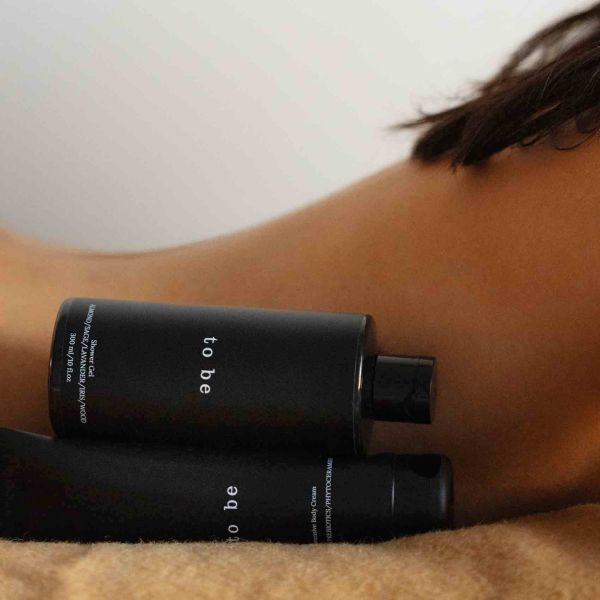
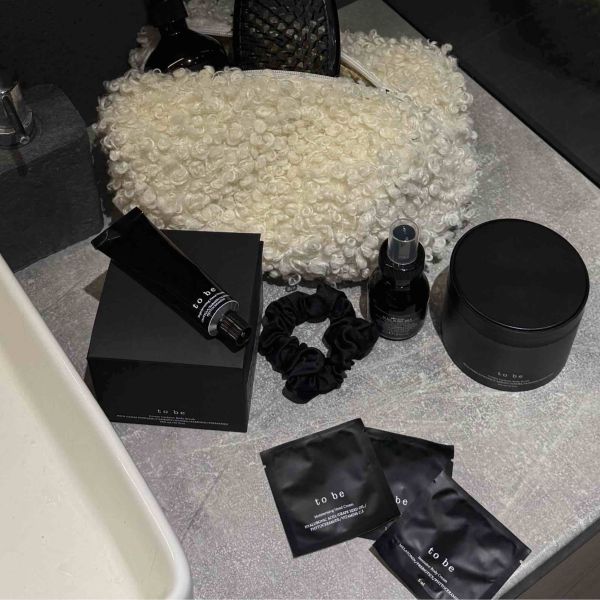
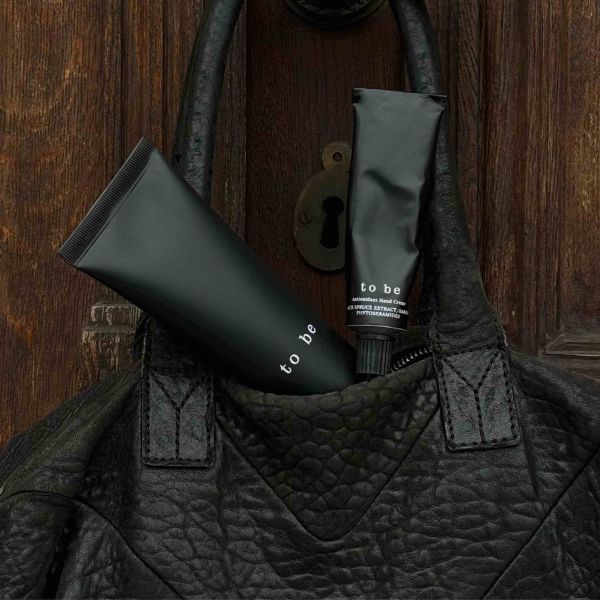
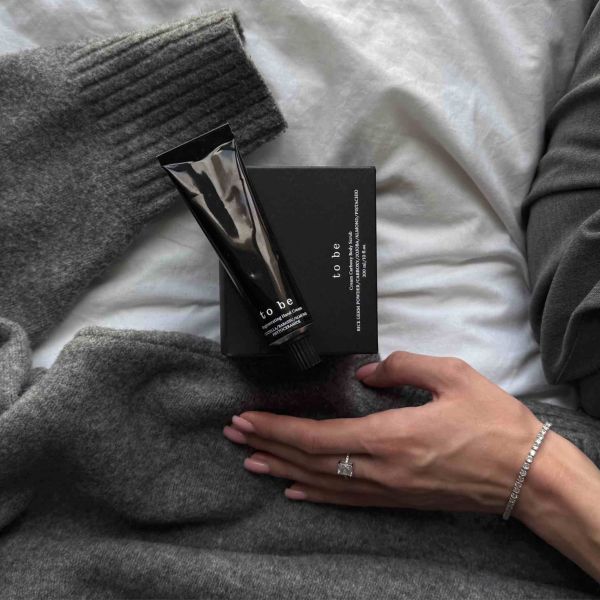
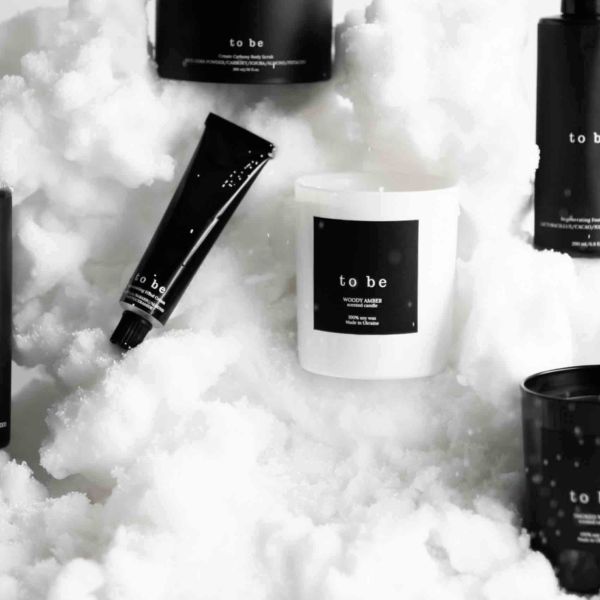
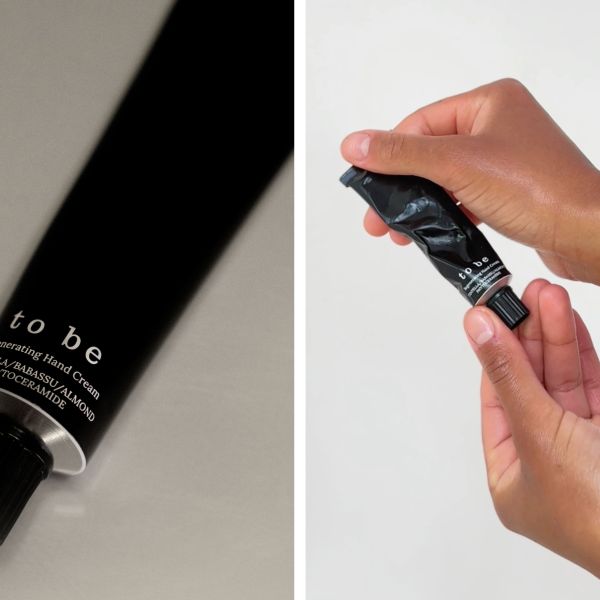
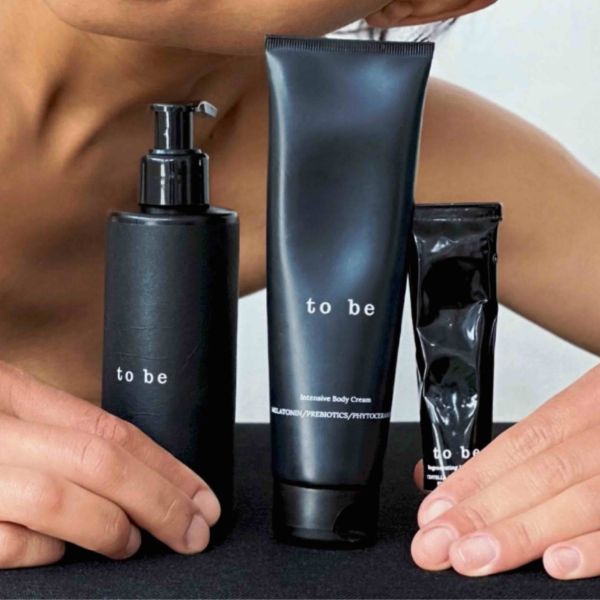
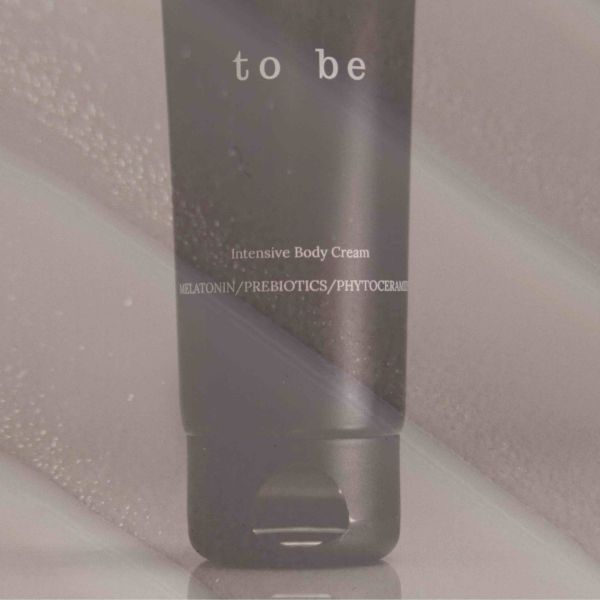
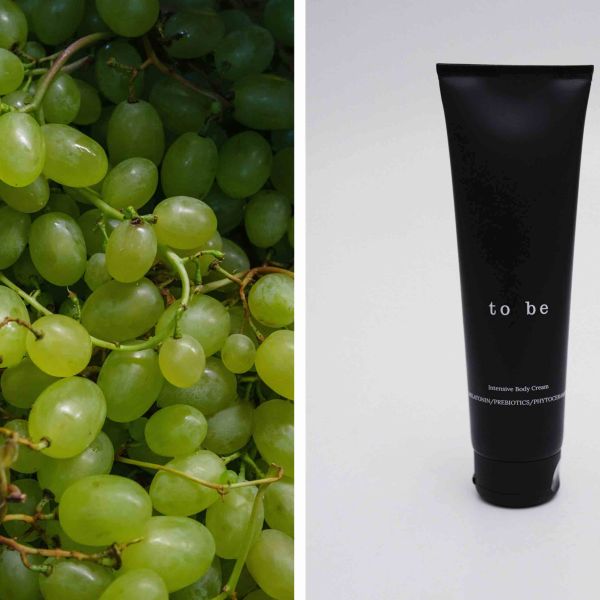
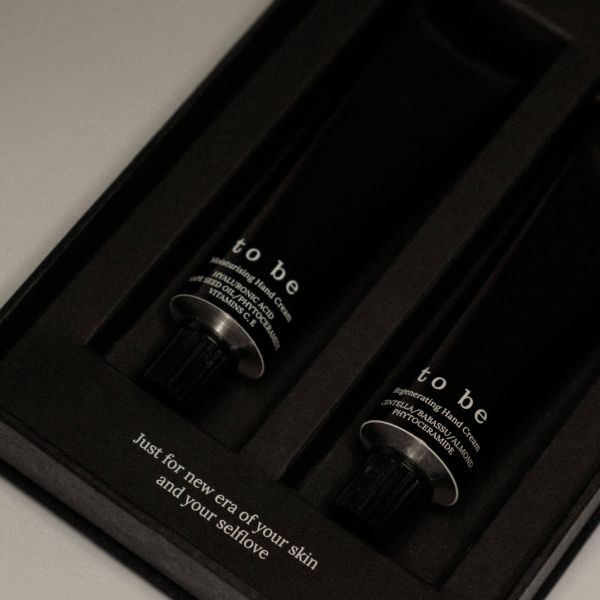
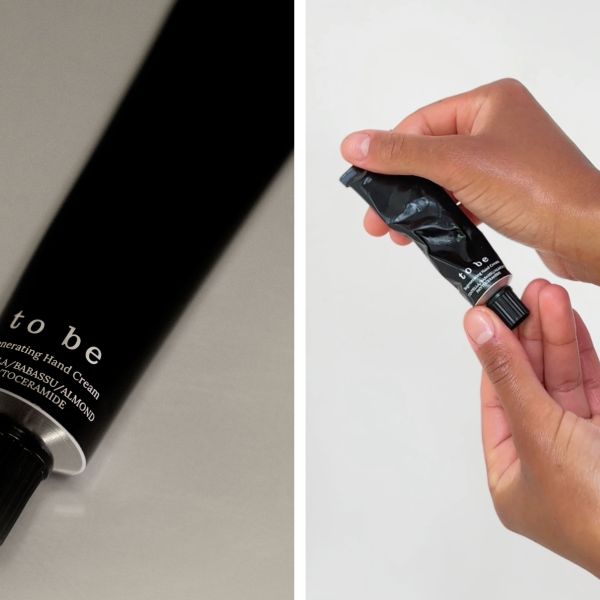
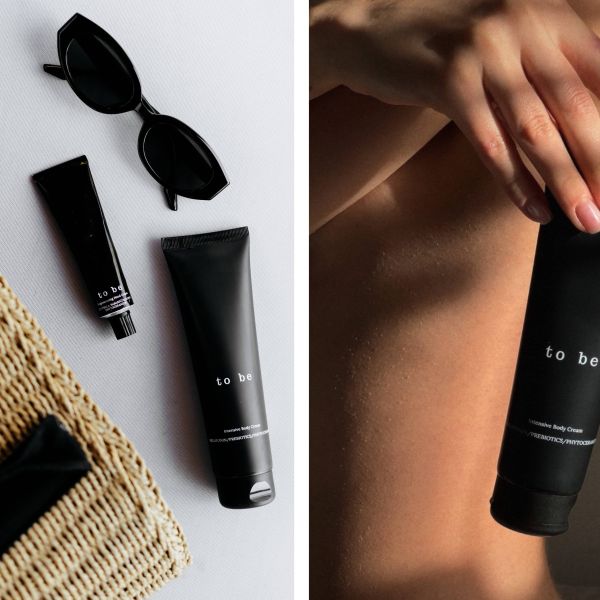
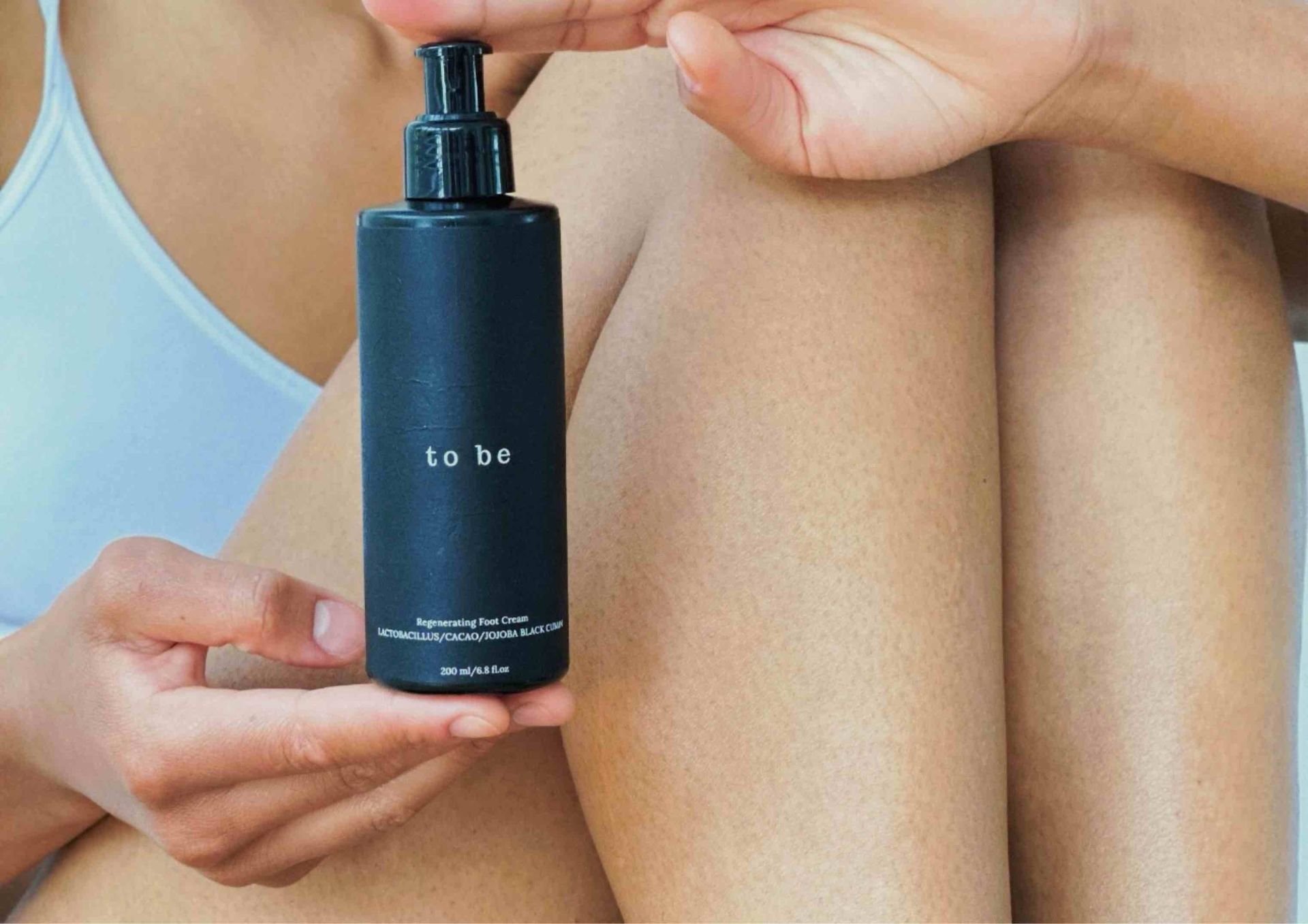
Regenerating Foot Cream with black cumin oil by to be is designed for the daily care of dry feet. Its lamellar formula works in harmony with the skin, while black cumin oil, phytoceramides, and a blend of nourishing ingredients help support the skin’s natural protective barrier, reduce dryness, and keep feet feeling soft and comfortable.
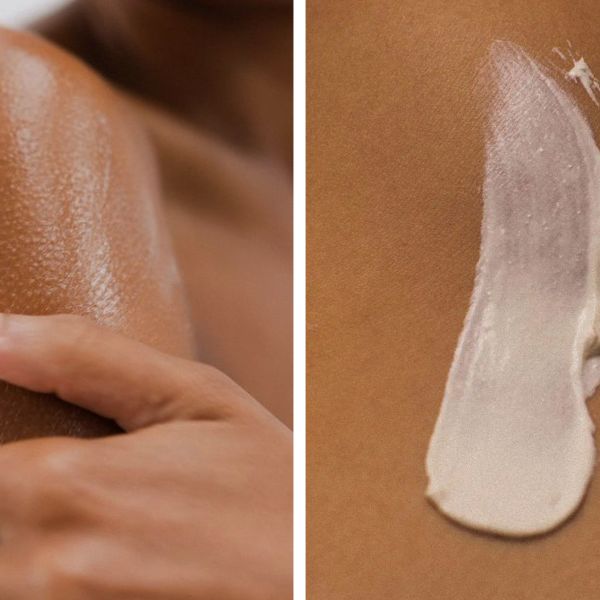
The cream absorbs quickly without leaving a sticky residue, making it easy to incorporate into your everyday routine.
When is the best time to apply foot cream?
For the best results, apply foot cream after a shower or bath while the skin is still slightly damp. At this stage, the skin is more receptive to moisturizing ingredients, and the remaining moisture helps prolong hydration.
If your heels are especially dry, an evening routine can be particularly effective. After applying the cream, put on a pair of lightweight cotton socks to help the nourishing ingredients absorb more efficiently overnight.

Should you use a foot scrub?
Many people believe that effective foot care requires only a pumice stone or a coarse foot file.
In reality, gentle exfoliation can also be beneficial when done regularly and without excessive pressure.
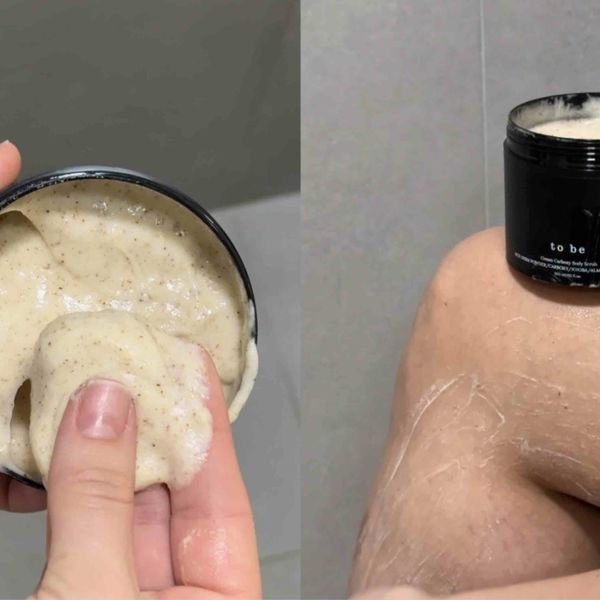
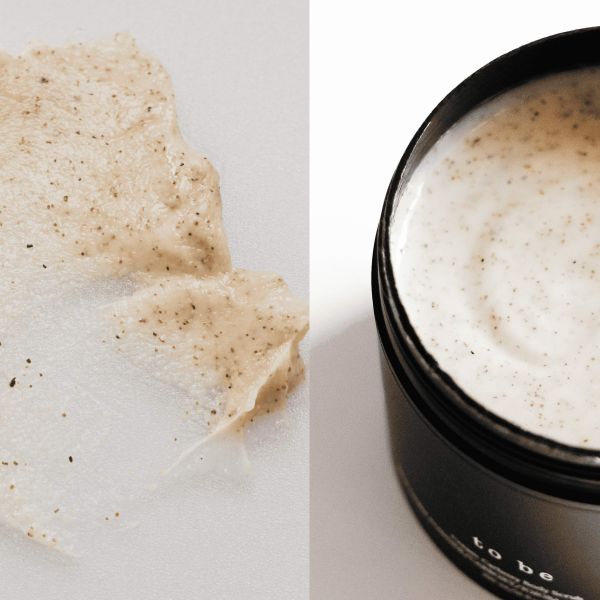
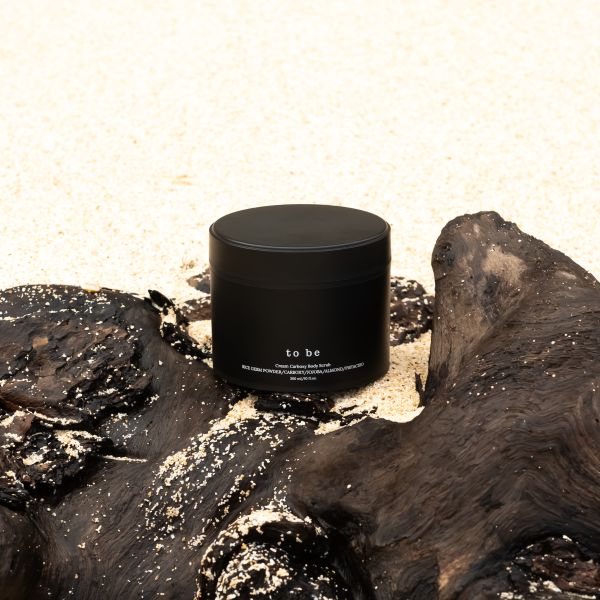
Creamy Carboxy Body Scrub with rice powder by to be can be used not only on the body but also on the feet. It gently exfoliates dead skin cells, helps smooth rough areas, and enhances the effectiveness of your foot cream by allowing moisturizing ingredients to absorb more easily.
When dry heels may indicate an underlying problem
Sometimes, even a consistent skincare routine doesn’t provide the desired results. If heel cracks become deep, painful, start bleeding, or keep recurring despite proper care, it’s a good idea to consult a dermatologist or podiatrist. In some cases, persistent dryness may be linked to an underlying skin condition or certain health issues rather than external factors alone.
Fortunately, in most cases, mild to moderate heel dryness can be effectively managed with a well-designed at-home skincare routine.
Smooth, healthy-looking heels are not the result of aggressive filing—they’re the result of consistent care. Gentle cleansing, regular but mild exfoliation, and daily moisturization help keep the skin on your feet soft and comfortable all year round. Over time, a consistent routine can reduce dryness, help prevent cracks, and support healthier-looking skin.
Share the publication: